Precision Engineering Solutions for Micro-Machining and High-Volume Manufacturing in Victoria
Engineered for high-volume component production across Melbourne's demanding industrial sectors
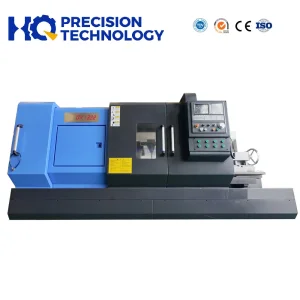
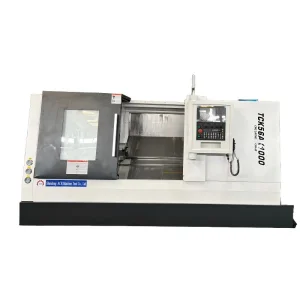
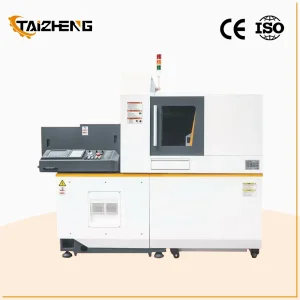
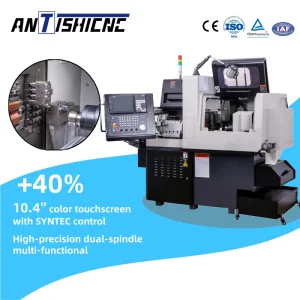
Analyzing local manufacturing transformations and the strategic integration of Swiss-type CNC technologies
Melbourne remains a primary engine of Australian high-value manufacturing. While traditional automotive assembly has transitioned, Victoria has pivoted dramatically toward advanced engineering, defense aerospace, precision medical technology (MedTech), and clean technology. These advanced sectors require extreme machining accuracy, down to sub-micron levels, where traditional tooling configurations fail due to component deflection and limited axes capability.
The micro-machining sector in Melbourne—particularly clustered around the Monash National Employment and Innovation Precinct and Melbourne's northern industrial belt—relies heavily on Swiss-type lathe kinematics. Unlike conventional CNC lathes where the raw material bar stock is held static in a chuck and exposed to lateral cutting forces, a Swiss-type lathe feeds the bar stock through a guide bushing. The cutting tools perform work immediately adjacent to the guide bushing support, completely eliminating material deflection and vibration. This fundamental kinematic advantage makes Swiss-type machining critical for manufacturing components with high length-to-diameter ratios, such as orthopedic bone screws, aerospace connectors, and high-frequency communication pins.
Precision compliance components manufactured under aerospace-grade specifications, ideal for Victoria's growing defense supply chains.
Micro-precision capability designed to turn titanium alloy bone screws and dental implants with complex threading structures without burr formation.
Integrating turning, milling, and cross-drilling cycles simultaneously on sub-spindles for a complete single-setup machining process.
From our 60,000 square meter advanced production facility to Melbourne's workshop floors
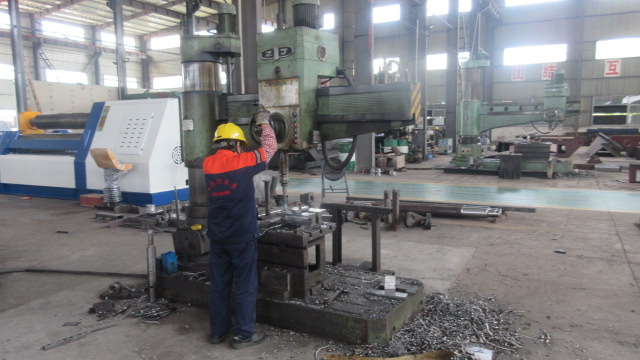
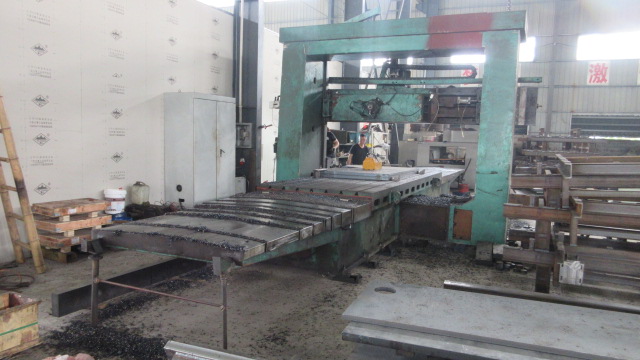
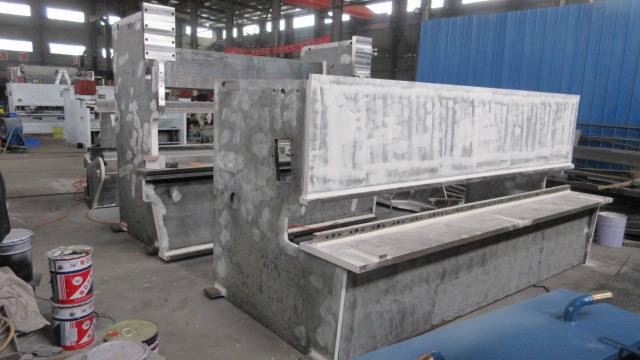
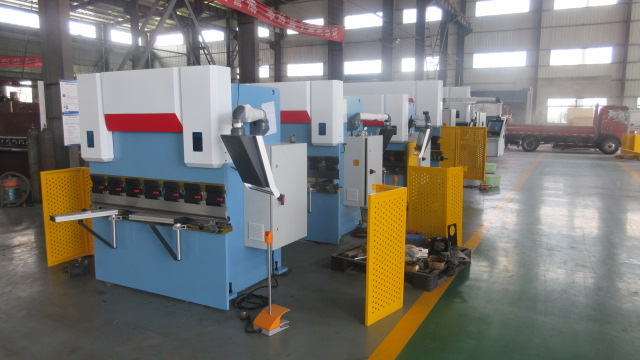
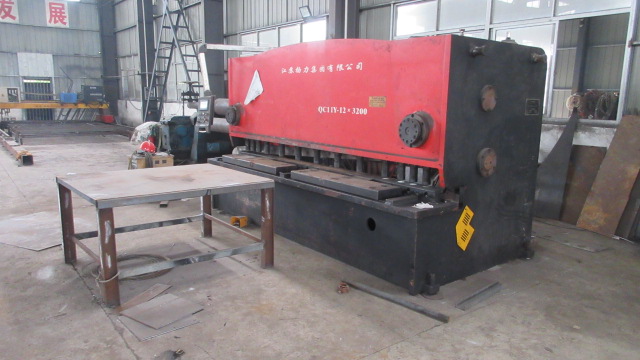
Shandong AcuTek CNC Co., Ltd. stands as a premier CNC machine tool manufacturer globally, operating a modern manufacturing base covering more than 60,000 square meters. By combining automated heavy-machining equipment with strict testing, we guarantee structural stiffness and precision across our Swiss-type lathe solutions. Our factory boasts CNC machining centers, heavy-duty conventional lathes, milling machines, gantry-type grinding units, and radial drilling centers to process and refine the cast iron structural frames of each lathe, guaranteeing decade-long reliability.
AcuTek CNC has developed deep commercial ties and customer support infrastructure internationally. With sales and technical service networks in the United Kingdom, Germany, Poland, Australia, Russia, India, and the United States, our engineers are equipped to resolve setup, integration, and tooling challenges across borders. Every machine tool shipped to Australia undergoes intensive static and dynamic tests, aligning to AS/NZS electrical standards and featuring advanced FANUC or Syntec control configurations.
Expanding precision turning options for specialized industrial manufacturing lines in Melbourne
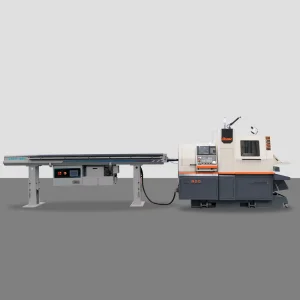
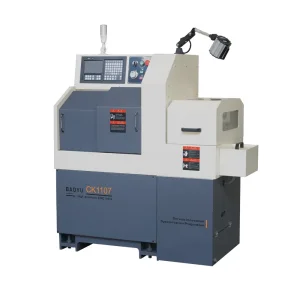
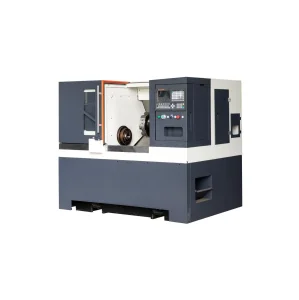
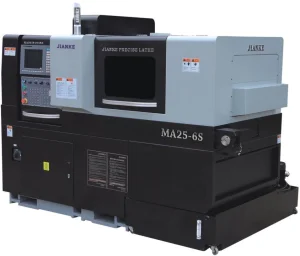
Every machine tool built by AcuTek is subjected to a rigorous fabrication and assembly flow
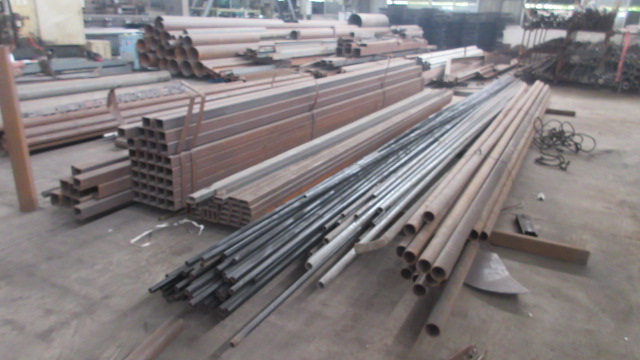
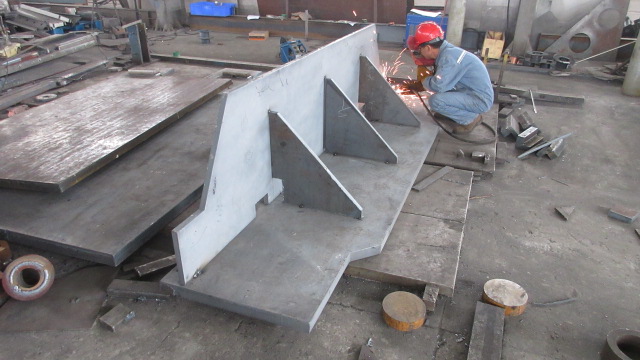
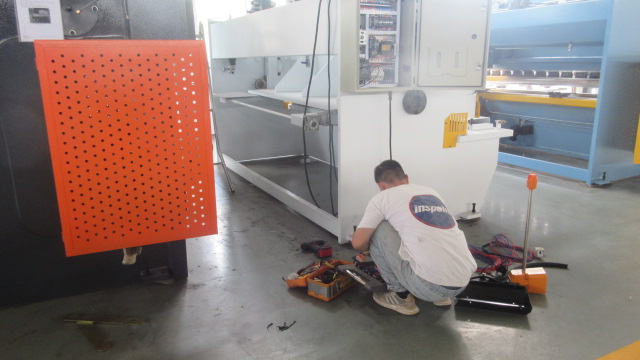
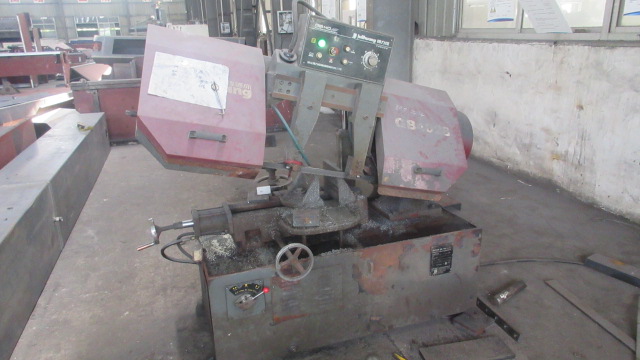
AcuTek CNC's internal production sequence guarantees quality control at every phase of creation. Starting from premium raw materials and cast components, the structure undergoes high-frequency stress-relief heat treatment to prevent dynamic distortion during heavy structural cuts. Precision milling, surface grinding, structural welding, and advanced paint coatings are carried out utilizing high-end machinery to maintain dynamic tolerances for the life of the machine tool.
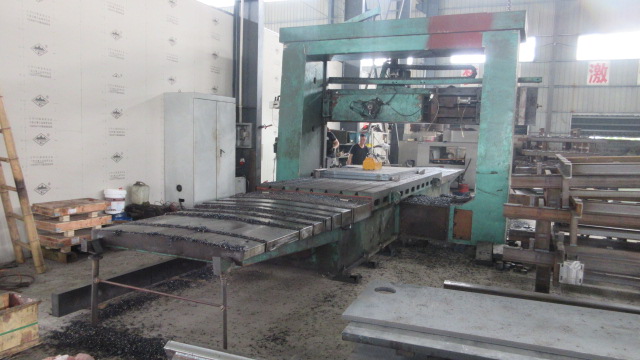
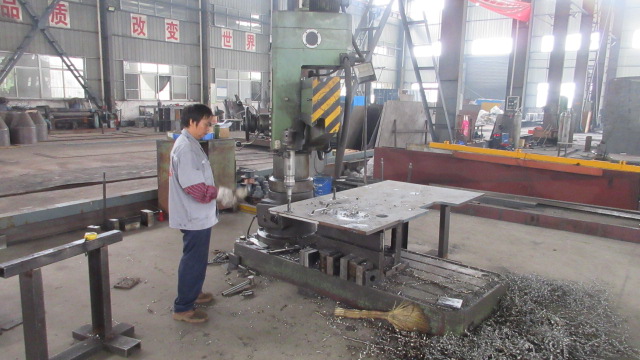
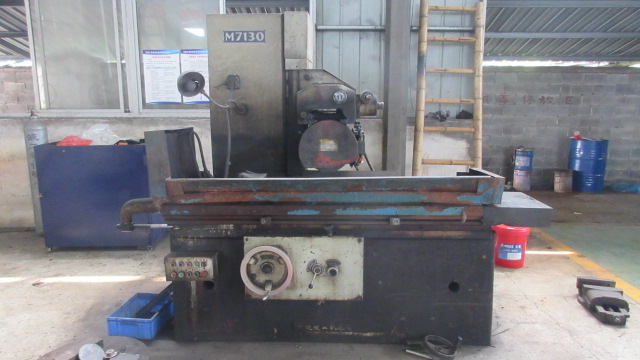
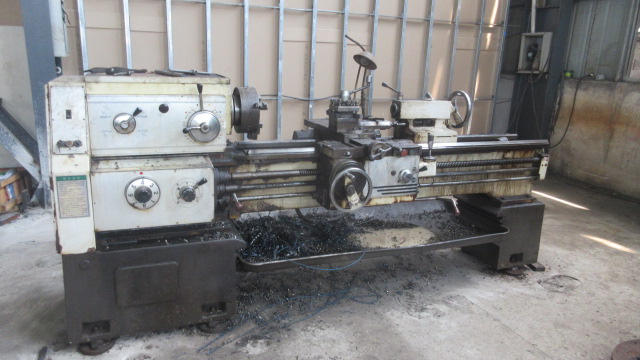
Evaluating the kinematic advantages of sliding headstock lathe structures
When selecting high-precision Swiss-type lathes for Victorian manufacturing hubs, engineering managers must focus on parameters like maximum machining diameter, spindle rotation speed, thermal stability, and multi-axis synchronicity. Swiss machines excel at producing slender shafts and components below 38mm in diameter. Below, we examine the typical structural differences between conventional turning systems and Swiss-type architectures:
| Performance Parameters | Swiss-Type CNC Lathes (Sliding Headstock) | Conventional CNC Lathes (Fixed Headstock) |
|---|---|---|
| Length-to-Diameter Ratio | Capable of 10:1 up to 100:1 without deflection. | Typically limited to 3:1 without tailstock support. |
| Spindle Machining Zone | Immediate vicinity of the guide bushing support. | Varies along the bed length, risking bending. |
| Secondary Processing | Simultaneous sub-spindle milling, drilling, back-working. | Requires secondary operations or high-cost mill-turn. |
| Surface Finish Quality | Sub-micron Ra finishes due to structural rigidity. | Susceptible to chattering on long parts. |
AcuTek CNC ensures all machines delivered to Melbourne workshops meet Australian standards. This includes AS/NZS 3000 wiring compliance, CE certified electrical enclosures, safety lockouts for automated bar feed systems, and compatibility with local three-phase industrial power specifications. Additionally, our 2-year warranty and dedicated 24/7 technical hotline guarantee that manufacturing facilities experience minimal down-time.
Integrating smart technologies to drive structural growth in Melbourne’s industrial corridors
The next evolution in Swiss-type machining is driven by smart sensor integration and real-time kinematic corrections. As Melbourne manufacturers face rising labor costs and competitive global market pressures, the automation of high-precision workshops is no longer optional. Modern production requires unmanned operations—often referred to as "lights-out manufacturing"—enabled by automatic bundle bar feeders, tool wear monitoring systems, and adaptive feed controls.
AcuTek CNC's R&D focus is centered on implementing Industrial Internet of Things (IIoT) protocols across our CNC systems. This includes MTConnect and OPC UA compatibility, allowing workshop managers in Victoria to remotely monitor feed rates, axis vibration, thermal expansion, and tool wear. By employing digital twin technologies, operators can simulate tool paths prior to executing cuts, eliminating collision risks and material waste. Our ongoing engineering efforts aim to further integrate robotic loading arms with Swiss turning stations to manage secondary pick-and-place packaging tasks, ensuring a fully automated production line from raw material feeding to finished components.
Answering complex technical questions on Swiss-type lathe configurations, local delivery, and operations
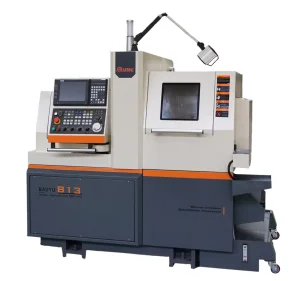
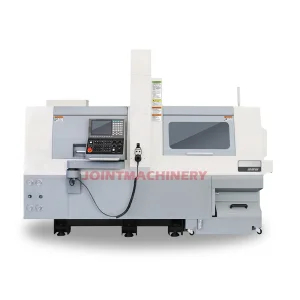
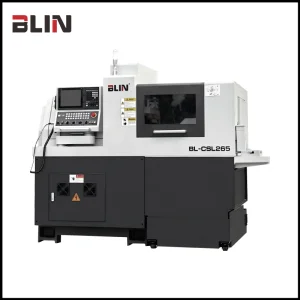
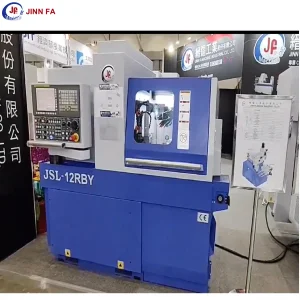
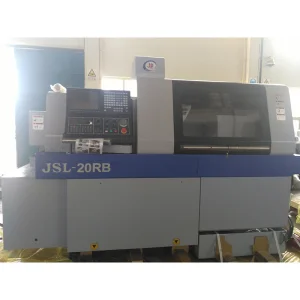
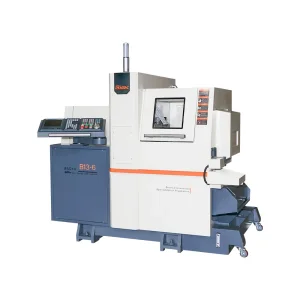
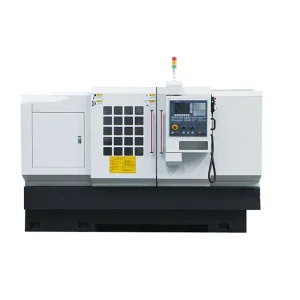
Explore our full line of Swiss machines designed for Melbourne’s precision manufacturing markets
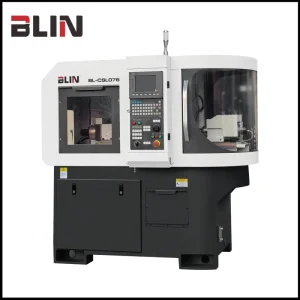
 AcuTek CNC