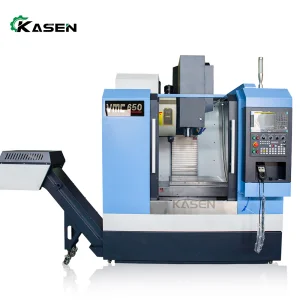
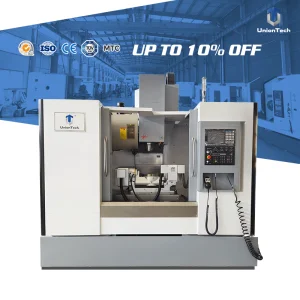
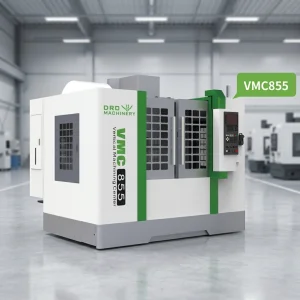
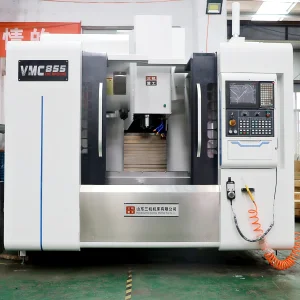
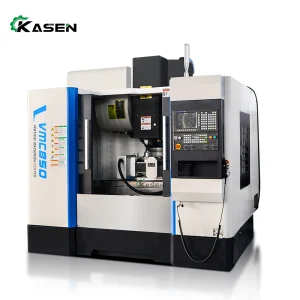
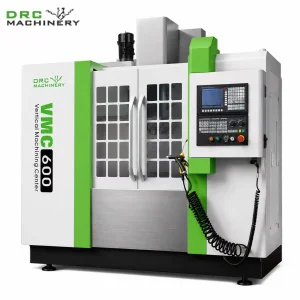
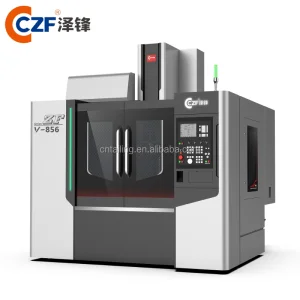
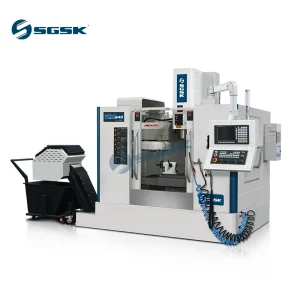
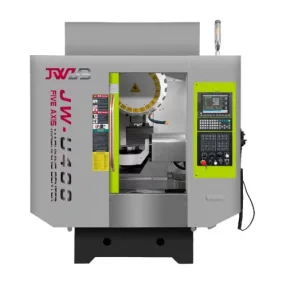
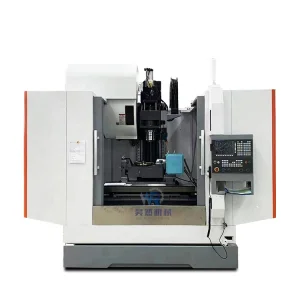
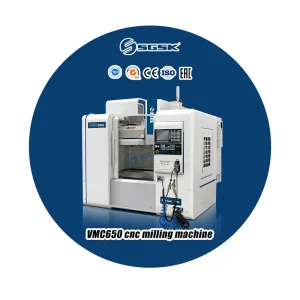
Discover our leading CNC setups designed for structural rigidity, rapid feed rates, and high spatial precision across multi-axis configurations.
“As manufacturing transitions to high-mix, low-volume production, the vertical machining center (VMC) remains the primary workhorse, demanding higher speed, dynamic stiffness, and intelligent control integrations.”
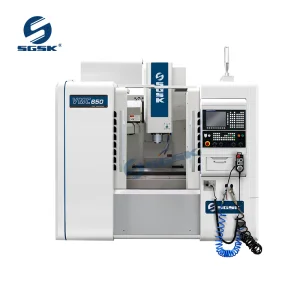
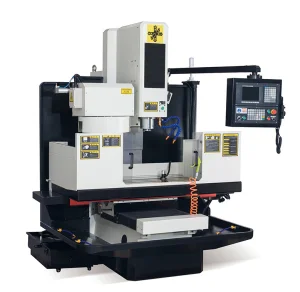
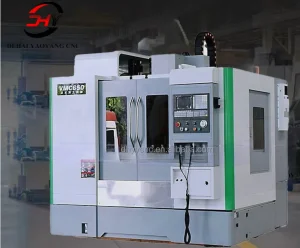
Modern industrial supply chains demand extreme precision and reliability. In sectors such as automotive engineering, commercial aerospace, and medical device manufacturing, tolerance requirements have shrunk from micrometers to sub-micrometers. As a result, Vertical Machining Centers (VMCs) have adapted to feature cast-iron beds, direct-drive spindles, thermal compensation software, and multi-axis configurations (3-axis, 4-axis, and 5-axis systems).
These advanced machines minimize setup times and maximize machining throughput. By employing a vertical spindle orientation, raw castings and plates can be securely clamped with minimal deformation risk, allowing gravity to assist in chip evacuation. Whether milling high-grade aerospace aluminum alloys or heavy automotive cast irons, the structural stability of the machine frame dictates surface quality, tool lifetime, and manufacturing yield.
Global production environments face volatile supply chains and rising labor costs. Successful manufacturers must implement robust automation solutions that integrate directly with computer-aided manufacturing (CAM) suites. To meet these challenges, our VMCs are built with standard components, including Japanese Fanuc and Mitsubishi controllers, alongside high-performance European Siemens systems and domestic GSK controls.
Furthermore, structural designs must resist resonance during high-feed, multi-axis simultaneous milling. Through Finite Element Analysis (FEA), the mechanical distribution of structural ribs and mass is optimized, helping ensure that high acceleration/deceleration rates do not translate into surface finish imperfections. This balance of rigid mechanical design and digital control integration allows for high reliability throughout long-run production campaigns.
Shandong AcuTek CNC Co., Ltd. combines specialized design expertise with modern production facilities to deliver reliable vertical machining centers worldwide.
Shandong AcuTek CNC Co., Ltd. is a professional CNC machine tool manufacturer with its own modern production facility covering an area of over 60,000 square meters. The company is dedicated to the design, manufacturing, and global supply of high-performance CNC equipment, supported by strong engineering capability and advanced production resources.
The factory is equipped with a full range of precision manufacturing and processing equipment, including CNC machining centers, CNC lathes, conventional lathes, milling machines, gantry-type CNC machining centers, grinding machines, and radial drilling machines. With a strict quality control system in place, the company ensures high precision, stable performance, and long service life across all product lines.
The product portfolio includes CNC machining centers, CNC lathes, conventional machine tools, milling machines, gantry machining centers, grinding machines, and drilling machines. These machines are widely used in automotive parts manufacturing, mold processing, machinery production, and general industrial applications.
Shandong AcuTek CNC Co., Ltd. has developed a strong international presence, with its products exported to Russia, India, South Africa, Vietnam, Peru, the United States, and other countries and regions. To enhance global service capabilities, the company has established sales and after-sales service networks in the United Kingdom, Germany, Poland, Australia, and several other countries, with its international support system continuing to expand.
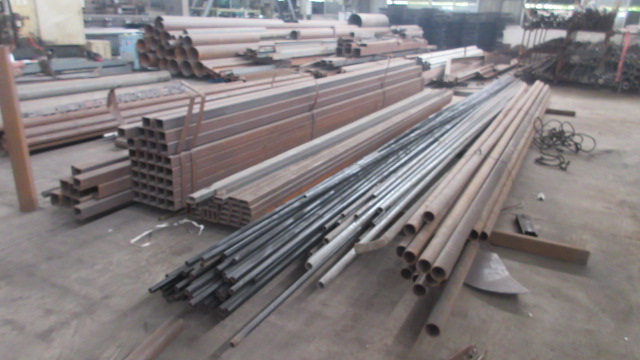
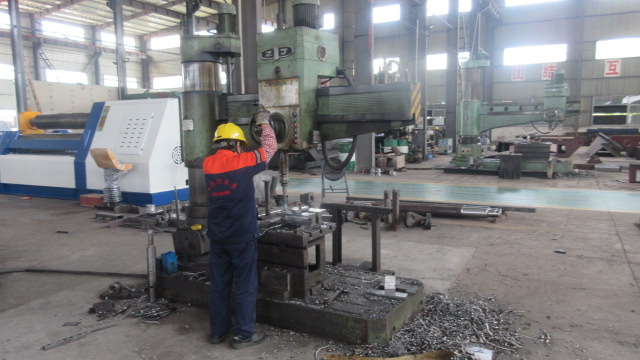
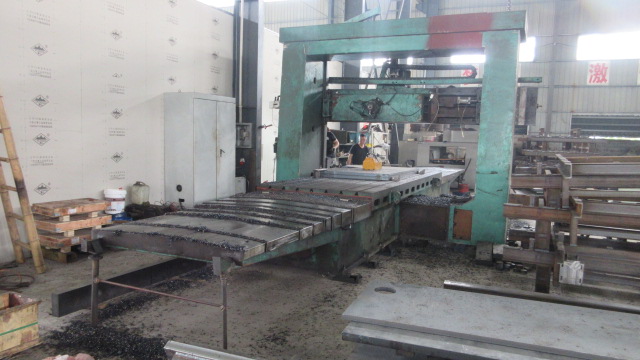
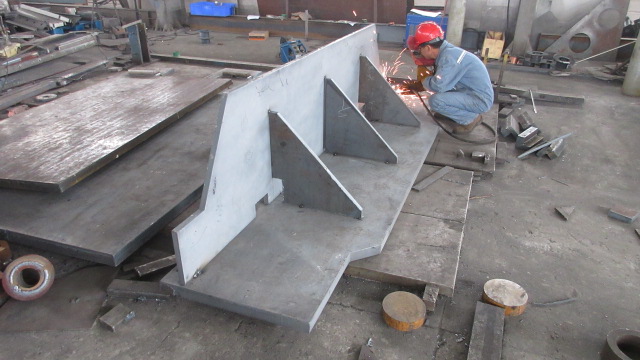
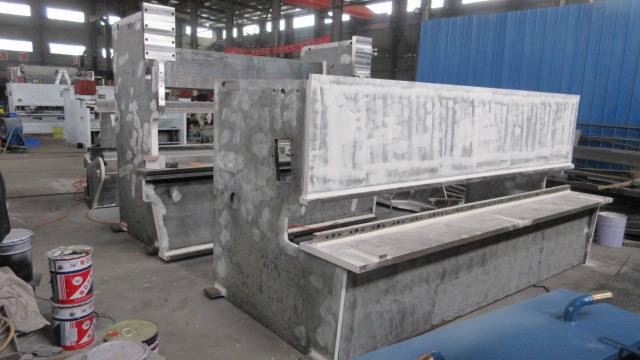
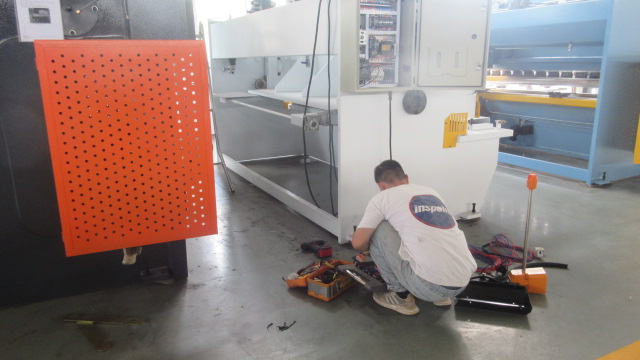
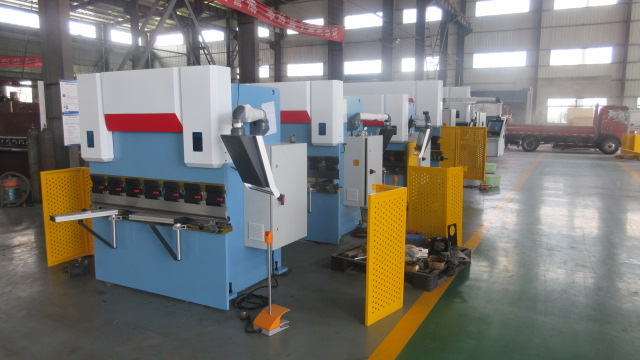
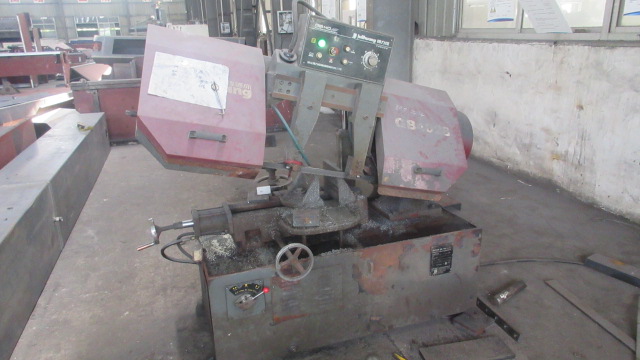
Our facility employs heavy industrial machinery to maintain tight tolerances and ensure structural longevity across all product classes.
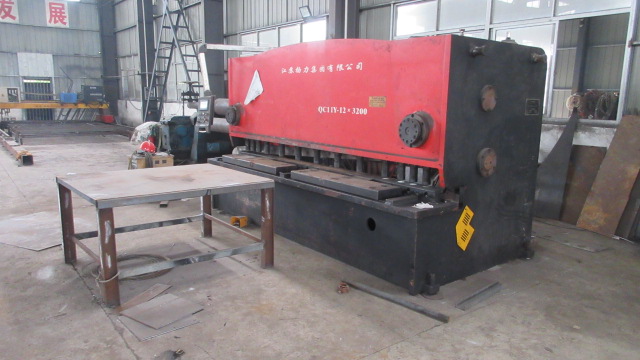
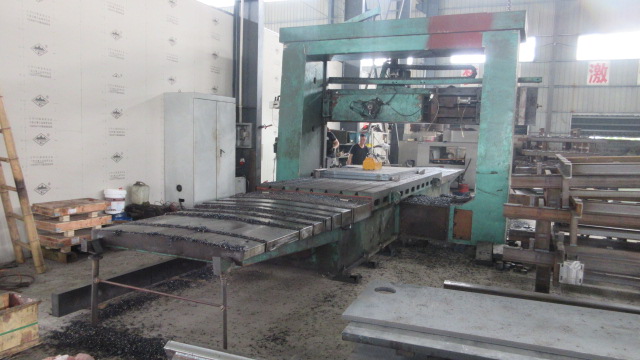
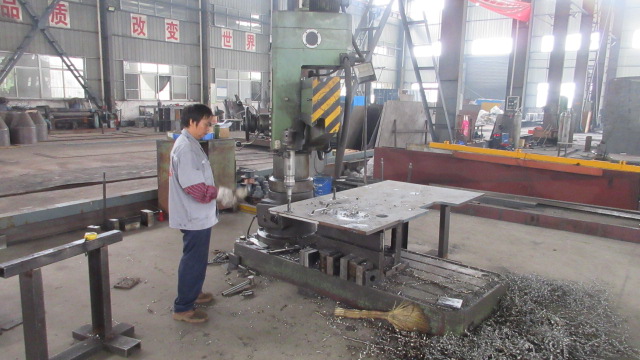
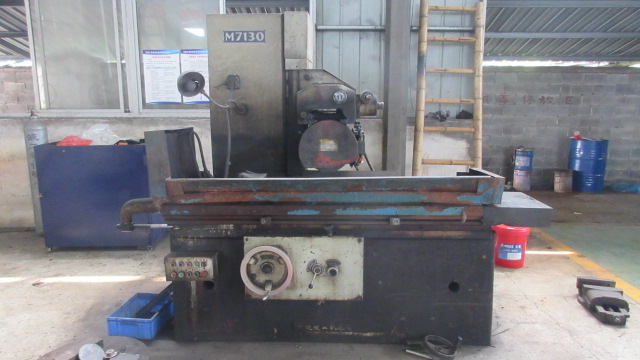
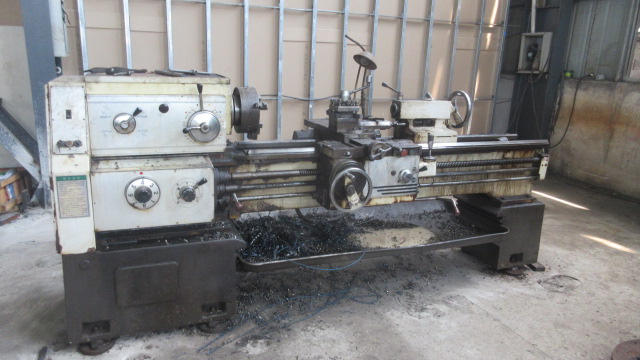
Developing tailored setups that meet the unique mechanical demands, volume targets, and tolerances of global markets.
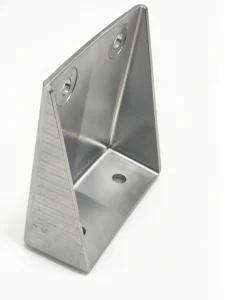
Optimized for processing cylinder heads, transmission casings, bracket assemblies, and specialized electric vehicle (EV) battery trays. High-speed BT40/BT50 spindles provide quick cycle times for high-volume automotive production lines.
Capable of processing tough materials like titanium alloys, stainless steels, and carbon fiber reinforced structures. Our 5-axis vertical machining configurations deliver the geometric accuracy required for structural aerospace parts.
Delivers the surface finishes and geometric tolerances needed for mold cavities and complex stamping dies. Our machines feature integrated cooling jackets to manage thermal expansion during extended runs.
Provides precise machining for lightweight aluminum arm linkages, rotor mounts, and drone camera gimbals. High-speed spindle units allow for rapid machining of thin-walled aluminum components.
Processes biocompatible materials such as PEEK, titanium, and medical-grade stainless steel. Engineered for orthopedic implants, surgical tools, and analytical equipment casings that require high surface finish quality.
Processes copper busbars, heavy heat sinks, and weather-proof cast aluminum control enclosures. Our VMCs help ensure consistent dimensional accuracy for outdoor assemblies and electrical components.
Many of the company’s products have obtained relevant international certifications, ensuring compliance with different market standards and customer requirements. At the same time, the company places great importance on customer service, offering 24/7 technical support and a 2-year warranty on all machines, ensuring reliable operation and timely assistance throughout the product lifecycle.
To support operations globally, AcuTek maintains service networks across the United Kingdom, Germany, Poland, Australia, and other regional hubs. Our field application engineers assist with startup commissioning, control system optimization, and operator training to help you maximize your equipment investment.
Every vertical machining center undergoes standard testing before leaving our facility, including:
How AcuTek is evolving its machinery design to integrate with intelligent networks and dynamic sensor feedback.
Integrating real-time thermal sensors into machine castings to feed temperature data back to the CNC controller, allowing for automatic adjustments to offset heat expansion.
Deploying vibration sensors on main spindles and linear guide axes. Machine learning models analyze this data to predict tool and bearing wear, helping schedule maintenance before failures occur.
Integrating secondary operations, such as laser cladding and post-process measurement probes, directly into the VMC tool envelope to enable complete processing in a single clamping setup.
Answers to common engineering questions regarding VMC configuration, controller compatibility, and structural options.
Browse our full range of CNC vertical milling machines, including 3-axis, 4-axis, and 5-axis systems configured for a variety of metalworking requirements.
 AcuTek CNC