Explore our top-tier multi-axis and high-speed CNC milling systems, engineered to deliver micron-level repeatability and robust performance in high-demand industrial applications.
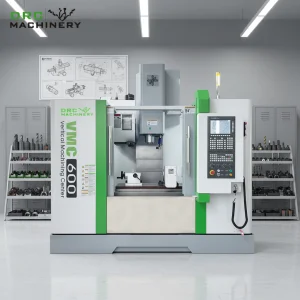
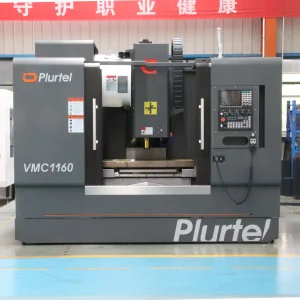
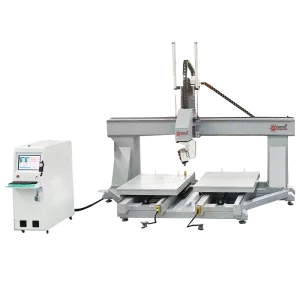
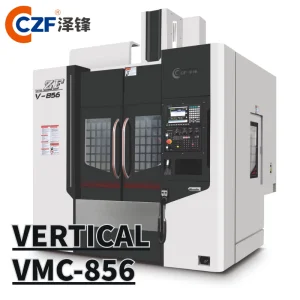
A comprehensive analysis of manufacturing evolution, structural paradigms, and technological roadmaps in high-speed subtractive manufacturing.
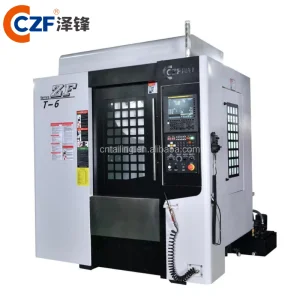
The global manufacturing sector is undergoing an unprecedented shift toward high-speed CNC milling (HSM). Modern production dynamics demand shorter cycle times, exceptional surface finishes, and the ability to process challenging materials like titanium alloys and hardened steel. Historically, machining focused on high-depth, low-feed rates. Today, HSM leverages low-depth, high-feed rate strategies utilizing high-speed spindles (often exceeding 20,000 RPM, as seen in our T6 model) to significantly increase productivity while reducing thermal deformation.
By operating at cutting speeds higher than traditional limits—often by a factor of 5 to 10—factories are able to reduce cutting forces. This minimises tool deflection and allows for the fabrication of complex thin-walled parts, crucial in modern aerospace structures and advanced consumer electronics.
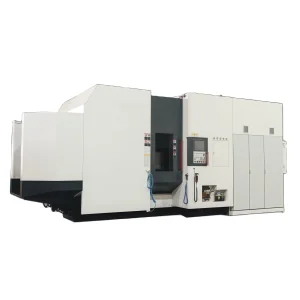
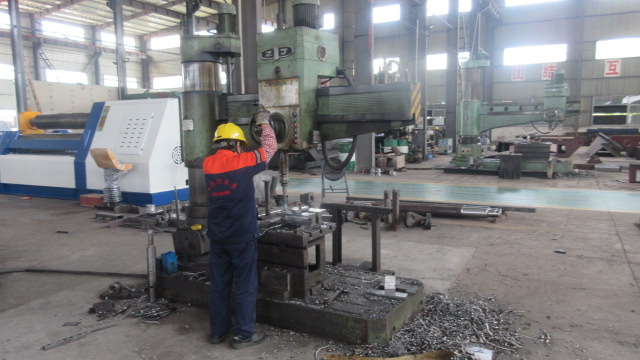
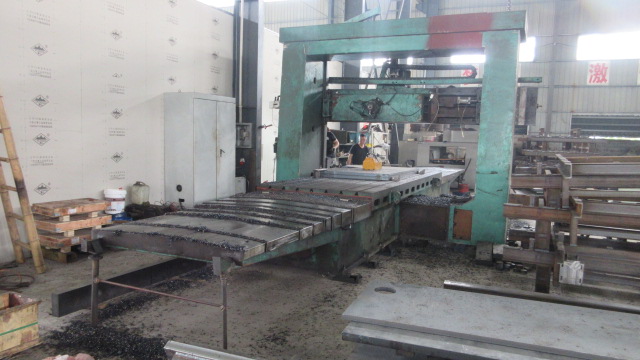
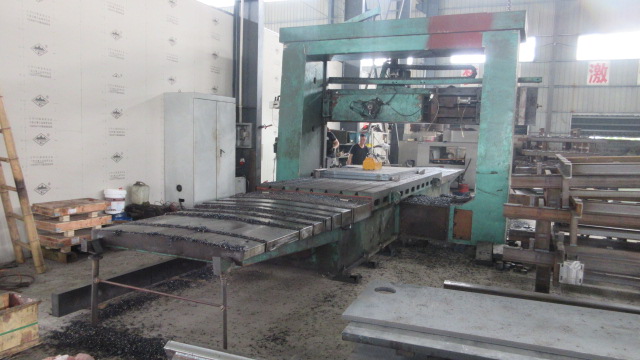
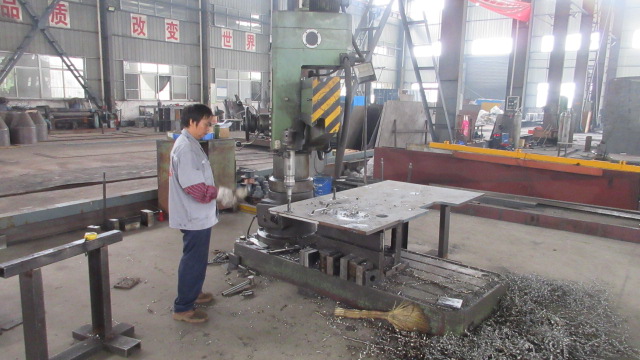
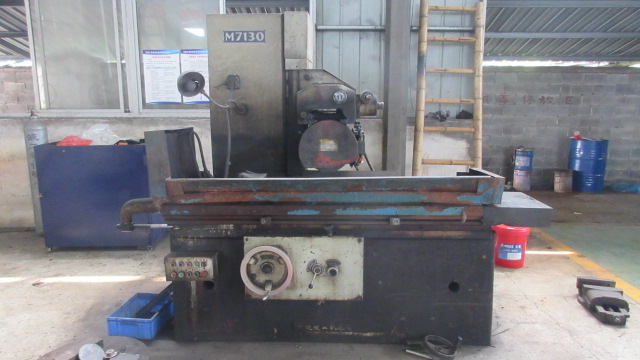
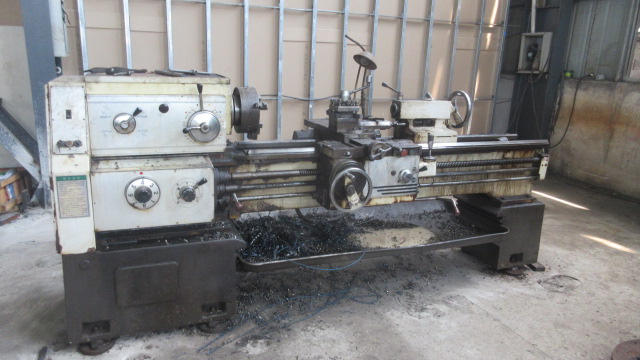
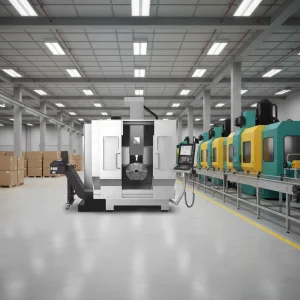
As a leading force among high-speed CNC milling machine factories, Shandong AcuTek CNC Co., Ltd. operates a modern production facility spanning over 60,000 square meters. Our infrastructure features an advanced lineup of manufacturing and machining centers, CNC lathes, conventional lathes, grinding machines, radial drills, and heavy-duty gantry-type milling machines.
By integrating strict quality control protocols at every point in our supply chain, we deliver long-term reliability and volumetric accuracy across all machine lines. Our engineering capability supports both mass-production setups and bespoke customization requests, serving industries worldwide.
When auditing a CNC machine factory, look beyond spindle speeds. Evaluate the structural static/dynamic stiffness (FEM optimized cast-iron frames), thermal dissipation design, and the integration level of regional control protocols (e.g., Fanuc, Siemens, Syntec, Mitsubishi). Choosing a manufacturing partner with localized service networks prevents downtime and guarantees immediate spare parts dispatch.
High-speed milling requires robust engineering across multiple components. The structure starts with the machine bed, typically cast from high-density, stress-relieved Meehanite iron, ensuring dampening of vibrations at high frequencies. Spindle systems must feature high dynamic balancing and direct-drive or built-in motor design to eliminate transmission errors.
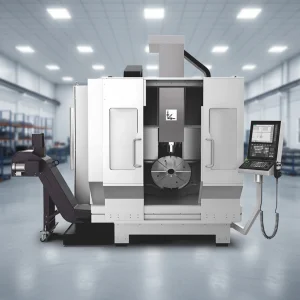
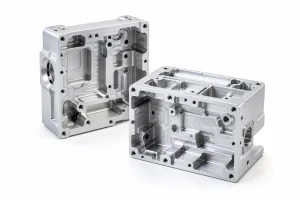
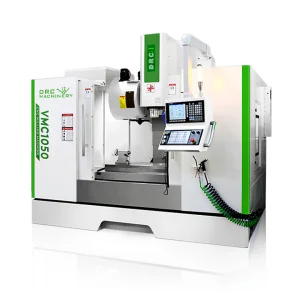
For instance, multi-axis machining centers (such as our 5-Axis VMC1050 or the compact 5-Axis turning-milling hybrids) allow single-setup machining of complex geometries. This eliminates cumulative errors associated with multiple setups, maximizing manufacturing yields for complex housings (such as Aluminum 7075 automation enclosures) and titanium components.
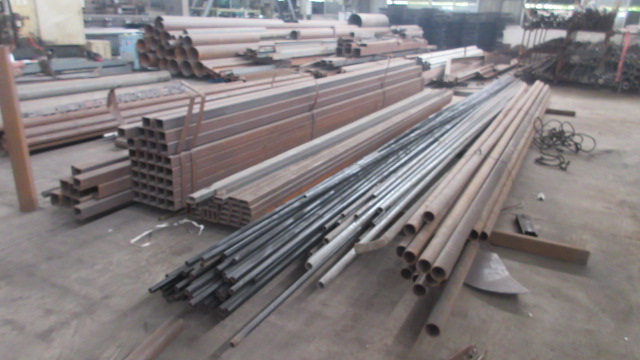
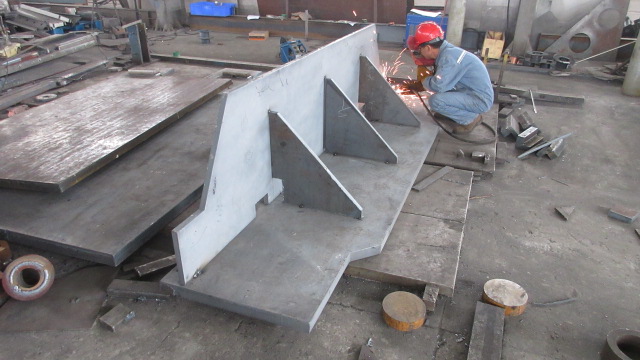
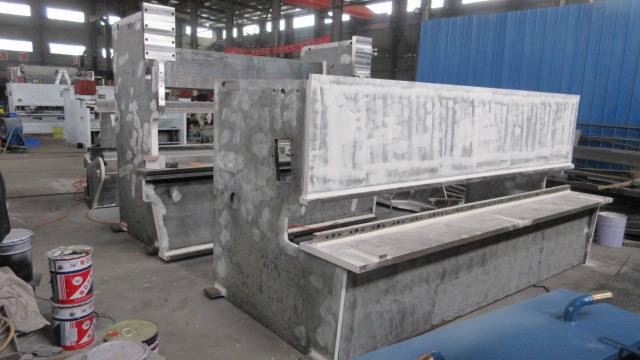
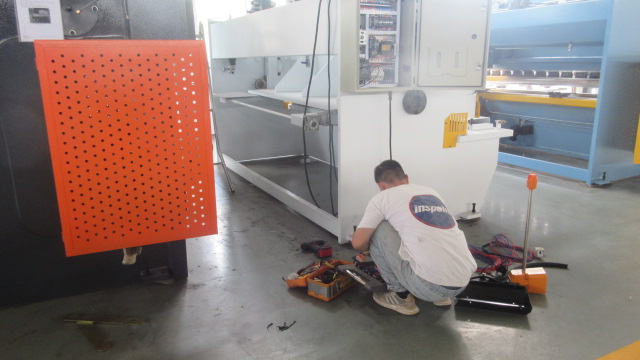
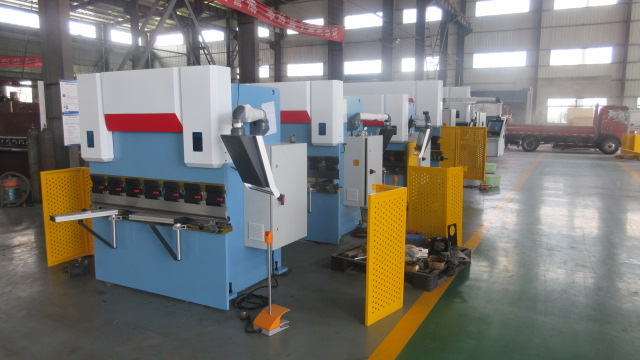
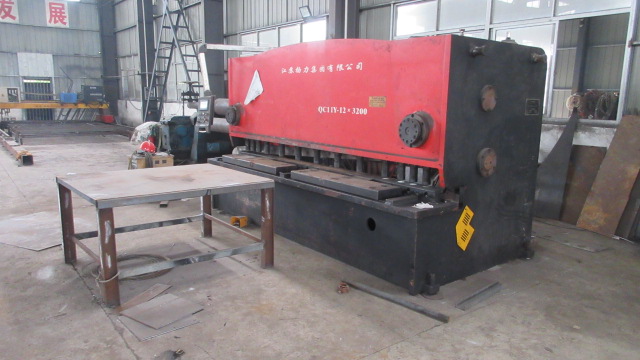
A step-by-step visual demonstration of our internal processing capabilities, quality control, and machining machinery within our 60,000+ SQM plant.
Bridging Chinese manufacturing capability with Western precision standards and regional technical services.
AcuTek products conform to international quality certifications, including CE and ISO compliance. This guarantees that electrical architectures, enclosure interlocks, and emergency stop systems comply with stringent regional safety directives in the EU, Americas, and Asia-Pacific.
We operate sales and service networks in the United Kingdom, Germany, Poland, Australia, and other key countries. Local technicians are trained to handle spindle calibration, machine level adjustments, and control system configuration updates.
To ensure plant operation, all machines are backed by a comprehensive 2-year warranty covering electrical and mechanical components. Technical support engineers are available 24/7 to resolve problems, diagnostic tasks, and coordinate replacement parts.
A look into the next five years of advanced CNC technologies, including AI integration, thermal compensation, and energy-efficient machining.
The future of high-speed CNC milling lies in cyber-physical systems that integrate cloud diagnostics with real-time hardware status. AcuTek is actively researching AI-based tool wear monitoring and predictive vibration control. By embedding multiple high-frequency accelerometers within the spindle housing, the controller can automatically adjust feed rates when tool wear or resonance is detected.
Thermal displacement has always been a limitation in achieving consistent dimensional accuracy during long production runs. Our development team is working on adaptive thermal compensation algorithms, where real-time temperatures at the ball screw, guide rails, and spindle cartridge are used to dynamically offset axis coordinates in the CNC controller.
As environmental standards tighten globally, energy efficiency is a key consideration. Future CNC milling centers from AcuTek will feature regenerative drive systems that convert deceleration energy back into electricity, lowering overall plant power consumption.
Furthermore, the integration of Minimum Quantity Lubrication (MQL) systems is a key part of our product roadmap. MQL eliminates the need for large flood-coolant systems, significantly reducing chemical waste and minimizing the clean-up process for machined components like medical devices and automation housings.
Get answers to technical and logistical questions about high-speed CNC milling and factory operations.
High-Speed CNC Milling relies on higher rotational speeds and faster feed rates to remove material efficiently while reducing cutting force. Conventional milling typically relies on high depth of cut and slower feed rates, which generate more heat and tool deflection. High-speed systems maintain lower cutting zone temperatures because heat is carried away in the chips, making them ideal for thin-walled parts, medical devices, and complex aerodynamic shapes.
Our products support leading industrial CNC controllers, including Fanuc, Siemens, Syntec, and Mitsubishi systems. Depending on the machine model—such as the VMC856, T6, or VMC650—you can customize your order to feature the interface and control protocols that match your factory floor standards.
Our factory employs comprehensive quality assurance programs, starting with FEM (Finite Element Method) analysis during the machine design phase. Structural castings are stress-relieved to prevent distortion. Critical assemblies undergo laser interferometer calibration, ball-bar circularity testing, and dynamic spindle balancing to ensure tight tolerances over long periods of operation.
We export globally to regions including the US, Russia, India, South Africa, Peru, and Vietnam. Our international support structure includes service networks in the UK, Germany, Poland, and Australia, ensuring local assistance is available. Every machine comes with a 2-year warranty and access to 24/7 technical support.
Explore our high-speed vertical machining centers and compact CNC routers, built for industrial manufacturing, drilling, tapping, and prototyping.
 AcuTek CNC