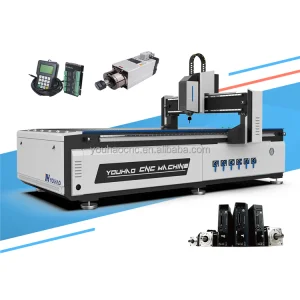
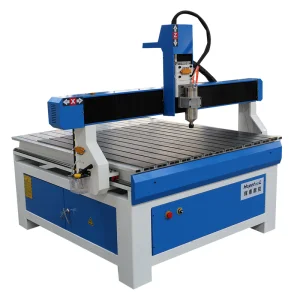
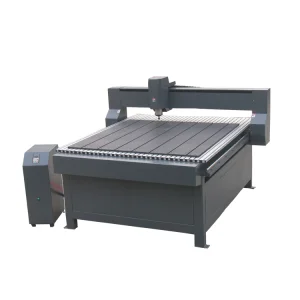
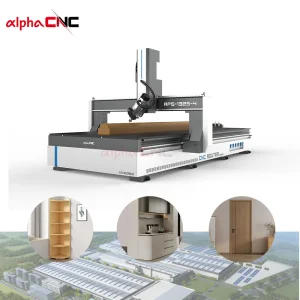
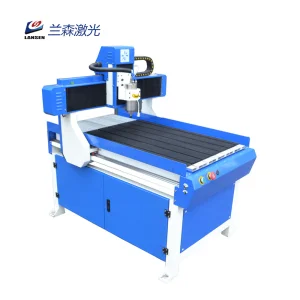
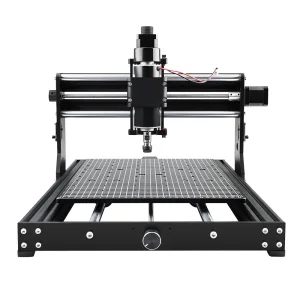
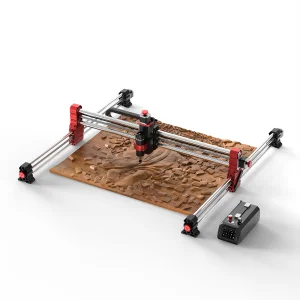
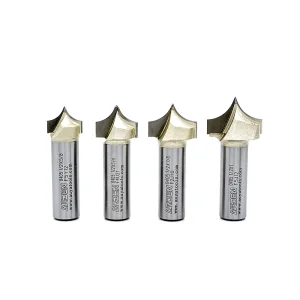
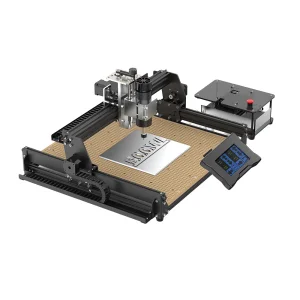
Desktop CNC Router Exporter & Exporters

Precision Engineering, Global Supply Chain Resiliency & Industrial-Grade Micro-Machining Solutions

Introduction to Global Desktop CNC Router Exporting

The global manufacturing landscape is undergoing a massive shift towards decentralization, precision manufacturing, and rapid prototyping. In this shifting paradigm, desktop CNC routers have emerged as critical infrastructure tools, bridging the gap between high-overhead industrial centers and flexible, local production cells. No longer regarded as simple hobbyist tools, modern desktop CNC machines deliver mechanical rigidity, micron-level positional repeatability, and versatile material handling capacities once restricted to heavy industrial portals.

As a leading, globally recognized desktop CNC router exporter, Shandong AcuTek CNC Co., Ltd. leverages a highly optimized modern production facility spanning over 60,000 square meters. We stand at the forefront of engineering innovation, design, and reliable worldwide supply chains. This analytical document serves as an industry whitepaper, exploring the technical advancements, localized application scenarios, and structural supply chain advantages that define AcuTek CNC's global dominance in CNC machine manufacturing.

What is Search Intent in Desktop CNC Purchasing?

Procurement engineers and industrial buyers search for "Desktop CNC Router Exporter" not simply to find a trader, but to connect directly with a certified manufacturer capable of delivering mechanical consistency, CE/UL/FCC compliance, customized spindle and drive combinations, and robust global warranty programs.

Technical Specifications & Structural Integrity

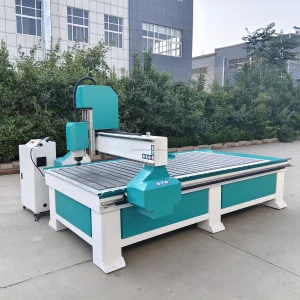
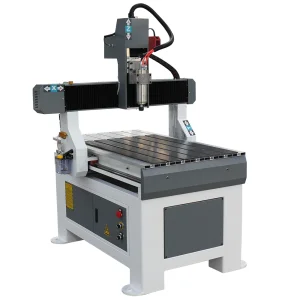
The mechanical reliability of desktop CNC routers is determined by their frame construction and mechanical drive assemblies. Standard commercial options rely on lightweight aluminum t-slot profiles, which are prone to deflection under high transverse loads. AcuTek CNC machines utilize heavy-duty cast iron beds or stress-relieved, thick-walled aluminum castings. This eliminates harmonic vibration, ensuring high surface finishes during high-feed rate operations on non-ferrous metals like aluminum and brass.

For drive transmission, we implement high-precision ball screw mechanisms (such as C7 grade ball screws) on all three linear axes (X, Y, and Z) rather than lead screws or belts. This minimizes backlash, resulting in positional accuracies of less than 0.02mm. Spindle options range from air-cooled 1.5kW units for quiet wood and acrylic machining to high-performance 3.2kW water-cooled, VFD-driven spindles running at speeds up to 24,000 RPM, permitting smooth cutting profiles on complex structural components.

Specification Feature Standard Entry-Level Models AcuTek Industrial Desktop Range
Frame Construction Thin aluminum extrusions Heavy cast iron / stress-relieved thick steel plate
Drive Mechanism T8 Lead screw / Timing belts High-precision C7/C5 Ball screws & linear rails
Spindle Output Power 300W - 800W DC 1.5kW to 3.2kW High-speed AC induction spindles
Repeatability / Tolerance ±0.1 mm ≤ ±0.02 mm (Closed-loop options available)
Control Systems Basic GRBL / USB controller Professional DSP / Mach3 / Offline Handheld controllers

Localized Applications & Industry Integration

Across international markets, localized demands dictate the operational profiles of imported desktop CNC equipment. Our engineering department designs systems to fit into these diverse regulatory, geographic, and technological environments:

  • North America & Western Europe (Prototyping & Maker Laboratories): High demands for offline USB control, emergency stops, integrated safety enclosures, and strict compliance with European CE directives and US FCC electromagnetic compatibility parameters. Typical applications include micro-fluidics research, custom instrument panel etching, and high-detail composite molding.
  • Southeast Asia & India (Light Industrial Manufacturing & Signage): Emphasis on 24/7 continuous operation, ease of maintenance, and compatibility with dust collection systems. Here, machines like our 6090 and 1212 configurations are heavily utilized for routing wooden signage, custom acrylic panel fabrication, and routing copper PCBs.
  • Latin America & Eastern Europe (Localized Craftsmanship & Architectural Elements): Used primarily for high-density MDF cutting, detailed wood reliefs, furniture components, and localized restoration works requiring robust 3-axis and 4-axis indexing heads.

Supply Chain Resilience: Inside the AcuTek 60,000 sqm Facility

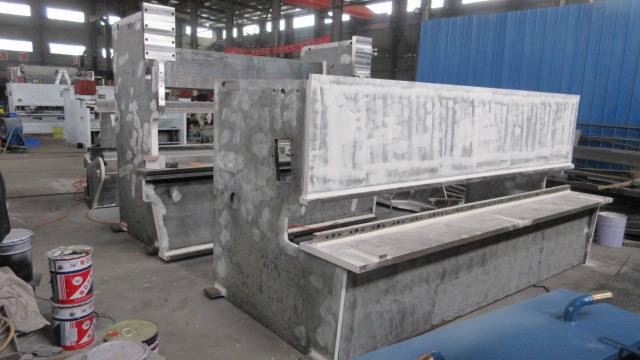
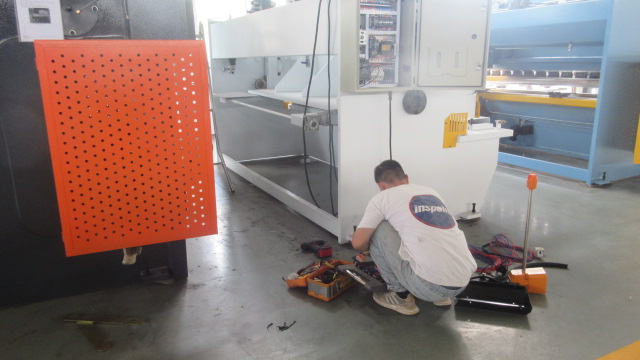
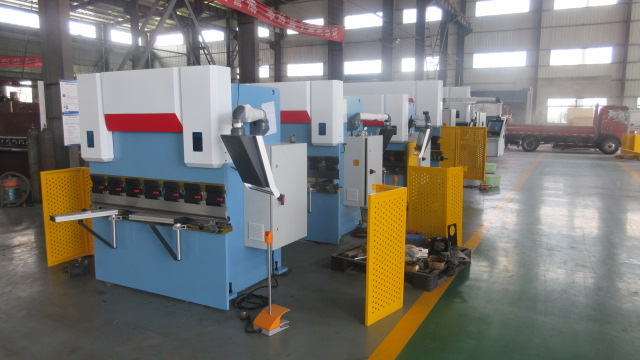
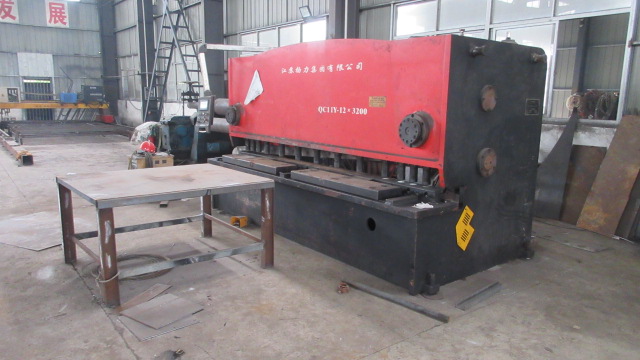
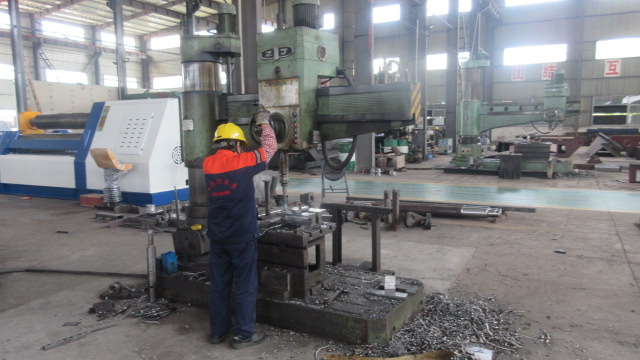
The global supply of industrial machinery has been volatile, making supply chain resilience a core competitive parameter. Shandong AcuTek CNC Co., Ltd. addresses this issue through our vertically integrated production facility. Covering a modern footprint of over 60,000 square meters, our facility manages the entire production cycle under one roof.

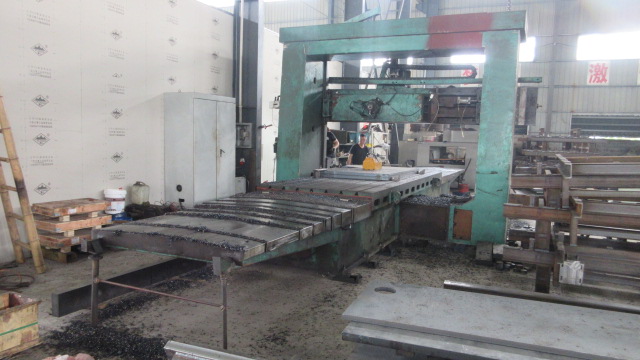
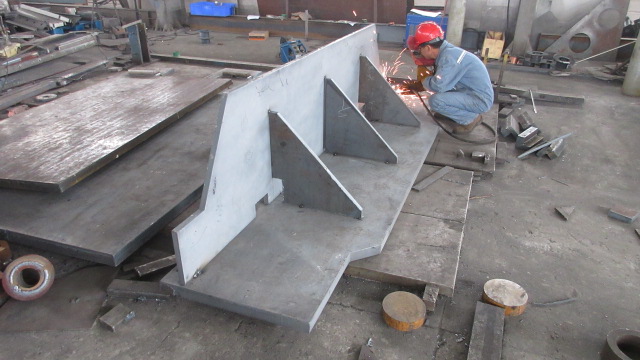
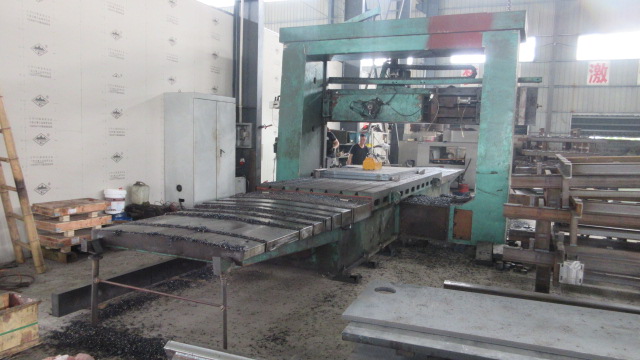
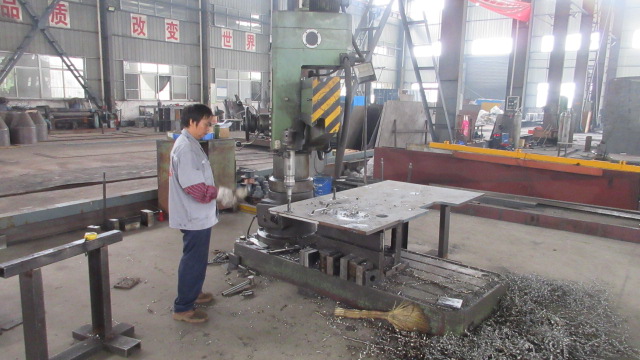
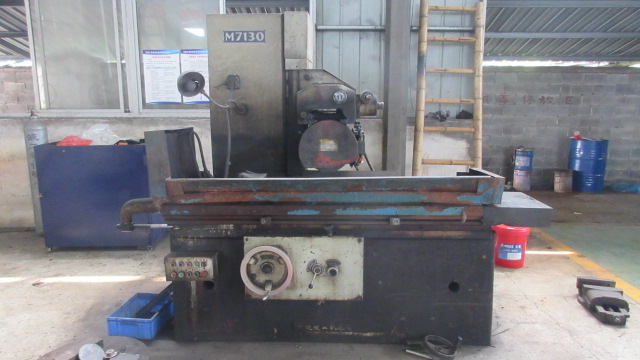
From the initial sourcing of raw pig iron and structural steel plates, our factory handles thermal stress-relieving, precision drilling, structural milling, robotic welding, cleanroom painting, and precise assembly operations. Utilizing high-end gantry machining centers and precision grinding machines, we control tolerances at the structural level. This reduces our dependence on third-party casting foundries, ensuring stable manufacturing lead times, consistent quality, and pricing shielded from market volatility.

Why Choose AcuTek CNC?

  • 60,000+ sqm manufacturing facility
  • Comprehensive quality inspection centers
  • 2-year global warranty program
  • 24/7 customer support networks
  • CE, UL, & ISO compliance standards
  • Export footprint in 50+ countries

Target Export Markets

United States Germany United Kingdom Russia India South Africa Australia Poland Vietnam Peru
60,000+
Factory Area (Sqm)
2 Years
Equipment Warranty
50+
Export Destinations
24/7
Technical Support

Advanced Production Facility & Workflow

A glimpse into the manufacturing phases that transform high-grade raw materials into precision-engineered CNC equipment.
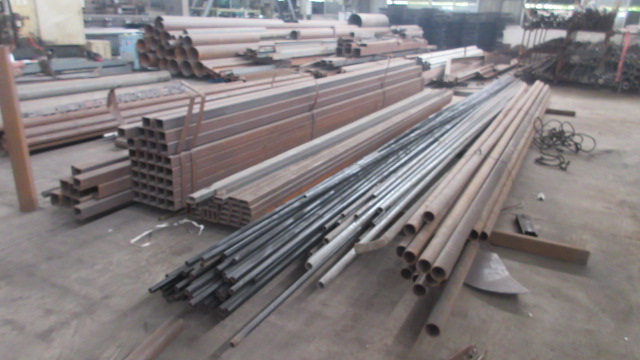
Production Pipeline & Quality Stages

Raw Materials
Raw Materials
Drilling
Drilling
Milling
Milling
Welding
Welding
Painting
Painting
Assembly
Assembly
Finished Product
Finished Product

Precision Processing & Machining Hardware

Plate Shearing Machine
Milling Machine
Milling Machine
Drilling Machine
Drilling Machine
Grinding Machine
Grinding Machine
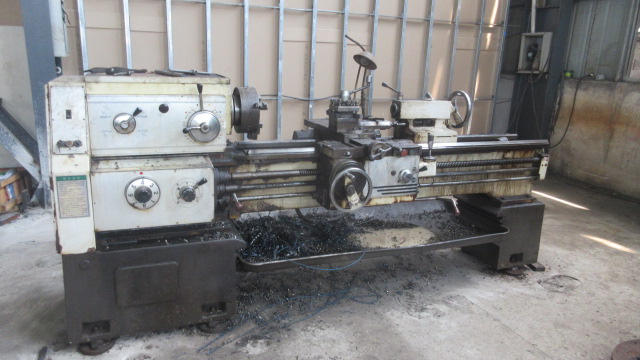
Lathe
Lathe
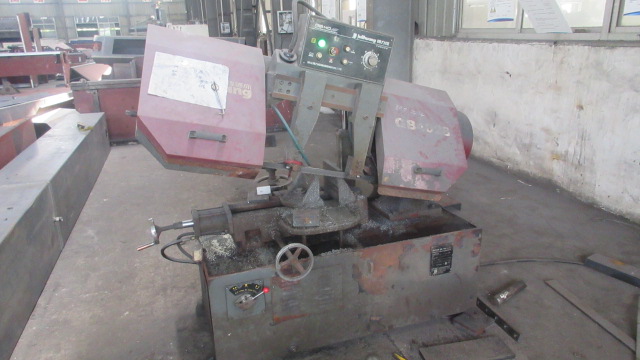
Sawing Machine
Sawing Machine

Technological Roadmap & Future Outlook

Looking forward, the architecture of desktop CNC routers is evolving towards cyber-physical systems. At AcuTek CNC, our engineering team is developing features to address the requirements of Industry 4.0:

  1. Ethernet-Based Real-time Communication: Moving away from USB setups susceptible to electrical noise towards noise-immune, high-bandwidth Ethernet interfaces. This ensures consistent data rates for 4-axis and 5-axis continuous milling.
  2. Smart Sensor Integration: Embedding temperature sensors into our spindle bearings and optical encoders on servo motors. This alerts operators to heat spikes or lost steps, helping prevent scrap parts during long runs.
  3. AI-Assisted Feed Optimization: Researching controller algorithms that adjust feed rates dynamically based on real-time spindle load measurements, extending tooling life and reducing overall cutting cycle times.

Global Support, Service Networks & Localized Compliance

A key issue for importers purchasing equipment from overseas manufacturers is the fear of inadequate technical support and lack of component availability. In response to this, AcuTek CNC has built a robust after-sales infrastructure. Beyond our 2-year equipment warranty and 24/7 technical hotline, we maintain support partnerships in key economic zones:

  • European Union (Germany & Poland): Localized depots housing replacement spindles, driver controllers, linear guideways, and structural bearings. Tech support specialists are available locally to assist with system calibration.
  • United Kingdom & Australia: Dedicated service centers handling installation guidance, operator training, and local warranty claims. This ensures fast turnaround times and reduces operational downtime.
  • North & South America: Strategic relationships with import agents to ensure smooth customs clearance, documentation compliance, and local voltage configuration support (converting machines for 220V Single Phase, 110V household currents, or 380V Three Phase industrial grids).

Compliance Standards

  • CE Machinery Directive 2006/42/EC
  • CE Low Voltage Directive 2014/35/EU
  • FCC Part 15 subpart B certified
  • UL 60950 electrical safety design
  • ISO 9001:2015 Management System

Technical & Procurement FAQ

Expert answers addressing the design, operation, and international shipping of desktop CNC routing equipment.

1. What primary materials can be processed on an AcuTek industrial-grade desktop CNC router?
Our desktop CNC routers cut wood, acrylic, engineering plastics (POM, Nylon, PTFE), fiberglass, carbon fiber sheets, and non-ferrous metals such as aluminum, brass, and copper. For clean non-ferrous metal cutting, we recommend configurations with integrated mist-coolant systems to lubricate the cutter interface, clear chips, and extend tool life.
2. How does a 4th-axis rotary indexer expand the operational envelope of the machine?
A 4th-axis rotary indexer replaces one of the linear axes or operates as an independent indexing channel (often designated as the A-axis). This allows the machine to rotate the workpiece, enabling complex cylindrical machining, engraving on curved surfaces, and multi-sided machining of intricate components without manually repositioning the stock material.
3. What are the electrical connection configurations for international shipping?
We customize our machines' internal electrical cabinets to match regional utility standards. Common setups include 220V 50Hz/60Hz Single Phase for light industrial and residential shops, and 380V Three Phase configurations for large industrial facilities. We specify components like variable frequency drives (VFDs) and EMI filters to operate reliably within local voltage tolerances.
4. How does the Automatic Tool Changer (ATC) option enhance productivity on desktop systems?
An ATC system allows the machine to automatically swap routing tools during a single program run. Instead of pausing for manual tool changes, Z-axis re-zeroing, and recalibrating, the machine retrieves the next tool (e.g., swapping a roughing endmill for a fine ball nose finishing bit) from a tool holder fork array in seconds. This reduces cycle times and cuts down on manual labor.
5. What is the typical lead time for custom export orders and what shipping methods are available?
For standard configurations, production and testing typically require 15 to 20 business days. Custom configurations (such as specific spindles, specialized controllers, or enclosures) may take 25 to 30 days. We ship via ocean freight (LCL or FCL), door-to-door multimodal logistics, or air cargo for rapid component delivery. Each machine is packed in sea-worthy plywood crates with anti-rust oil coatings and moisture barriers.
All Desktop CNC Router Products