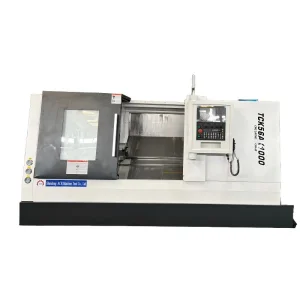
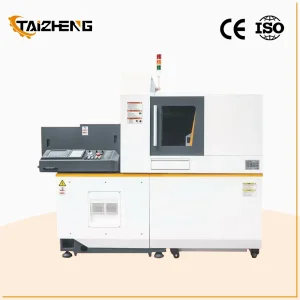
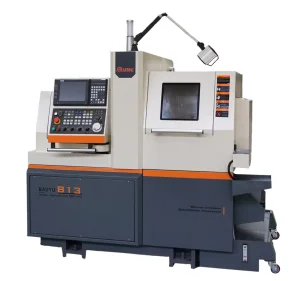
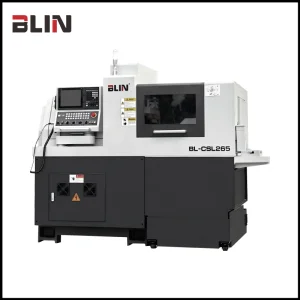
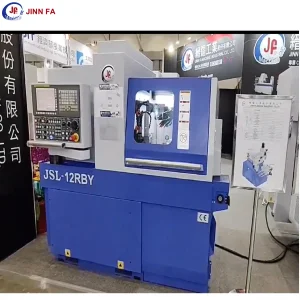
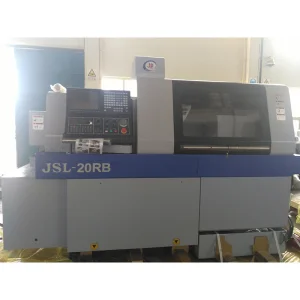
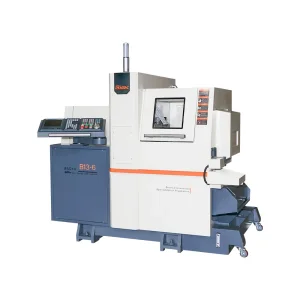
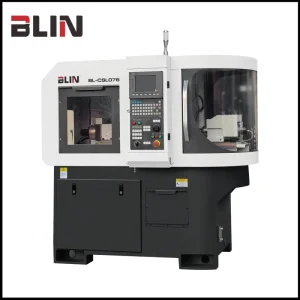
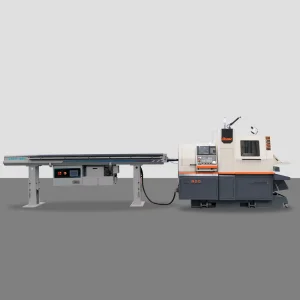
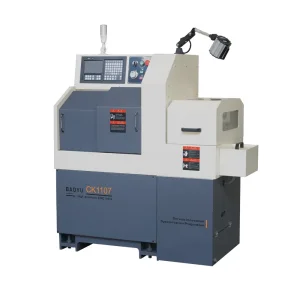
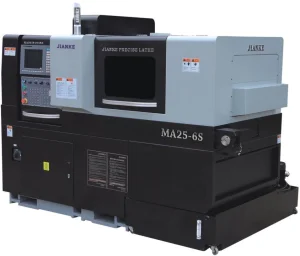
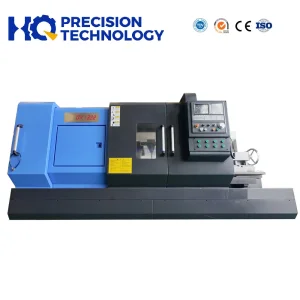
Engineered for long, slender shaft machining and complex micro-components with exceptional dimensional stability.
Australia’s manufacturing industry is undergoing a structural renaissance. With initiatives like the Modern Manufacturing Strategy (MMS) and a national focus on sovereign capabilities, local firms are pivoting from volume commodity production to high-margin, precision engineering. This transformation is heavily felt in sectors such as defense technology, aerospace componentry, medical device implants, and high-performance mining equipment.
Traditional machining centers struggle to process small, highly complex parts without material deflection. This is where Swiss-Type CNC sliding headstock lathes become indispensable. By utilizing a sliding headstock and guide bushing mechanism, the raw material remains fully supported right at the cutting point. This design completely eliminates structural bending, allowing Australian workshops in Sydney, Melbourne, Adelaide, and Brisbane to turn out complex surgical screws, sub-sea telemetry housings, and defense-grade connectors with micron-level tolerances.
The demand is no longer just for basic lathes; it is for high-efficiency, multi-spindle, multi-axis centers that allow done-in-one operations. Reducing manual handling is critical in overcoming the high domestic labor rates in Australia, enhancing international competitiveness, and shortening delivery lead times for local supply chains.
By bypassing intermediaries and sourcing direct from manufacturer Shandong AcuTek CNC Co., Ltd., Australian companies secure direct-factory engineering support, specialized component configurations, and significant CAPEX relief compared to localized dealer-marked alternatives.
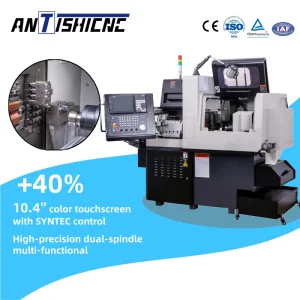
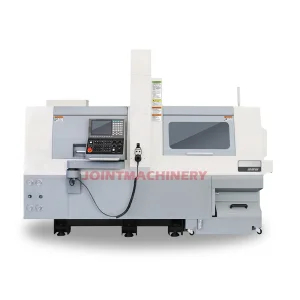
Engineered to support synchronized dual-spindle processing, high rotational speeds, and complex micro-milling tasks.
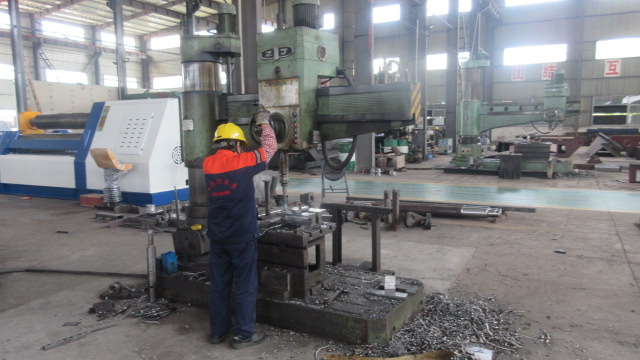
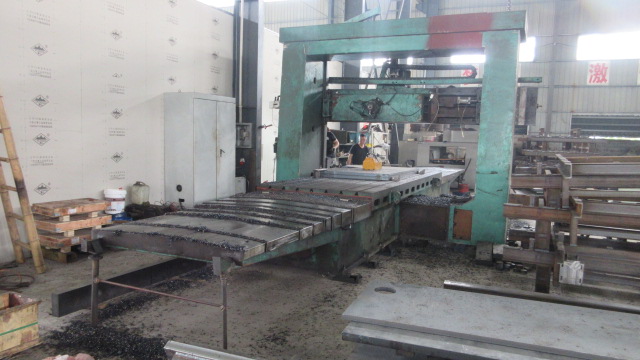
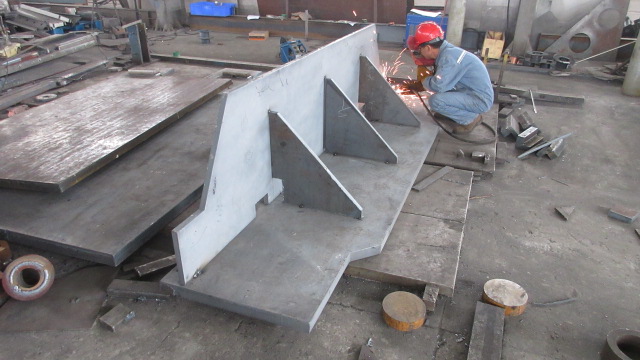
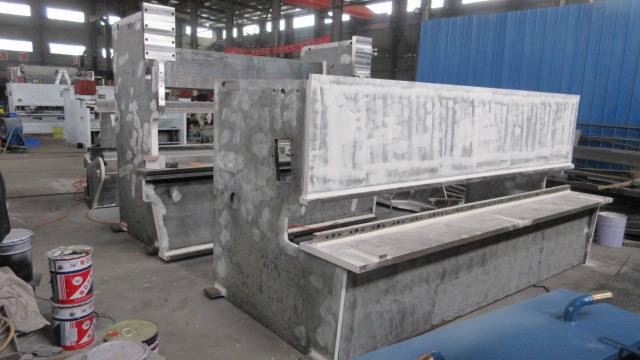
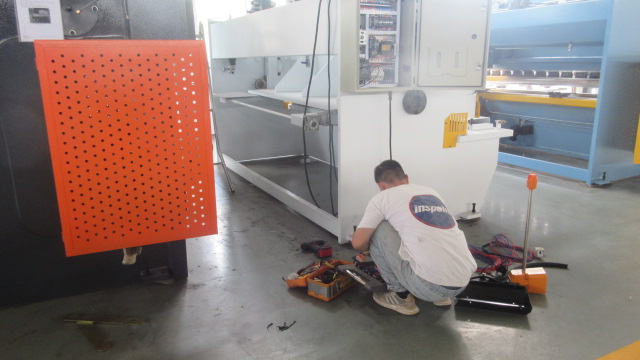
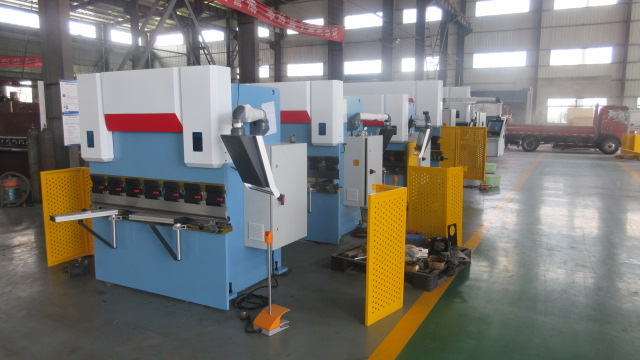
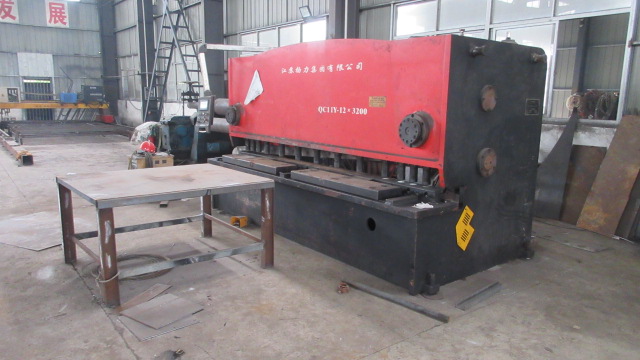
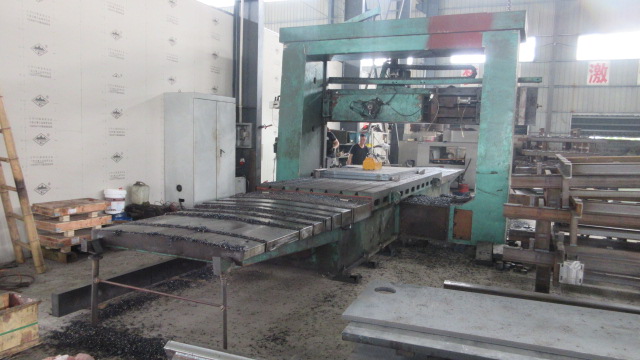
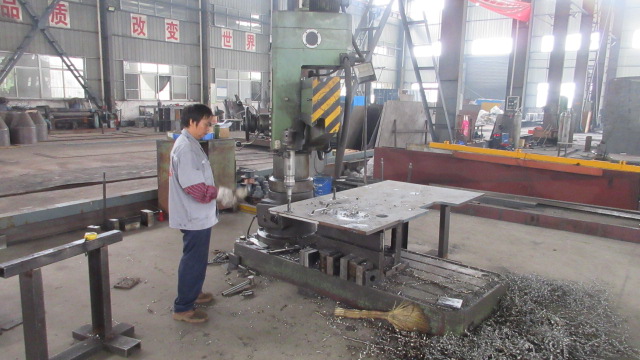
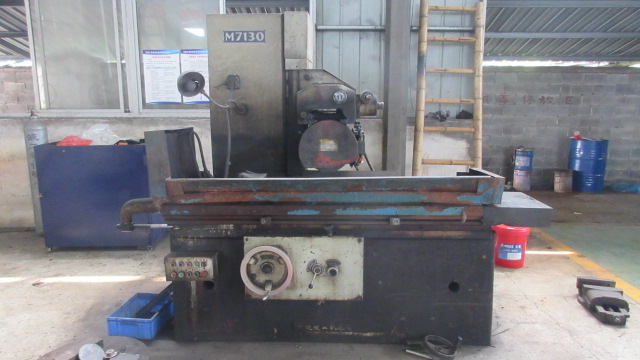
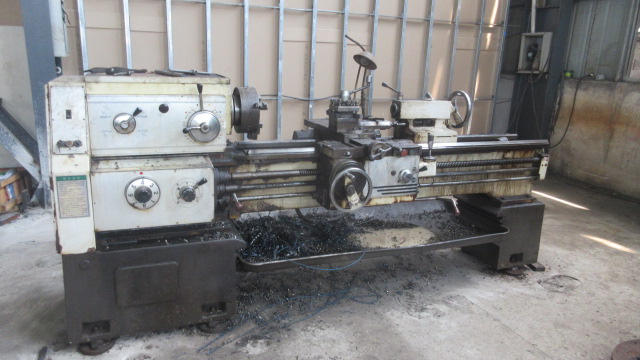
Shandong AcuTek CNC Co., Ltd. operates a highly advanced facility equipped with gantry machining centers, heavy milling, precise grinding, and professional assembly lines, ensuring complete end-to-end quality control.
Our production standards are fully compliant with ISO 9001, CE directives, and the high functional requirements requested by engineering clients in Western Europe and the Australia-Pacific region.
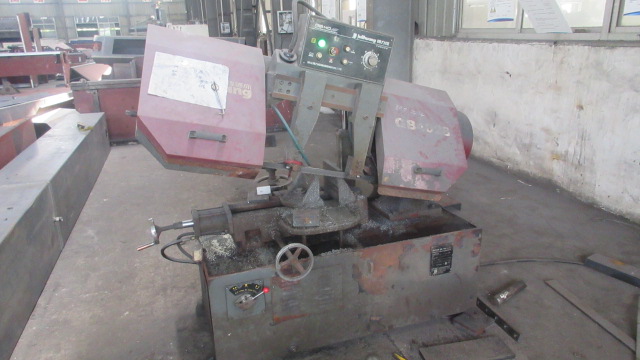
In the modern economic environment, supply chain stability is just as important as engineering precision. At Shandong AcuTek CNC Co., Ltd., we run a modernized production base spanning over 60,000 square meters. Our facility features advanced horizontal machining centers, high-performance lathes, grinding machines, and vertical drills. This centralized layout allows us to execute every step of production in-house—from initial casting processing to final geometric inspection.
Our Factory 4.0 strategy is built on optimization, high quality, and fast shipping. By utilizing modern production planning and automated lines, we drastically reduce standard lead times. For Australian buyers concerned with volatile logistics, this means a reliable supply chain, consistent assembly schedules, and components delivered on time.
We provide a 2-year comprehensive warranty and 24/7 technical support. To better assist international clients, we have built a growing service network spanning Germany, Poland, the UK, and Australia. Our teams are always ready to assist with technical setup, troubleshooting, and replacement parts to keep your machines running smoothly.
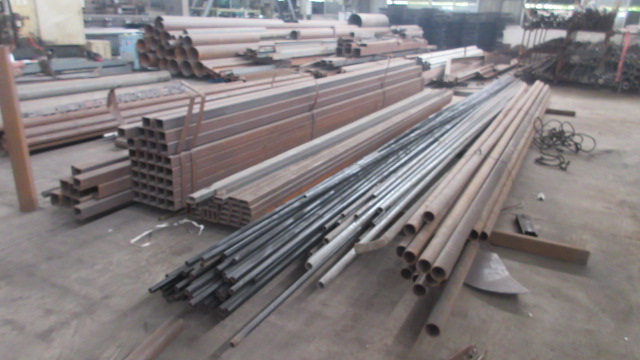
Every stage of manufacturing—from raw stock preparation to final dynamic testing—is managed in-house for maximum accountability.
Select the ideal model matching your raw stock diameter, axis count, and tool layout configuration.
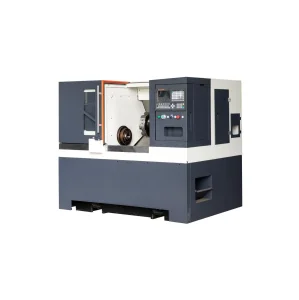
Understanding the physics of metal cutting is critical when selecting machine tooling. In a traditional fixed headstock CNC lathe, the bar stock remains clamped in the main chuck and extends into the machining volume. As the cutting tool applies radial force, the bar stock naturally deflects. This deflection is proportional to the cube of the overhang length. For long parts with a high length-to-diameter ratio (typically over 3:1), this results in severe vibration, tool wear, and dimension loss.
A Swiss-type (sliding headstock) lathe resolves this issue. The bar stock is fed through a guide bushing. The cutting tool is positioned close to the guide bushing, typically within 1mm to 2mm of the support point. Because the radial forces are applied directly next to the rigid support, deflection is virtually eliminated. This design allows operators to turn shafts with ratios of 10:1, 20:1, or higher in a single pass, maintaining tight tolerances along the entire length.
By using twin spindles and live tooling arrays, our Swiss lathes process both the front and back of the part simultaneously. This eliminates manual part flipping, reducing cycle times and minimizing setup errors.
The rigid guide bushing support provides excellent damping of micro-vibrations, resulting in smooth finishes. This ensures dental implants and bone screws meet strict medical guidelines without requiring polishing.
Highly precise servo controls and stable kinematics mean fewer setup parts, lower scrap rates, and better utilization of expensive alloys like Titanium Gr. 5, Inconel, and aerospace-grade stainless steels.
Importing CNC machinery into Australia requires careful attention to compliance, shipping, and power grid compatibility. Unlike generic equipment suppliers, Shandong AcuTek CNC Co., Ltd. builds machines matching Australia’s operational parameters. All shipped units can be customized to match the standard 415V, 50Hz, 3-phase power grid, preventing issues during installation.
We handle standard logistics routes, coordinating sea freight from Qingdao or Shanghai directly to major ports like Sydney (Port Botany), Melbourne, Brisbane, and Fremantle (Perth). Our shipping department handles export customs declaration, structural timber fumigation checks, and marine insurance to ensure your equipment arrives safely.
Furthermore, we prioritize E-E-A-T principles by backing every machine with clear safety protections. All electrical cabinets are built with high-quality components, emergency circuit isolation, and physical machine enclosure interlocks. Our design standards focus on protecting operators, minimizing downtime, and ensuring the machinery stands up to continuous industrial use.
Specify your workshop's voltage and workspace limits when contacting our technical sales team.
Answers to common technical, logistics, and support questions from Australian engineering workshops.
 AcuTek CNC