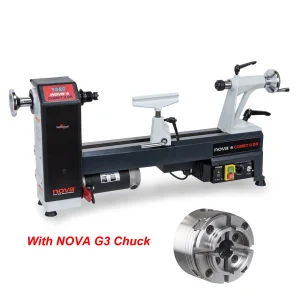
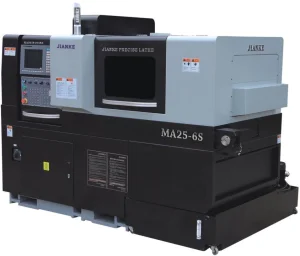
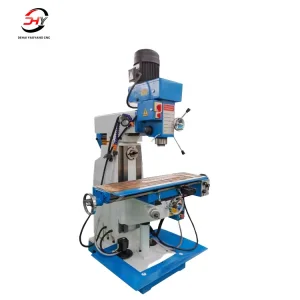
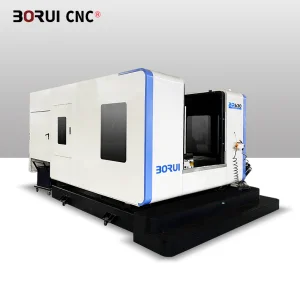
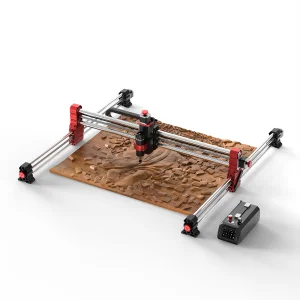
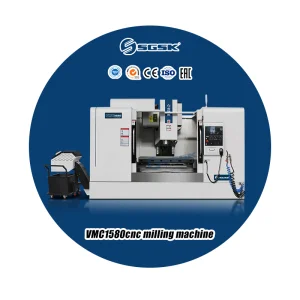
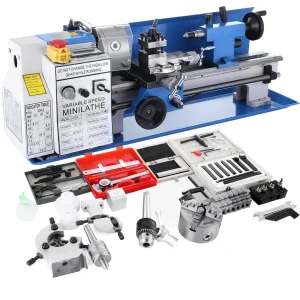
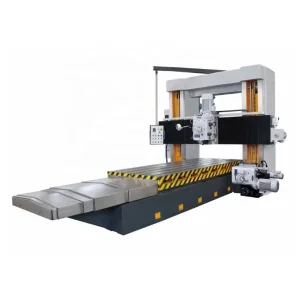
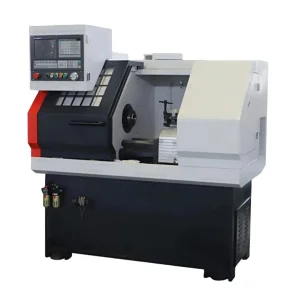
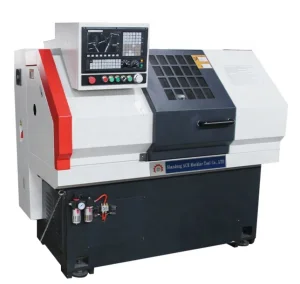
Explore our precision-engineered desktop and full-sized industrial CNC lathes and milling machines engineered for strict tolerances and robust performance.
In modern industrial manufacturing, metrological verification and process automation demand high-precision tactile and non-contact inspection. The CNC articulating arm—commonly classified under Portable Coordinate Measuring Machines (PCMMs) and robotic kinematic links—has emerged as a foundational technology. These systems leverage multi-axis joint designs configured with high-resolution absolute rotary encoders and lightweight carbon fiber arm tubes to deliver sub-micron repeatability directly on the shop floor.
Historically, inspection was isolated to climate-controlled metrology labs using heavy, stationary bridge-type CMMs. The shift towards agile manufacturing and digital-twin implementation has accelerated the adoption of portable articulating arms. These devices remove structural limitations, allowing operators to perform complex geometric dimensioning and tolerancing (GD&T) checks directly on the production line. By reducing part transfer times and mitigating thermal expansion calibration delays, CNC articulating arms have significantly reduced inspection cycles in modern production facilities.
The global demand for CNC articulating arms is driven by two main growth areas: advanced quality control (metrology-grade arms) and robotic automation (collaborative articulating limbs). Valued at over $2.1 billion globally, this market continues to expand as aerospace engineering, electric vehicle (EV) gigafactories, and custom medical device manufacturing scale worldwide.
In Europe and North America, strict safety and quality standards require advanced dimensional verification. Meanwhile, the Asia-Pacific region, led by major industrial manufacturing zones, has seen a significant increase in the adoption of articulating arms to support smart factory automation. These systems are used for scanning structural castings, optimizing sheet-metal welding paths, and calibrating heavy multi-axis CNC machine centers.
This list profiles the leading global manufacturers and exporters of metrology-grade articulating arms, portable CMMs, and precision mechanical arms. These industry leaders are selected based on technological innovation, engineering capabilities, calibration standards, and global support networks.
Hexagon's flagship Absolute Arm represents the gold standard in portable CMM inspection. Featuring proprietary absolute encoders in every articulation joint, the system eliminates the need for sensor initialization or warm-up sequences. With dynamic laser scanning attachments and carbon-fiber construction, Hexagon provides high-precision measurements across diverse aerospace and automotive environments.
As a pioneer in portable metrology, FARO's Quantum Max FaroArm offers outstanding flexibility with three interchangeable hot-swappable blue-laser scanning probes. Widely used for reverse engineering and inspection, its advanced balance design reduces operator fatigue, while integrated Bluetooth connectivity enables cable-free measurement on large structural assemblies.
Kreon specializes in 3D laser scanner integration with articulating arms. Their Onyx Measuring Arm offers exceptional rigidity and precision, designed to handle demanding production environments. Combined with Kreon's high-resolution Skyline laser scanners, these arms capture complex freeform surfaces with high point-cloud density.
Mitutoyo's SpinArm-Apex series integrates with their industry-standard MCOSMOS software suite. This integration allows manufacturers to transition measurement programs seamlessly between stationary bridge CMMs and portable shop-floor articulating arms, maintaining consistent data formats and traceability.
Nikon's 7-axis MCAx S portable articulating arm is designed to work with their ModelMaker H120 handheld laser scanners. Leveraging Nikon's advanced camera optics and light-source control, the system achieves remarkable accuracy on difficult surfaces like high-reflection metals and dark composites without requiring spray coating.
Operating a modern 60,000 square meter production facility, Shandong AcuTek CNC Co., Ltd. manufactures high-precision structural components, gantry machine frames, and rotary axis assemblies that form the core of industrial robotic and CNC articulating systems. Known for rigid mechanical designs, AcuTek exports structural solutions worldwide, supported by complete ISO-compliant manufacturing lines.
Tomelleri manufactures versatile articulating arms designed for specialized applications, including pipe inspection and internal geometry analysis. Their mechanical design features internal spring counterbalancing to ensure smooth, weightless manipulation throughout the system's working envelope.
API Metrology's articulating systems are engineered for high-precision shop-floor environments. They feature carbon-fiber structural tubes, integrated temperature compensation, and mechanical joint designs that maintain calibration stability during transportation or environmental shifts.
PMT manufactures metrology-grade articulating arms that serve automotive and mold-making industries. Offering competitive accuracy-to-cost ratios, PMT arms support tactile probing and non-contact laser scanning, making them a popular choice for emerging manufacturing markets.
Trimos A-Line arms deliver the Swiss precision expected in fine mechanics. Engineered for simple, intuitive operation, these systems integrate with dynamic dimensional software, providing high reliability for inspection labs and precision manufacturing workshops alike.
CNC articulating arms and high-precision CNC machinery are critical components across diverse manufacturing sectors. Below are the key applications where these technologies ensure operational efficiency and quality:
In aerospace manufacturing, checking the geometry of large fuselages, wing ribs, and engine mounts requires portable, high-accuracy inspection solutions. Portable articulating arms allow engineers to verify tolerances on titanium and carbon-fiber assemblies directly inside the fixture, reducing assembly downtime.
Automotive manufacturers use articulating arms to inspect gap-and-flush tolerances on body panels and chassis frames. Incorporating blue laser line scanners allows for high-speed scanning of reflective metal panels without surface treatment, optimizing inline assembly validation.
Tooling shops use articulating arms to verify mold profiles against nominal CAD models. Detecting wear or deviations early helps prevent defective production runs, extending tooling life and ensuring part consistency.
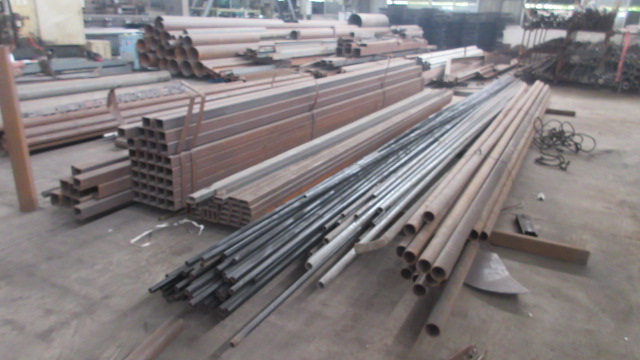
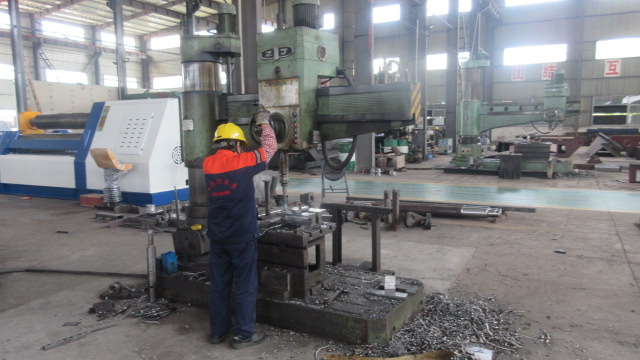
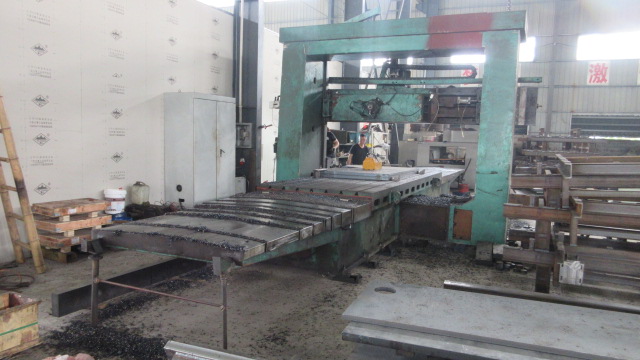
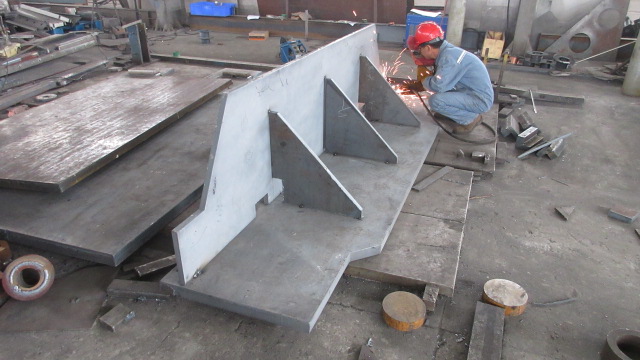
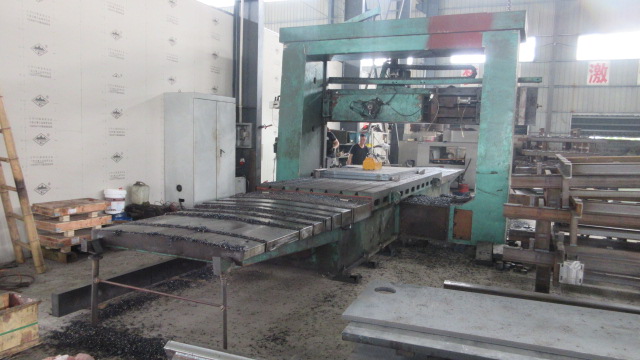
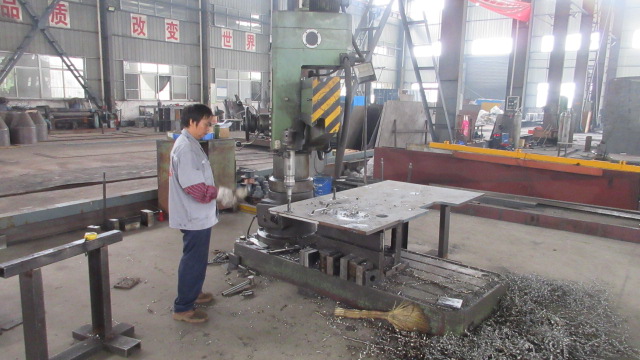
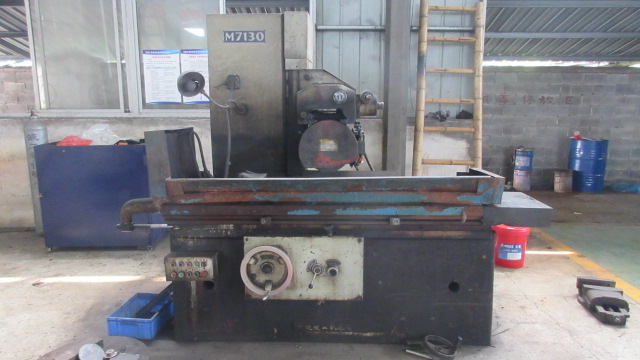
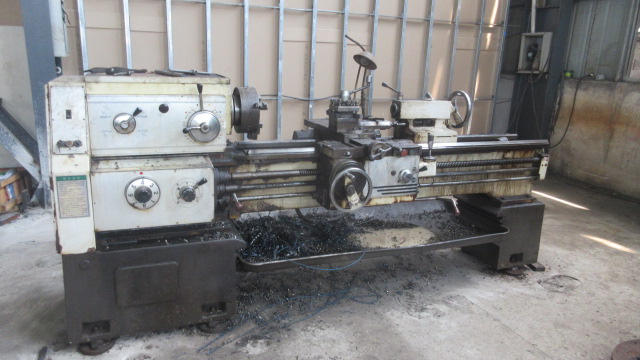
The precision of an articulating arm relies on the stability of its base and the manufacturing quality of its joint housings. Shandong AcuTek CNC Co., Ltd. operates a 60,000 square meter production facility equipped with heavy-duty milling, drilling, and grinding centers. This infrastructure ensures that all machined structural components meet rigid mechanical and thermal stability standards.
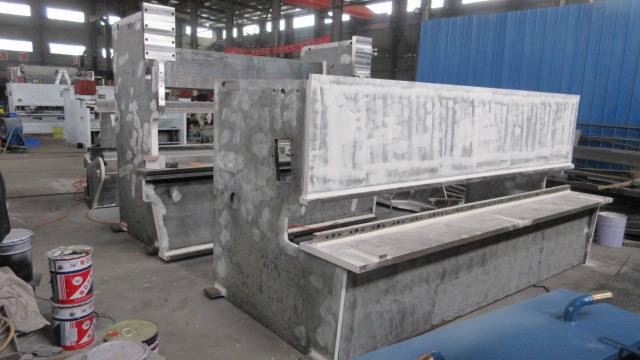
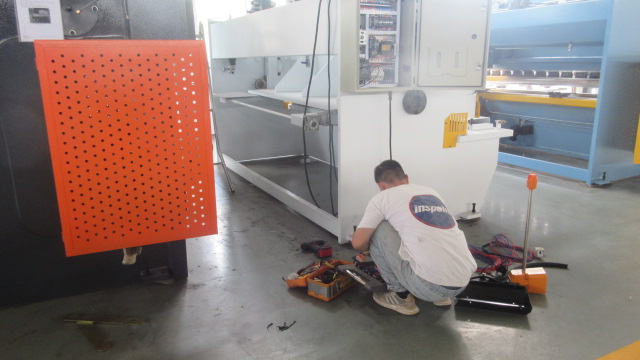
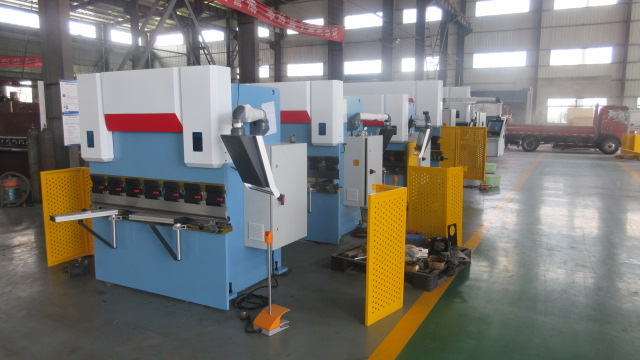
Strict Quality Control Processes
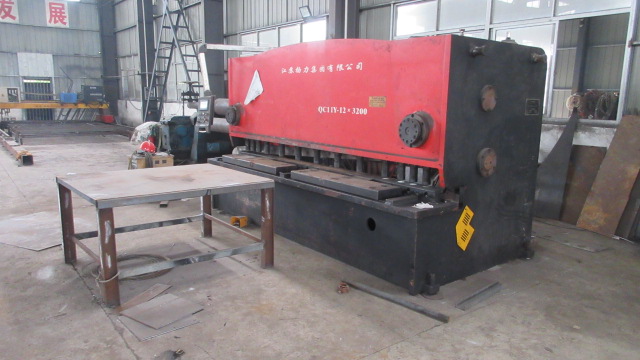
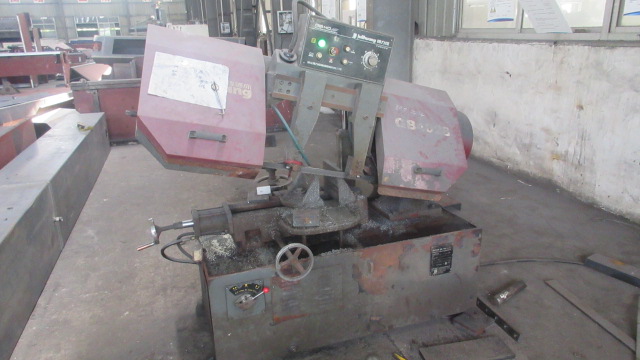
International compliance is critical when deploying metrology equipment. Shandong AcuTek CNC ensures that all machinery conforms to major regional and global standards, facilitating integration into regulated manufacturing sectors:
The future of CNC articulating arms points toward full digital-twin integration and real-time path planning. Key technological developments include:
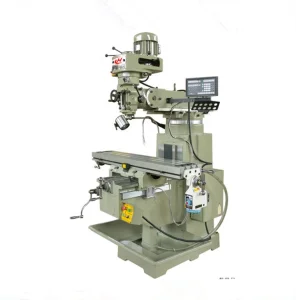
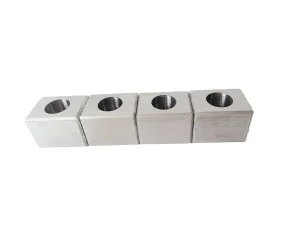
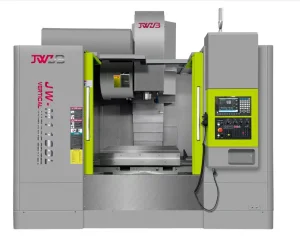
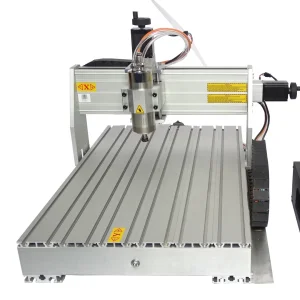
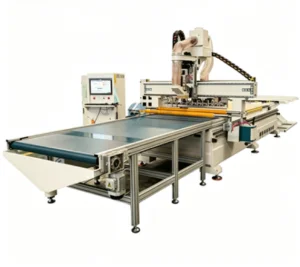
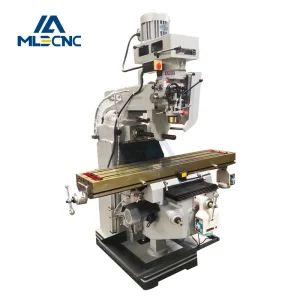
Explore the second half of our specialized machinery product lineup, featuring vertical mills, custom component manufacturing, and multi-axis routers.
 AcuTek CNC