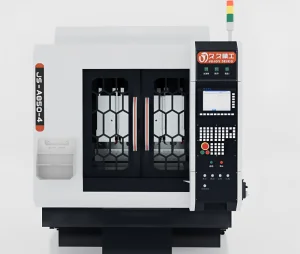
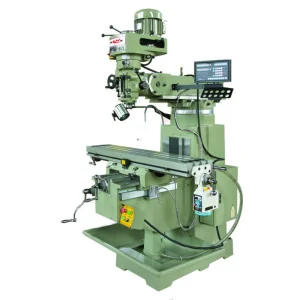
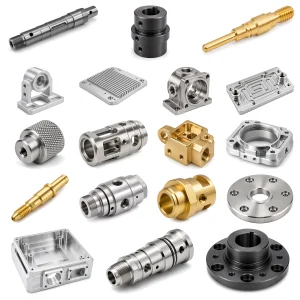
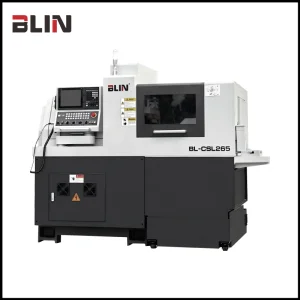
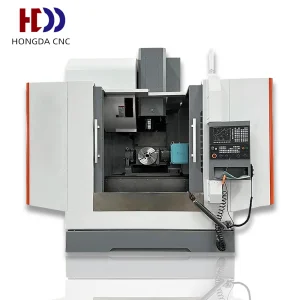
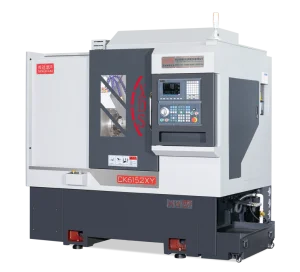
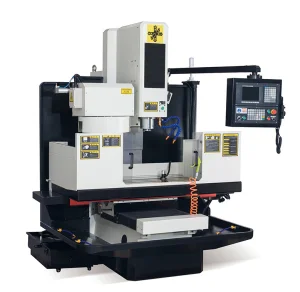
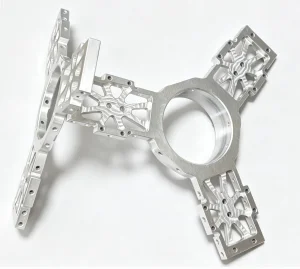
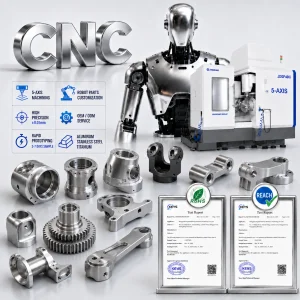
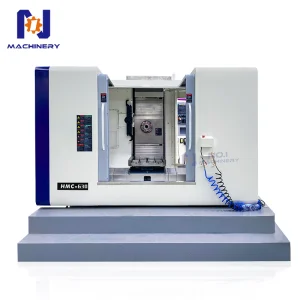
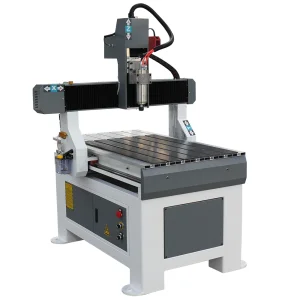
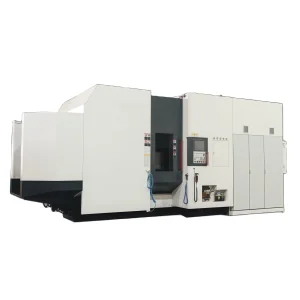
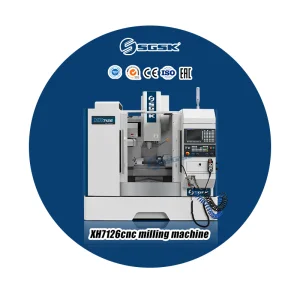
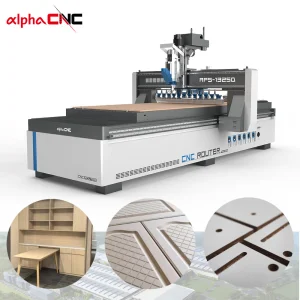
Discover our signature line of heavy-duty, high-accuracy multi-axis CNC tooling machines deployed worldwide to manufacture custom tooling electrodes and core components.
Shandong AcuTek CNC Co., Ltd. stands at the forefront of precision subtractive and non-traditional manufacturing technology. Spanning a modern production facility over 60,000 square meters, we merge advanced CNC machining centers with cutting-edge Electrochemical Machining (ECM) engineering protocols to offer unparalleled OEM/ODM processing services globally.
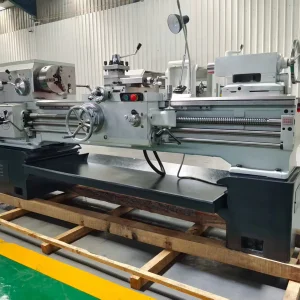
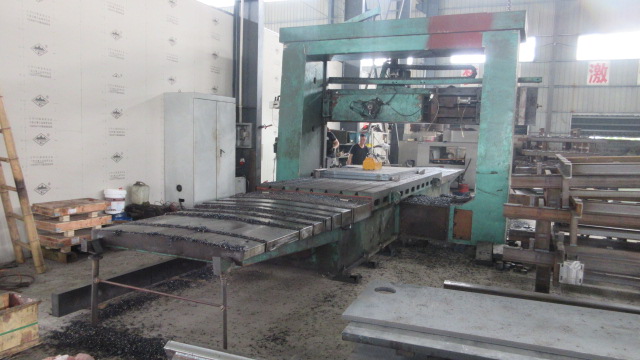
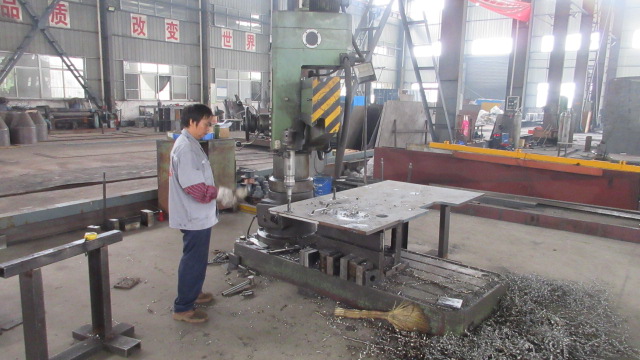
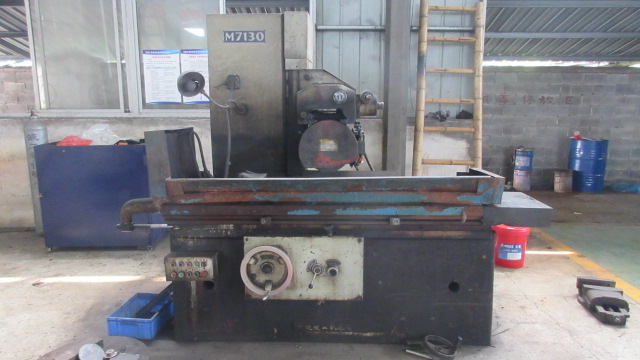
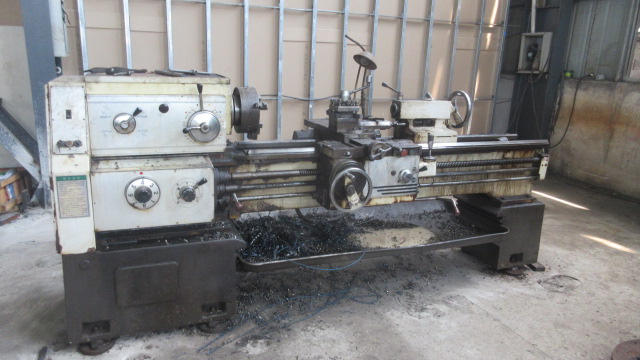
Our facility is outfitted with a comprehensive stack of heavy equipment: gantry-type vertical mills, multi-axis lathes, grinding assemblies, and high-performance electrolysis tanks. Under strict ISO 9001:2015 frameworks, we deliver high-accuracy sub-components and tooling systems engineered for high durability, zero micro-cracking, and long service life.
We operate dynamic export routes to key target markets including the United States, Germany, Poland, Australia, Russia, India, South Africa, and Southeast Asia, backed by a comprehensive 2-year warranty and 24/7 round-the-clock technical service.
Our dedicated engineering hubs in the United Kingdom, Germany, Poland, and Australia assure zero-latency troubleshooting, rapid electrolyte calibration, and localized commissioning support for complex industrial manufacturing cells.
Unlocking unmatched geometric capabilities through anodic dissolution, completely bypassing traditional mechanical and thermal tooling constraints.
Unlike mechanical drilling or CNC milling, Electrochemical Machining (ECM) relies on controlled anodic dissolution under Faraday's Laws. Since the cathode tool (electrode) never contacts the anode workpiece, physical tool wear is eliminated entirely. This ensures 100% repeatability for multi-million part runs.
Traditional machining methods (EDM, Laser cutting, or traditional mechanical milling) generate high localized temperatures, leading to thermal stresses, micro-cracking, and a altered microstructure layer. ECM operates as a cold chemistry process, keeping the workpiece structural integrity completely intact.
ECM efficiency is completely independent of material hardness. Tough, wear-resistant, and high-temp superalloys—such as Inconel 718, Titanium Ti-6Al-4V, Hastelloy, Cobalt-Chromium, and hardened tool steels—are shaped with the same ease as raw copper or structural aluminum.
Understanding when to deploy Electrochemical Machining relative to traditional CNC milling and Electrical Discharge Machining (EDM).
| Process Metric | Electrochemical Machining (ECM) | CNC Lathe / Milling | Electrical Discharge Machining (EDM) |
|---|---|---|---|
| Removal Mechanism | Anodic dissolution (Chemical-Electric) | Mechanical chip shearing (Physical force) | Thermal spark erosion (High heat vaporization) |
| Tool Wear Ratio | Zero wear (0%) | High (Dependent on material hardness) | Moderate (Spark erosion degrades cathode) |
| Surface Roughness (Ra) | Down to 0.05 μm (Mirror finish possible) | 0.8 μm - 3.2 μm typical | 0.4 μm - 1.6 μm |
| Heat Affected Zone (HAZ) | None (Cold electrochemical processing) | Minimal (Friction induced) | Significant (Recast layer present) |
| Best Application | Turbine blisks, thin walls, micro-nozzles | Prismatic components, rapid prototyping | Deep cavities, hard dies, punch molds |
From raw metal ingot handling to precision grinding and final assembly, our workflow ensures tight compliance at every step.
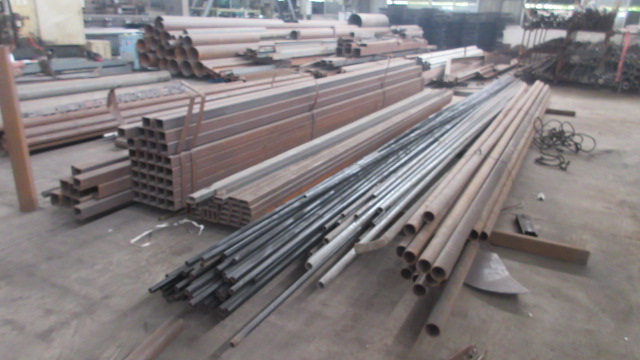
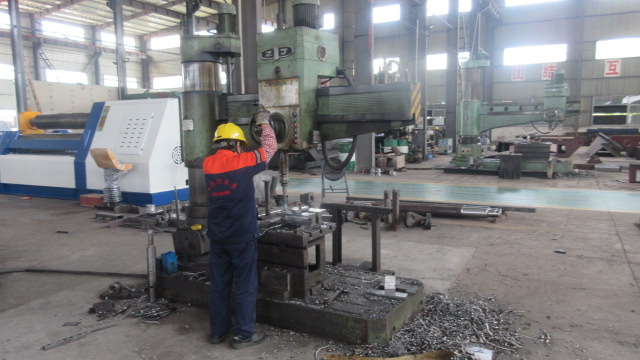
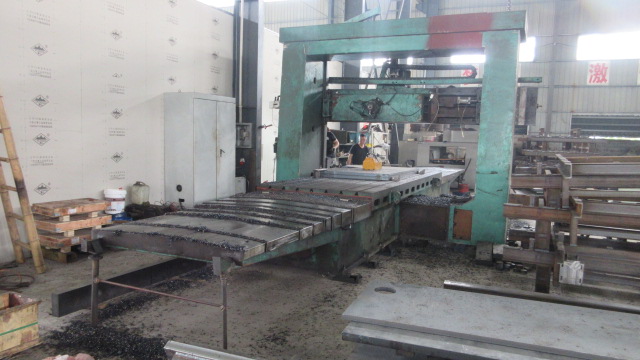
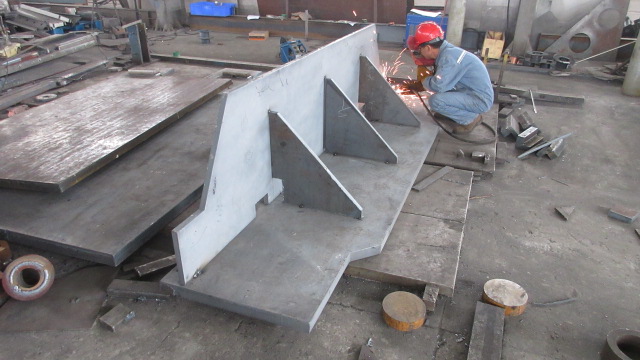
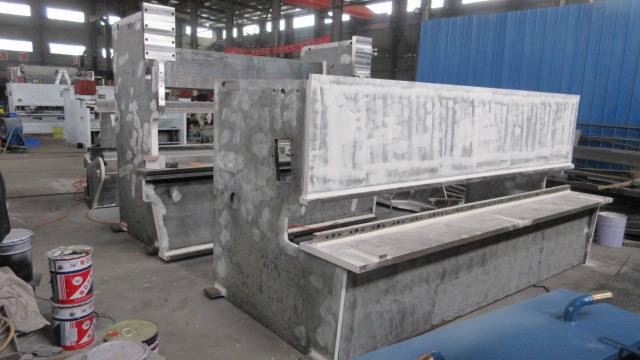
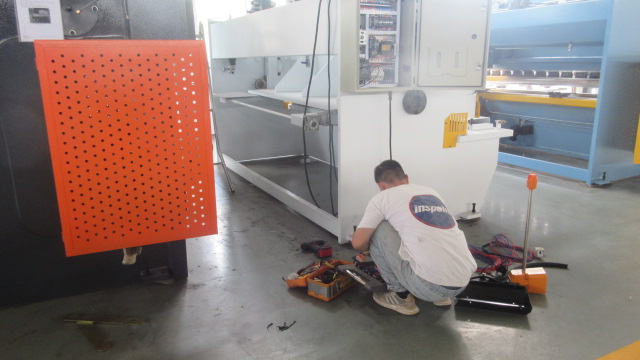
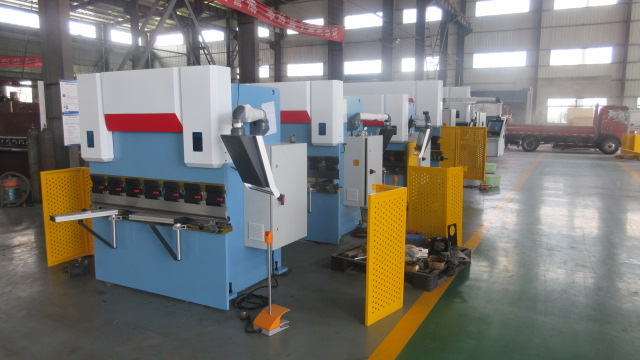
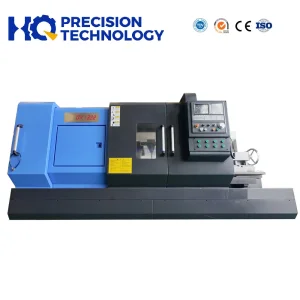
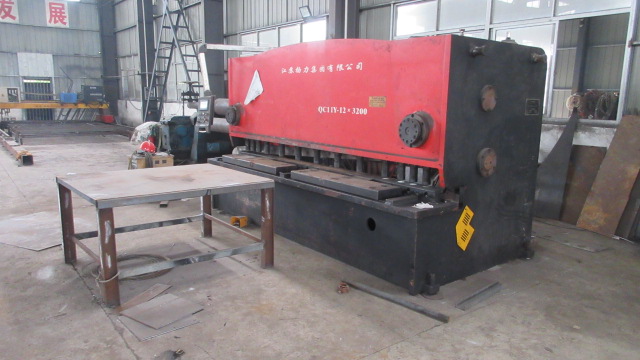
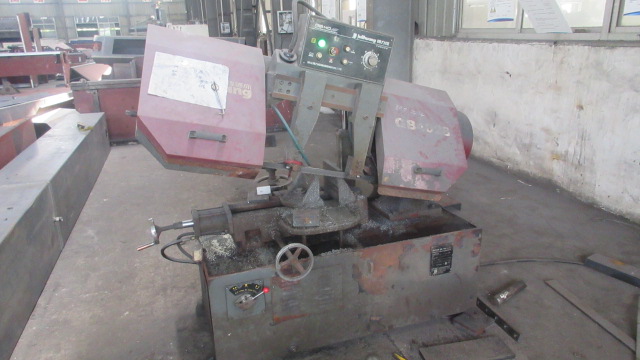
We deploy dedicated support machinery to build the precision fixtures, electrodes, and casings required for high-accuracy ECM operations.
How industry leaders deploy our OEM/ODM Electrochemical Machining capabilities across critical global industrial sectors.
Modern jet engine components use integrated blades and disks (blisks) made of titanium or nickel superalloys. Traditional milling faces extreme tool chatter, rapid cutting edge degradation, and long manufacturing cycle times.
Our ECM Solution: We create custom cathode tools that feed into the raw ring structure. The electrolyte flow dissolves the excess metal simultaneously, cutting production time by up to 70% while producing stress-free, aerodynamic curvatures.
Diesel and gasoline direct injection systems operate under extreme pressures. The micro-holes within these fuel spray nozzles must be completely free of burrs and feature rounded inlet geometries to optimize fluid dynamics.
Our ECM Solution: Utilizing high-speed pulsed electrochemical drilling (PECD), we mass-produce spray holes with diameters down to 100 μm, achieving precise corner radii and absolute elimination of microscopic burrs.
Surgical tools and titanium bone implants must feature pristine surface qualities. Mechanical scratching or abrasive residue can compromise biocompatibility or cause post-operative complications.
Our ECM Solution: Our non-contact electrochemical polishing and profiling systems impart a ultra-smooth surface finish (Ra < 0.05 μm) and create intricate profiles in medical grade Stainless Steel and Titanium alloys.
Traditional mechanical broaching of helical rifling grooves in high-alloy gun barrels causes high internal residual stress, leading to thermal distortion during high-rate firing.
Our ECM Solution: We deploy specialized linear cathode probes with helical insulating strips. In a single sweep, all rifling grooves are electrochemically dissolved simultaneously without imposing physical stresses.
How our R&D roadmap prepares your production lines for next-generation material designs and high-precision specs.
By compressing current pulses to microsecond and nanosecond intervals, our systems localize dissolution to within a few micrometers. This drives profile tolerances down to ±5 μm, enabling high-precision machining of ultra-thin walls.
Merging laser pre-heating with localized electrochemical dissolution. The localized heat reduces material passivity, allowing for rapid localized metal removal on super-hard ceramics and metal matrix composites (MMCs).
Implementing machine-learning algorithms to monitor electrolyte conductivity, temperature variations, and current flux in real-time. This dynamically adjusts feed rates, ensuring micro-level accuracy over extended production cycles.
Operating within Shandong's premier heavy machinery cluster, Shandong AcuTek CNC Co., Ltd. offers significant cost-performance advantages, secure raw material pipelines, and robust supply chain integration.
We track and document every step of our manufacturing workflow, from mill test reports of raw materials to final dimensional checks.
"Partnering with AcuTek provided our aerospace division with certified titanium turbine component blanks, complete with full traceability paperwork. Their lead time was half of what we estimated."
— Senior Supply Director, European Defense contractor
We design our machinery and custom parts to conform with rigorous international standards, backed by local service hubs.
Full conformity with European electrical safety, safety shielding, and electromagnetic standards.
Operations are audited to ISO 9001:2015 standards, ensuring consistent processes.
Elimination of hazardous substances from our machine controls and mechanical frames.
Global access to field technicians and remote diagnostic assistance via secure connections.
Expert technical answers regarding materials, precision, tooling, and operational logistics.
Engineered to support heavy-industry prototyping, mold bases, aerospace structures, and automated mechanical components.
 AcuTek CNC