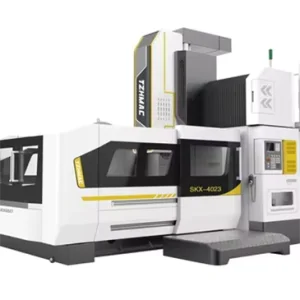
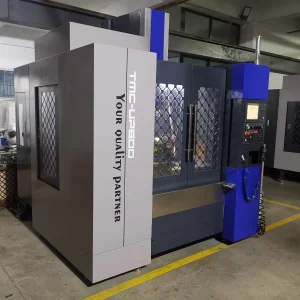
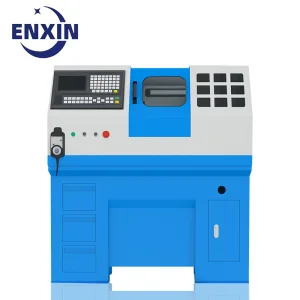
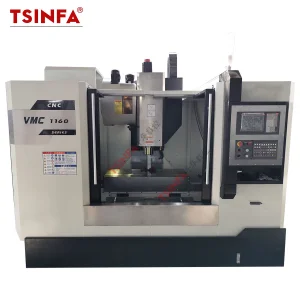
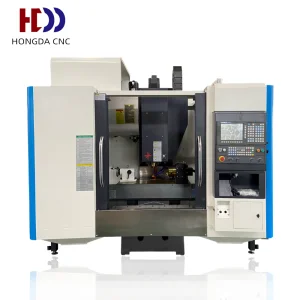
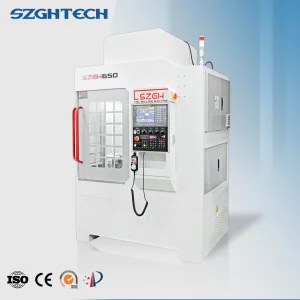
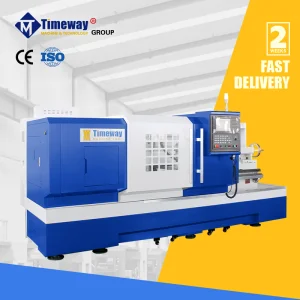
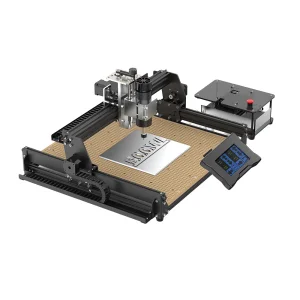
Explore our leading industrial machining setups, engineered for high reliability, stable performance, and long operational lifespans across global manufacturing floors.
Understanding the technological convergence shaping the future of advanced metalworking, smart automation, and heavy manufacturing.
The modern industrial manufacturing sector is experiencing an unprecedented structural convergence. While CNC Laser Cutting Machines have become the standard for sheet metal profiling and complex geometric cutting, their execution accuracy depends directly on the structural mechanical foundations of conventional CNC machine tool building. A high-performance fiber laser machine requires a robust, stress-relieved gantry frame, precise guide-way alignments, and premium linear motion systems to maintain sub-micron positioning tolerances under rapid acceleration forces.
As international demand pivots toward high-power fiber lasers (ranging from 12kW to 40kW), the structural requirement of the machine bed has shifted from simple welded sheet metal configurations to heavy-duty, cast, and precision-machined gantry profiles. This is where companies like Shandong AcuTek CNC Co., Ltd. leverage their legacy engineering strength. By utilizing CNC milling centers, heavy grinders, and specialized boring machines, they supply the structural integrity required to build laser cutting tools capable of continuous operations without thermal deformation or mechanical fatigue.
How downstream industrial integration, raw material access, and advanced manufacturing practices drive competitiveness.
From casting foundries to precision component machining (spindles, linear guides, ballscrews) and electronic systems integration, China's CNC manufacturing corridors provide unrivaled proximity to raw and processed inputs. This reduces production lead times and decreases raw material transit costs, providing a direct cost advantage to the global buyer.
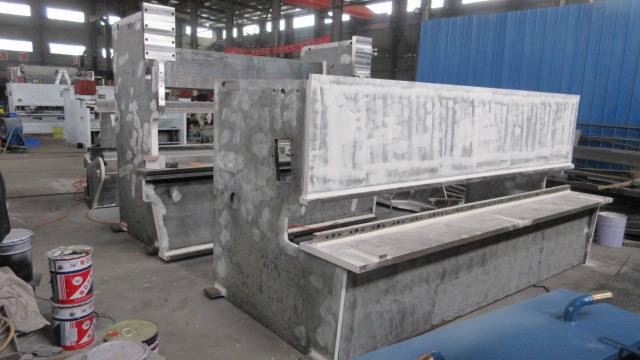
China's top CNC laser and machine tool factories utilize state-of-the-art gantry mills and precision annealing furnaces to eliminate internal stresses within welded steel beds. This thermal stress-relief procedure is critical to ensuring the machine bed remains dimensionally stable for decades under constant mechanical dynamics.
By integrating recognized international control systems—such as Fanuc, Siemens, Mitsubishi, and domestic high-performance systems like GSK—Chinese manufacturers ensure that operators worldwide can configure, troubleshoot, and optimize cutting paths without learning proprietary controller languages.
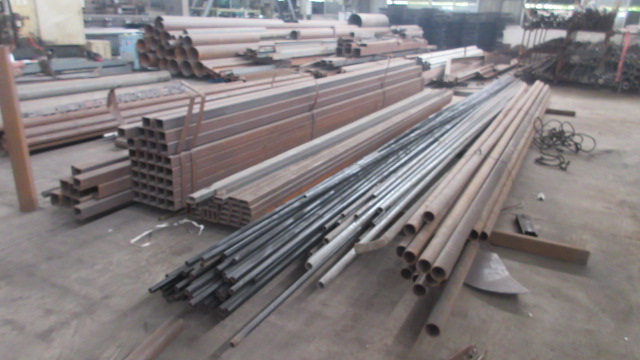
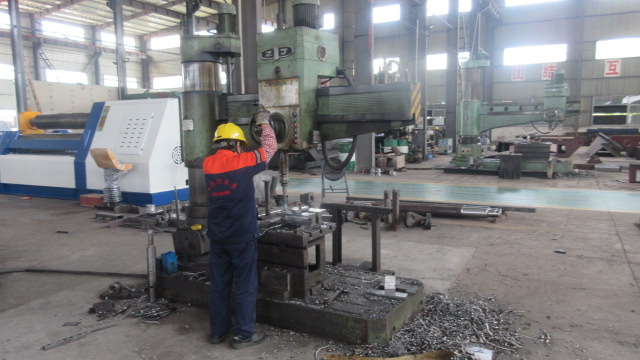
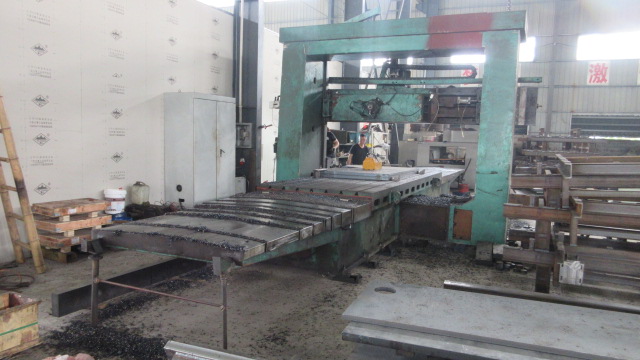
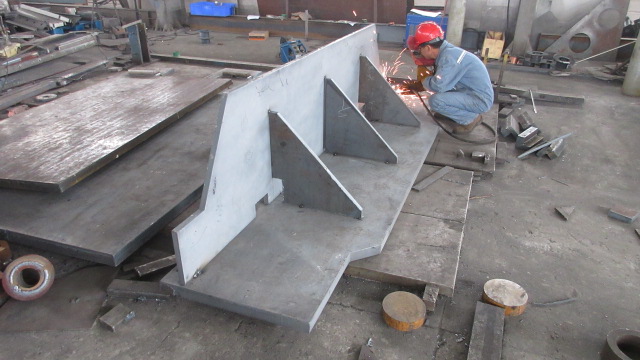
Inside Shandong AcuTek CNC Co., Ltd. – A modern facility engineered for high-performance CNC design, manufacturing, and global distribution.
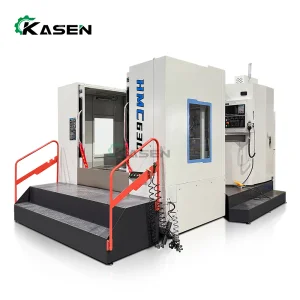
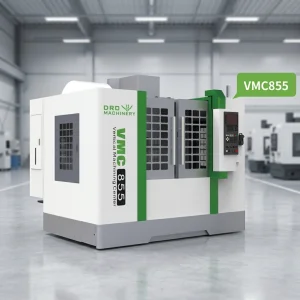
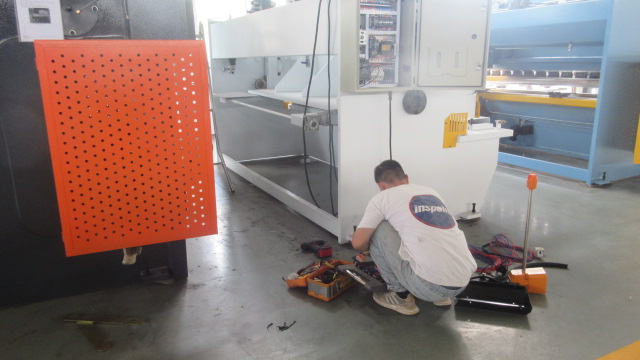
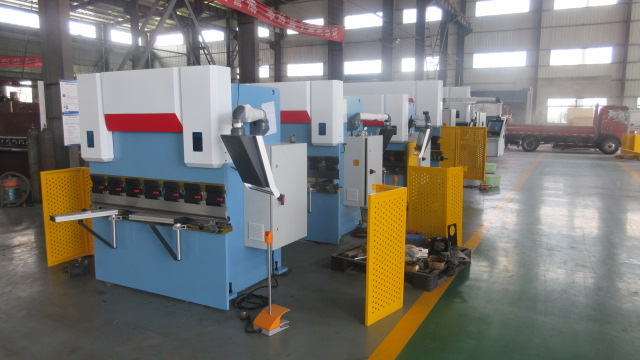
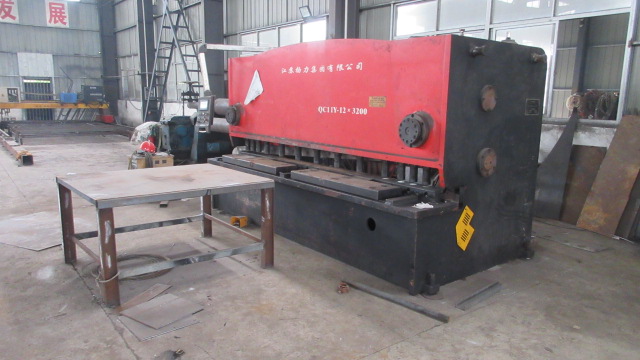
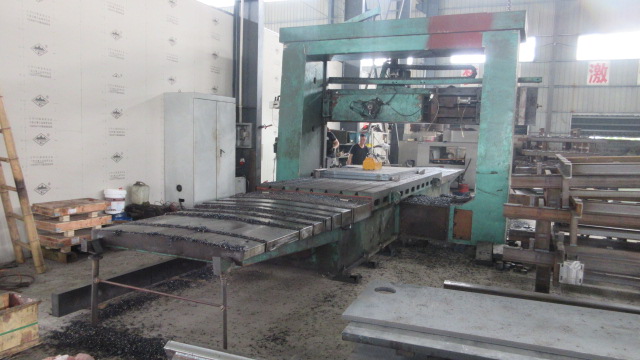
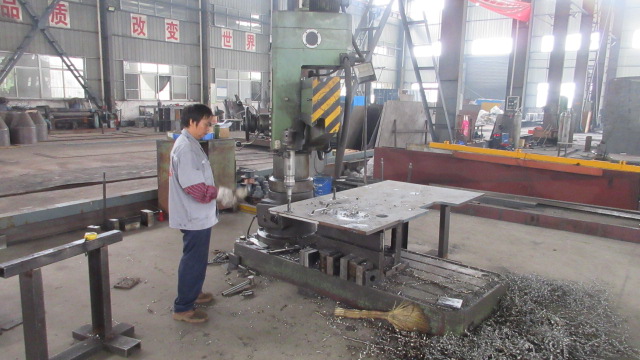
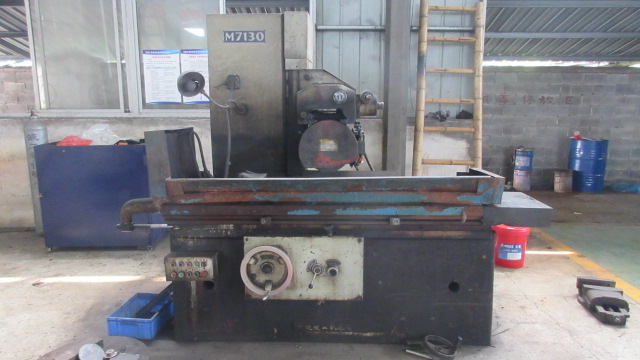
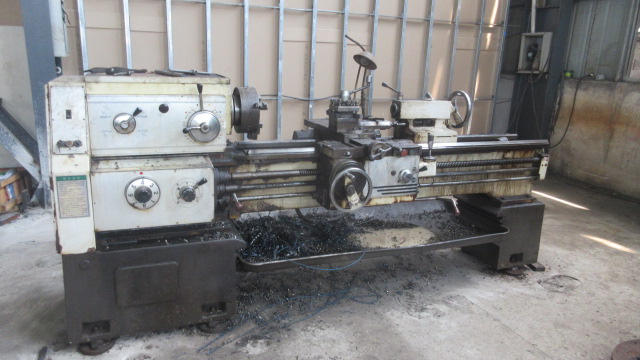
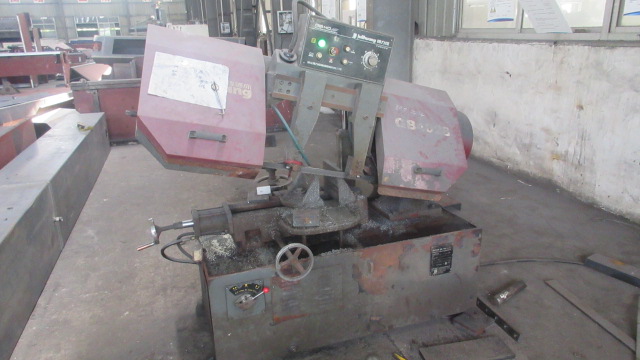
Shandong AcuTek CNC Co., Ltd. is a professional CNC machine tool manufacturer with its own modern production facility covering an area of over 60,000 square meters. The company is dedicated to the design, manufacturing, and global supply of high-performance CNC equipment, supported by strong engineering capability and advanced production resources. Equipped with a full range of precision manufacturing and processing equipment, the factory features high-precision CNC machining centers, CNC lathes, conventional lathes, milling machines, gantry-type CNC machining centers, grinding machines, and radial drilling machines. With a strict quality control system in place, the company ensures high precision, stable performance, and long service life across all product lines.
The product portfolio includes CNC machining centers, CNC lathes, conventional machine tools, milling machines, gantry machining centers, grinding machines, and drilling machines. These machines are widely used in automotive parts manufacturing, mold processing, machinery production, and general industrial applications. Having developed a strong international presence, products are exported to Russia, India, South Africa, Vietnam, Peru, the United States, and other countries. To support these deployments, AcuTek has established dedicated sales and after-sales service networks in the United Kingdom, Germany, Poland, Australia, and beyond. Backed by international compliance certifications, 24/7 technical support, and a comprehensive 2-year warranty on all machines, the company is committed to delivering long-term value creation.
Bridging custom manufacturing capabilities with diverse end-user sector environments worldwide.
From custom chassis mounts to high-volume stamping dies and precision-milled engine blocks, automotive tiers rely on stable, heavy-duty machinery. The application of high-rigidity gantry setups ensures tooling profiles remain exact, mitigating vibration anomalies during high-speed feed cycles.
Machining complex aero-alloys such as titanium, Inconel, and aircraft-grade aluminum demands robust spindle assemblies. Incorporating high-speed Mitsubishi systems running up to 20,000rpm facilitates efficient slotting, pocket milling, and contouring of structural ribs and bulkheads.
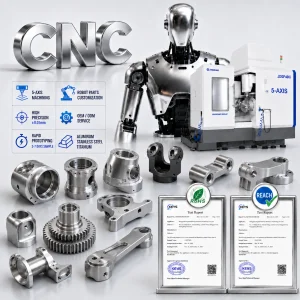
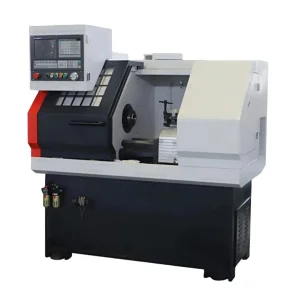
Surgical implants and robotic joint arm parts require component surfaces to be free of tooling marks. Through precision flat-bed CNC lathes and fine-grinding machinery, complex geometries are turned within micron tolerances, satisfying strict global healthcare regulatory compliance standards.
The industrial landscape is transforming rapidly. Discover the technological paradigms defining the next decade of metal fabrication.
As smart factories move toward fully automated production, the integration of Internet of Things (IoT) and AI-assisted diagnostics into CNC controllers is becoming standard practice. Modern CNC machines no longer function in isolation; they are connected directly to enterprise resource planning (ERP) networks, feeding run-time diagnostics, load conditions, and tool-wear indicators to centralized monitoring systems. This prevents unscheduled downtime and optimizes overall equipment effectiveness (OEE).
Simultaneously, the demand for green manufacturing has accelerated structural changes in drive systems. Traditional hydraulic dynamics are being phased out in favor of energy-efficient direct-drive servo setups and regenerative braking systems. This trend drastically reduces power consumption during deceleration phases, enabling plants to meet modern carbon-offset mandates while lowering overall operating expenses.
| Technology Vector | Industrial Impact | Standard Implementation |
|---|---|---|
| Smart Diagnostics | Predictive maintenance alerts | IoT CNC Controller modules |
| High-Power Fibers | Unmatched sheet metal processing speeds | Gantry stress-relieved frames |
| Multi-Axis Milling | One-setup complex geometry machining | 5-Axis vertical centers |
| Eco-Efficient Drives | Up to 30% reduction in power draw | Direct-drive servo configurations |
Detailed technical answers to the most common questions regarding CNC machinery configurations and sourcing from China.
High-power fiber lasers operate with dynamic accelerations exceeding 1.5G. Without a robust, stress-relieved gantry frame (such as those engineered via premium welding, milling, and grinding steps), structural vibrations will occur during direction changes. This vibration distorts the laser beam path, leading to kerf variations, rough cut edges, and accelerated wear on linear guide systems.
The taper size determines the tool holding strength and rigidity. A BT40 spindle taper is ideal for high-speed machining, finishing passes, and lighter materials like aluminum (commonly running up to 12,000–20,000rpm). In contrast, a BT50 spindle taper features a larger diameter and mass, making it suitable for heavy-duty metal removal, deep pocket milling, and hard alloys like steel and cast iron, where maximum torque is required at lower rotational speeds.
Fanuc and Siemens are global standards offering robust support, stable processing algorithms, and deep customization features, though they come with a higher initial investment. Domestic systems like GSK offer competitive cost-to-performance ratios and are highly reliable for basic to intermediate 3-axis and 4-axis tasks. Sourcing machinery with an globally recognized controller ensures localized operator familiarity and easier sourcing of replacement parts.
Quality assurance begins with raw material inspections and continues through each step of production (Drilling, Milling, Welding, Painting, Assembly). Finished products undergo coordinate measuring machine (CMM) testing, laser interferometer calibration to verify positioning accuracy, and dynamic test runs under load conditions for at least 48 to 72 hours before dispatch.
Industrial hubs in Shandong and Dongguan cluster casting foundries, linear guideway fabricators, sheet metal fabricators, and sub-assembly suppliers within close proximity. This localized network enables fast customization of machine frames, paint colors, and spindle configurations without the typical logistics bottlenecks seen in other regions.
Complete your production line with high-rigidity multi-axis frames, mini-routers, and intelligent horizontal lathes.
 AcuTek CNC