Explore high-performance machine tools engineered to support automated fabrication, high-speed milling, and precision metal shaping.
Addressing structural integrity, modern construction standards, and high-efficiency raw metal fabrication.
In modern industrial architectural engineering, structural integrity remains a non-negotiable benchmark. The global shift toward super-tall high-rises, expansive multi-tier industrial plants, specialized logistics facilities, and large-span public infrastructure demands structural steel components of unparalleled load-bearing capacities. Historically, fabricated H-beams, structural channels, and T-beams relied on intensive manual layout, manual positioning, and segmented arc-welding operations. These traditional approaches frequently generated critical failure vectors: thermal deformation, uneven weld-seam penetration, sub-optimal flange-to-web bonding strength, and severe material waste.
CNC Welded Beam Machines have emerged as the absolute technological standard to mitigate these structural concerns. By merging digital numerical control (CNC), high-efficiency automated structural positioning, and advanced welding heads (such as Submerged Arc Welding or Laser-Hybrid systems), these manufacturing installations execute high-capacity output with zero deviation from design specifications. Industrial procurement teams and engineering leads are pivoting away from simple sub-contracted components and investing directly in integrated automated processing lines. This strategic shift guarantees complete compliance with tight project delivery schedules, localized safety codes, and rigorous global building standards.
When engineering departments specify CNC Welded Beam lines, they require comprehensive structural integration. A robust machine must handle varying flange widths, web heights, and plate thicknesses without undergoing extensive manual retooling. Key configurations deployed globally include:
The technological horizon of intelligent structural fabrication, sensory networks, and adaptive control systems.
The manufacturing paradigms for structural steel are undergoing deep digital transformation. As global factories transition from simple mechanical automation to intelligent cyber-physical systems, CNC Welded Beam Machines are evolving along a clear technological roadmap. The days of rigid, pre-programmed path tracking are giving way to dynamic, sensor-rich systems that respond to variations in real-time.
Modern steel raw plates frequently exhibit minute surface inconsistencies, variations in rust prevention primers, and minor warping from initial cutting stages. Next-generation beam machines incorporate high-definition, multi-axis optical laser tracking systems mounted directly ahead of the welding torch. These systems scan the joint geometry in millisecond intervals, automatically adjusting the CNC positioning axis and wire-feed speed to compensate for groove width variations. This prevents weld undercuts, root gaps, and incomplete fusion, ensuring near-zero defect rates even on high-strength alloys.
Artificial Intelligence is changing how thermal dynamics are managed. By training machine learning models on thermal dissipation coefficients across varying steel grades (such as ASTM A36, Q345B, or high-tensile Q460), future machines adjust welding currents, voltages, and traveling speeds dynamically. The system acts as an expert digital operator, anticipating heat build-up and adapting cooling cycles or clamping pressures to eliminate structural distortion altogether.
Environmental sustainability is becoming a primary regulatory driver. Future machinery developments concentrate on fully enclosed welding chambers equipped with particulate extraction, integrated high-efficiency air scrubbers, and vacuum-powered dry flux reclamation systems. These systems capture up to 98% of unused submerged arc flux, returning it directly to the hopper and minimizing material waste, airborne dust, and factory floor contamination.
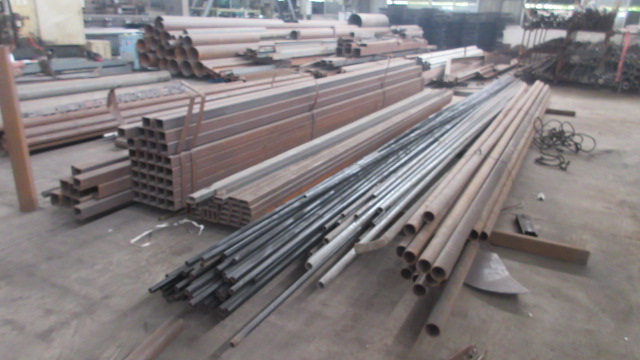
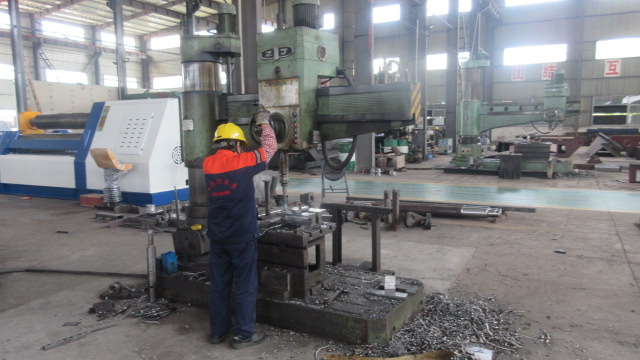
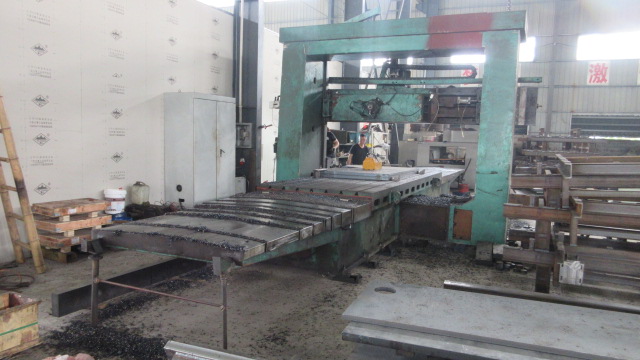
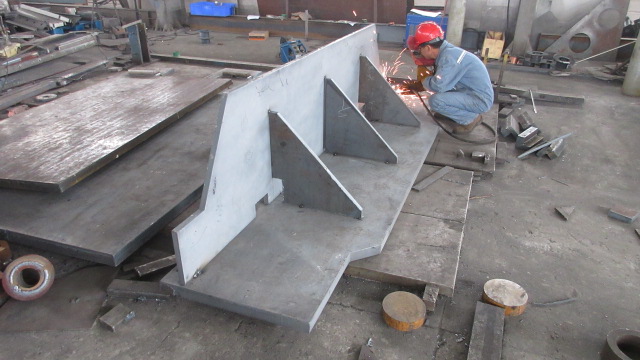
How raw metal components are processed, machined, and quality-assured at our modern 60,000 sqm facility.
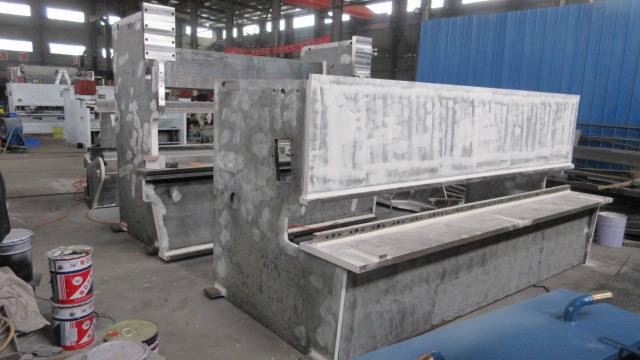
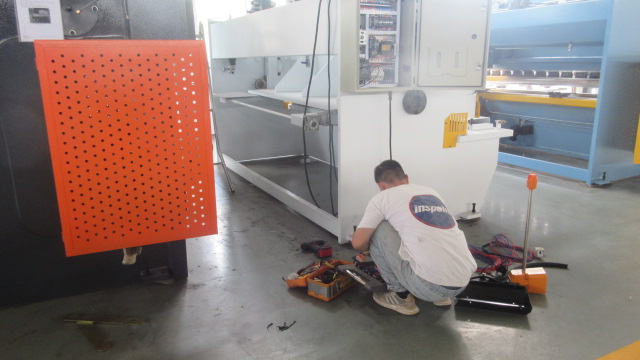
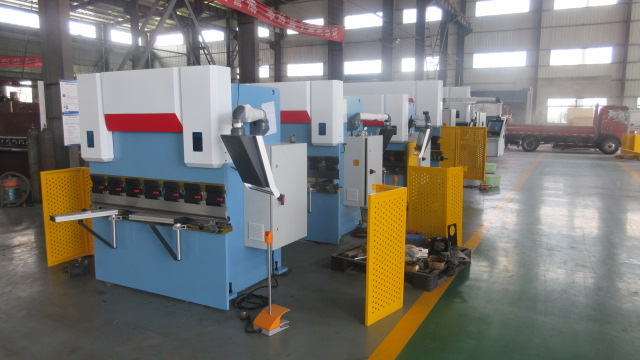
An authoritative global manufacturer delivering high-end CNC systems with absolute supply chain resilience.
Shandong AcuTek CNC Co., Ltd. stands as a professional, globally recognized CNC machine tool manufacturer. Operating from a modern production facility spanning over 60,000 square meters, the company seamlessly handles the entire lifecycle of CNC machinery—from conceptual engineering and heavy assembly to international export and onsite commissioning. Supported by deep in-house engineering and extensive manufacturing assets, AcuTek provides heavy industries with stable, high-performance equipment designed to endure decades of continuous use.
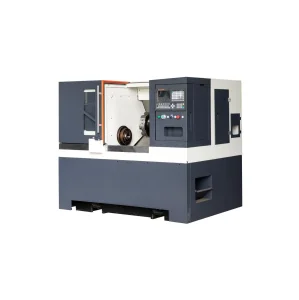
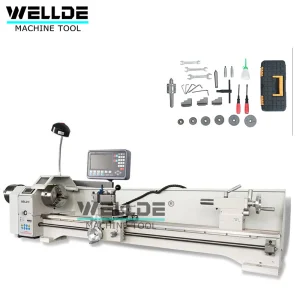
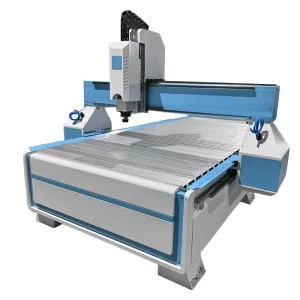
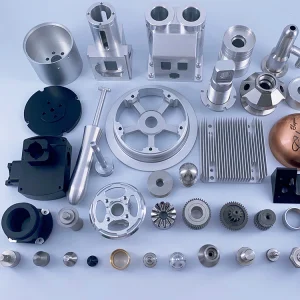
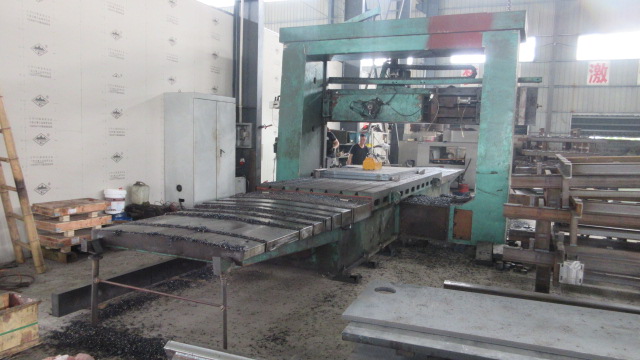
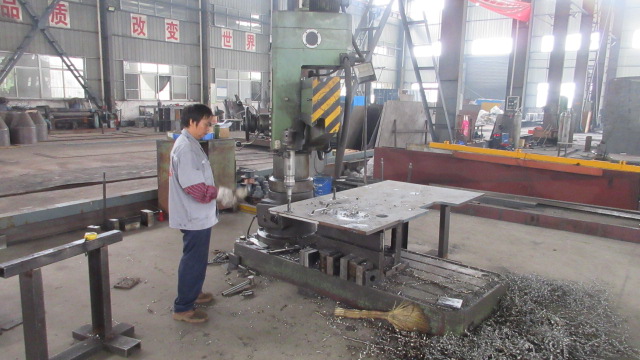
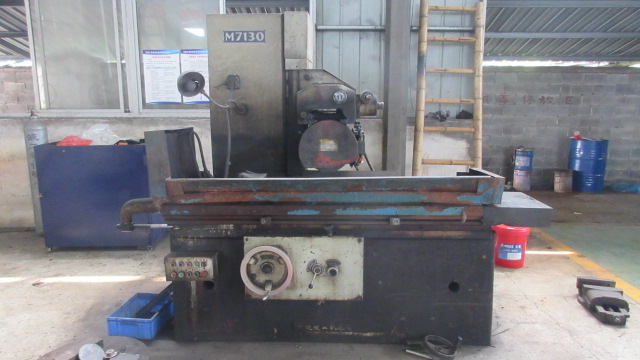
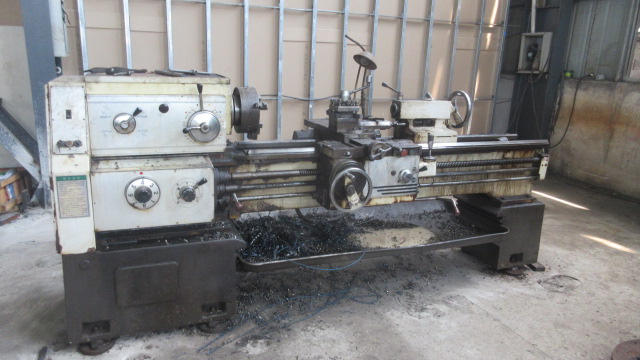
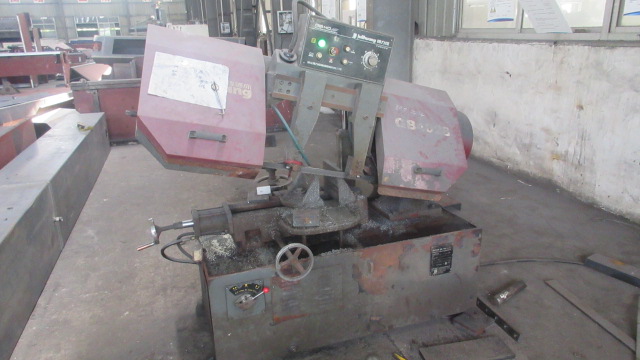
Our production floor is outfitted with a full suite of precision processing and fabrication systems, ensuring we maintain absolute control over components quality without relying on third-party shops. These tools include advanced CNC machining centers, high-capacity CNC lathes, conventional lathes, milling machines, gantry-type CNC machining centers, grinding machines, and radial drilling machines. By maintaining a strict quality management system, we ensure that every machine leaving the factory delivers high precision, reliable runouts, and extended service life.
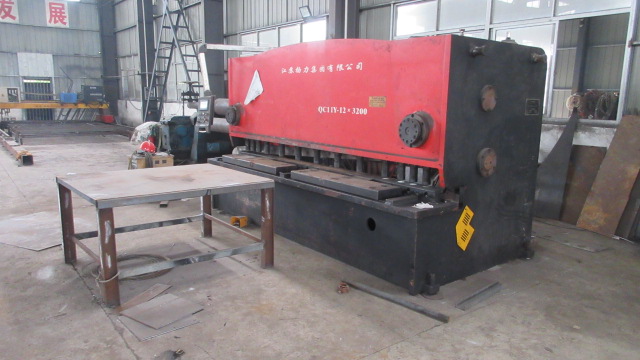
Providing industrial buyers with risk-free procurement paths and complete regulatory alignment.
AcuTek CNC's products are widely exported to Russia, India, South Africa, Vietnam, Peru, the United States, and other countries and regions. To ensure prompt onsite assistance and rapid parts delivery, the company has established active sales and technical support networks in the United Kingdom, Germany, Poland, Australia, and several other countries, with its international support footprint continuously expanding.
All machinery meets strict international standards and has obtained the necessary compliance certifications required for legal operation in Western Europe and North America. Every machine in our lineup is covered by a comprehensive 2-year warranty, backed by our 24/7 remote engineering support team. Whether you require PLC programming adjustments, operator training, or spare parts dispatch, our global customer service division ensures minimal downtime for your manufacturing lines.
Get answers to critical technical questions concerning CNC welded beam machines, material capacities, and system setups.
Complementing our beam production lines, these precision tool systems handle heavy-duty turning, milling, and custom mechanical machining.
 AcuTek CNC