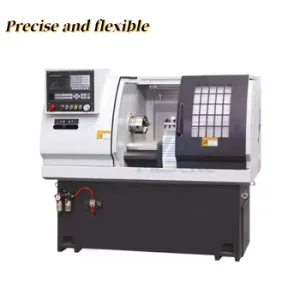
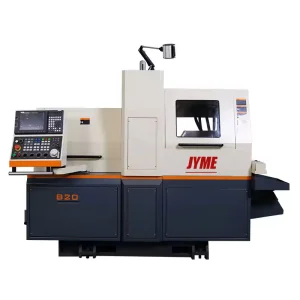
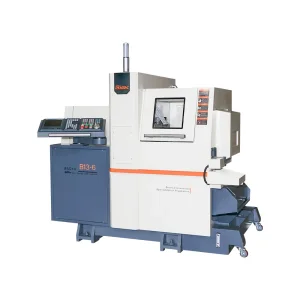
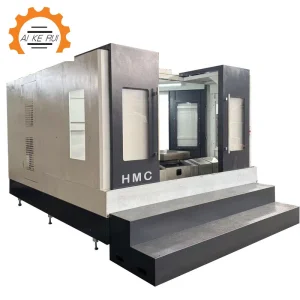
Explore our leading production solutions engineered for high rigidity, micro-precision tolerances, and continuous industrial operations.
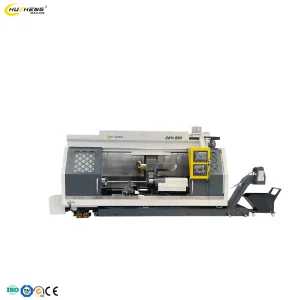
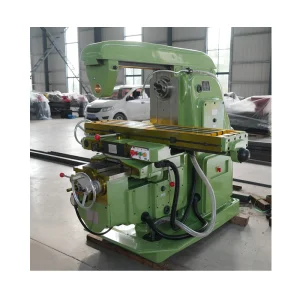
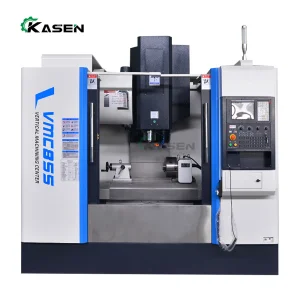
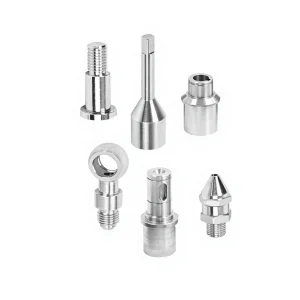
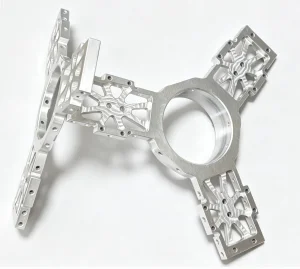
As a leading authority in precision manufacturing, Shandong AcuTek CNC Co., Ltd. operates a state-of-the-art facility spanning over 60,000 square meters. We represent the pinnacle of Chinese engineering capability, bringing robust, high-performance CNC equipment designed to meet the rigorous standards of global industry networks.
Our infrastructure incorporates advanced manufacturing tools that ensure unparalleled geometric accuracy, thermal stability, and prolonged service lives. We cater directly to the demanding needs of aerospace, automotive, heavy machinery, and precision mold industries by maintaining strict engineering protocols from raw materials to final functional inspections.
The manufacturing sector is undergoing rapid evolution. AcuTek CNC integrates modern advancements directly into our product designs to keep our global clients competitive.
Modern production requirements favor systems that can execute turning, milling, drilling, and tapping on a single platform. Swiss-type turn-mill composite centers reduce component handling, eliminating setup errors and dramatically increasing cycle efficiency.
Thermal displacement caused by high spindle speeds and friction is a challenge in precision machining. High-grade CNC machining centers now utilize real-time temperature compensation sensors coupled with structural coolant jacketing to maintain sub-micron stability.
Industry 4.0 implementation demands zero-operator intervention over long production intervals. The integration of robotic arms, pallet pools, automatic tool changers (ATC), and bar feeders is standard for high-volume modern facilities.
Industrial procurement departments prioritize factors beyond raw speed. Our engineering team addresses structural longevity, reliability, and precision maintenance.
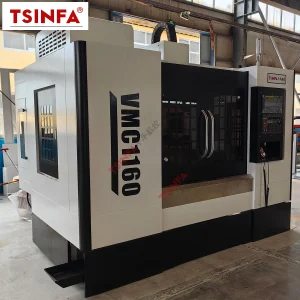
High-volume components such as cylinder blocks, transmission cases, and complex EV motor housings require ultra-rigid vertical and horizontal machining centers. The primary demand is high torque at lower RPMs for roughing, coupled with rapid tool changeovers to maintain high productivity rates.
Mold components require flawless surface finishes (smooth roughness measurements) and excellent dimensional accuracy. High-speed spindle units running at 12,000 to 24,000 RPM are mandatory, accompanied by high-end control algorithms capable of continuous look-ahead path smoothing.
Bone screws, dental implants, and surgical components require compact machining footprint, complex profiles, and processing capabilities for hard materials like titanium and stainless steel. Swiss-type turning and milling centers provide the exact tooling densities and secondary operation capacity required.
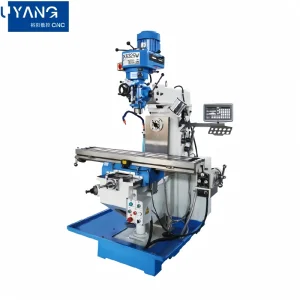
Job shops require versatile, cost-effective machines that can adapt to rapid production variations. Standard CNC vertical machining centers and universal milling machines offer the flexibility to handle aluminum, brass, structural steels, and polymers with minimal changeover times.
Quality is engineered systematically at every stage. We control the complete assembly lifecycle, utilizing premium equipment and precision inspection protocols.
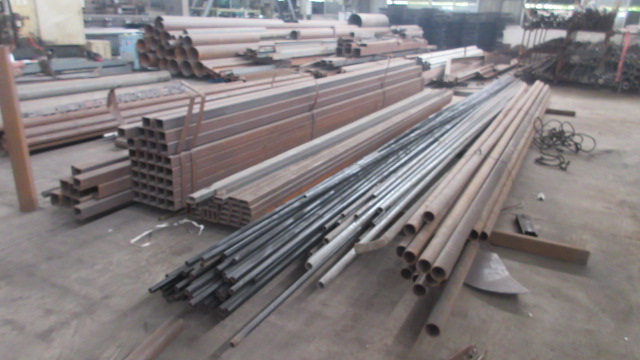
Strict inspection of raw castings and high-tensile structural steel plates.
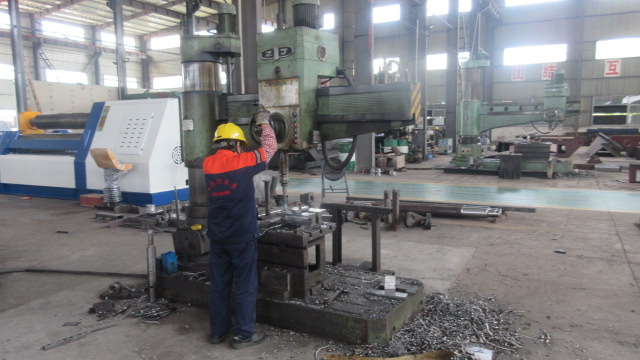
CNC deep hole drilling to ensure perfect fluid pathways and bolt alignments.
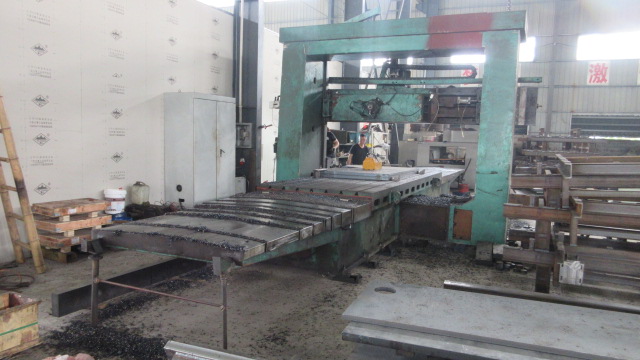
Heavy milling of structural bases using specialized high-precision machinery.
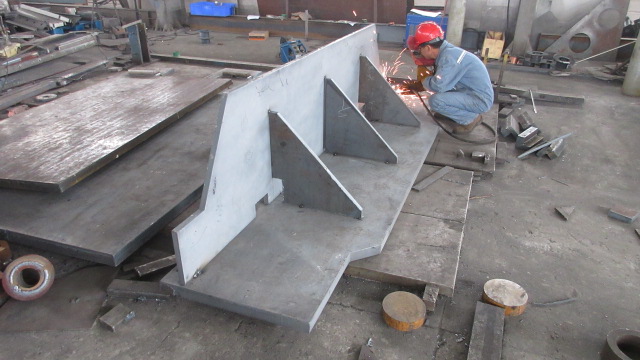
Welding steps followed by stress-relief annealing to eliminate inner tensions.
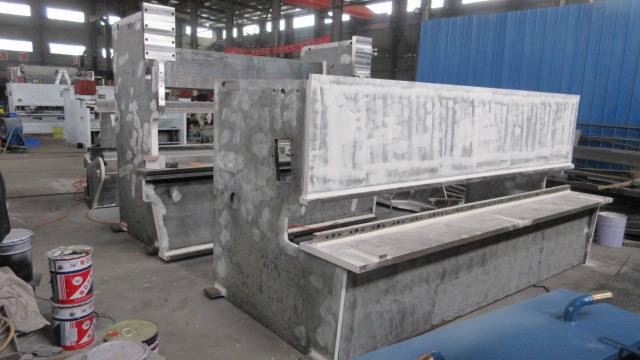
Corrosion-resistant primer coats and high-gloss protective paint finishes.
Careful integration of linear guideways, ball screws, and electrical control panels.
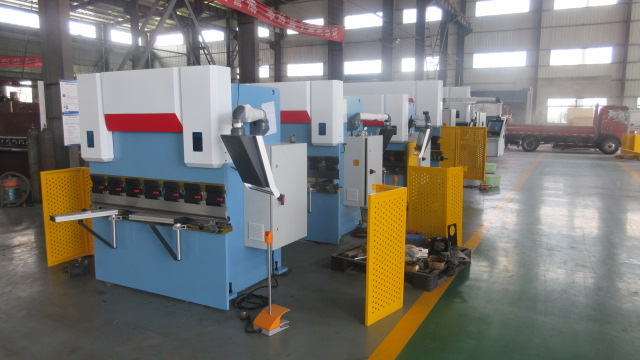
Rigorous testing, including laser interferometer checks, before packing.
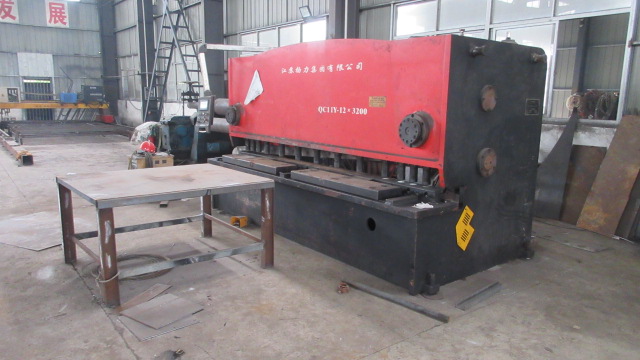
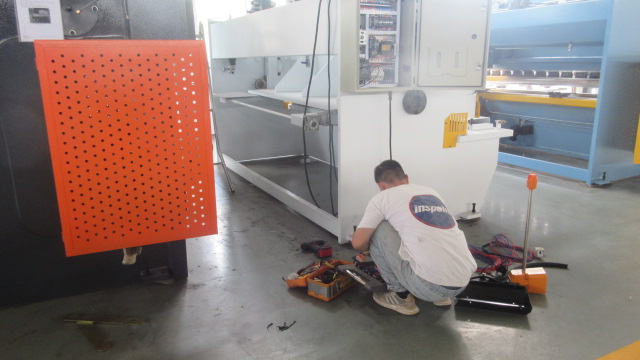
High-force shears processing steel structural plates for custom machine covers.
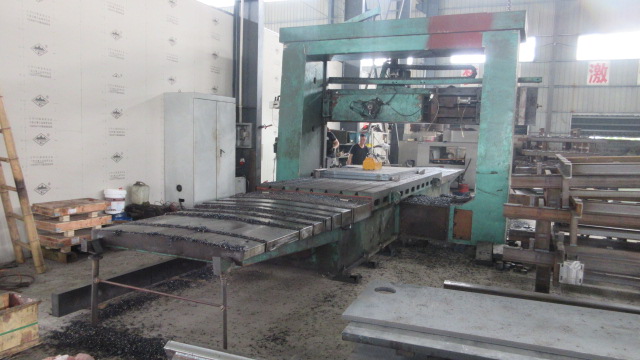
Precision manufacturing of cast iron slides and columns in-house.
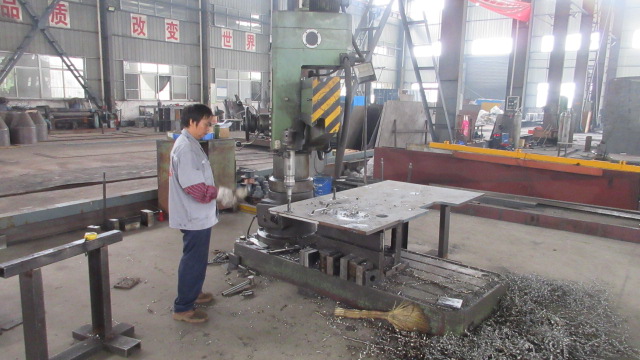
Large drilling capabilities to manage machine foundations and bed designs.
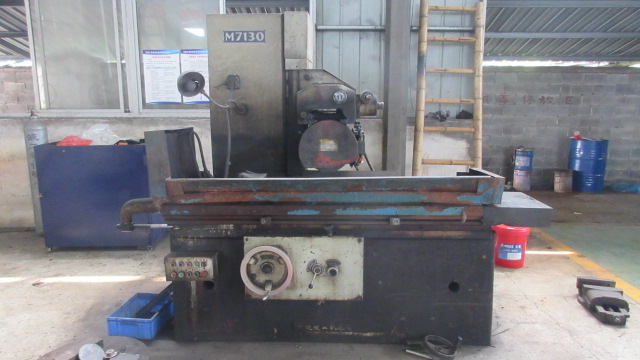
Micron-precision surface grinding of linear guide mounting pads.
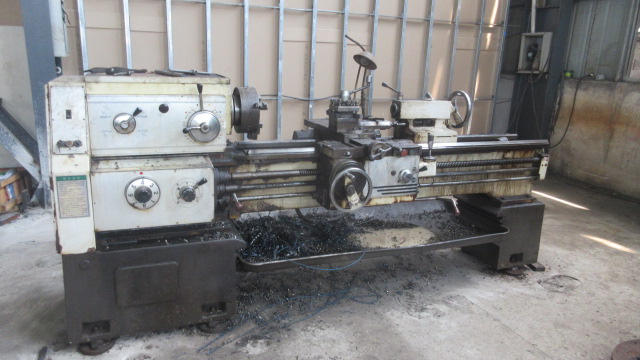
Turning support components, centering pins, and custom fixture assemblies.
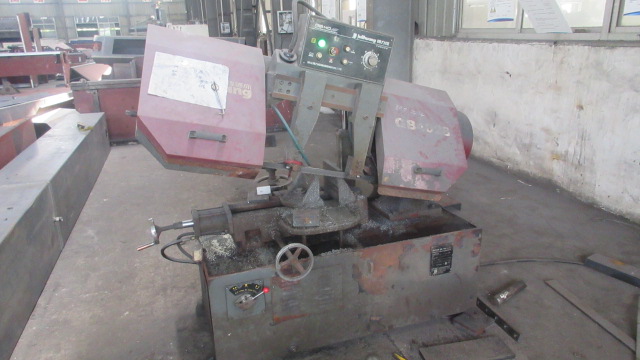
Accurate sizing of solid steel bar stocks for spindles and tool holders.
We recognize that procurement does not end at shipping. Shandong AcuTek CNC has developed an expansive international system to ensure that all purchased CNC centers are integrated, calibrated, and maintained according to local operating guidelines.
Our export network spans across the globe, including key markets such as the United States, Germany, Poland, Australia, Russia, India, South Africa, Vietnam, and Peru. To guarantee localized response speeds, we have established service centers in the United Kingdom, Germany, Poland, and Australia, helping to eliminate language barriers and time zone delays.
When importing a CNC machining center from China, ensure the supplier provides verification for:
Prevents structural deformation over years of operation.
Native integration of Fanuc, Siemens, or Syntec systems.
Standardizing components for regional electrical inputs (e.g. 480V 3-phase).
Local stockpiles of wear items like belts, tool change fingers, and wipers.
AcuTek CNC is dedicated to continuous R&D. Our engineers are implementing cutting-edge technologies that will shape the future of manufacturing.
By monitoring power draws, spindle vibrations, and axis torque loads, our next-generation control systems can anticipate component failure before it impacts production, reducing unexpected downtime.
Real-time cutting force adjustments protect thin-wall tools during aggressive roughing cuts and dynamically accelerate feeds when cutting resistance decreases, saving valuable cycle seconds.
Developing frictionless direct-drive rotary axes for 5-axis systems, removing backlash and mechanical wear from gear drives while improving surface quality on complex organic shapes.
Get professional, engineering-based answers to key questions about sourcing, operating, and maintaining industrial CNC machining centers.
A standard 3-axis center operates along the X, Y, and Z linear directions. A 4-axis machine introduces an additional rotational axis (often a rotary table, referred to as the A or B axis), which allows cylindrical indexing and engraving. A 5-axis machining center uses two rotational axes (e.g., A/B or B/C via a tilting head or trunion table), allowing the cutting tool to remain perpendicular to complex surfaces, which is critical for aerospace impellers and modern die designs.
Our machine beds are built using high-grade HT300 cast iron, which is subjected to rigorous aging processes to release internal stresses. We use Finite Element Analysis (FEA) to reinforce columns and structural cross-ribs. Key components, such as linear guides, ballscrews, and spindle bearings, are sourced from certified global partners to prevent micro-deflections during heavy cutting loads.
We provide extensive OEM customization, including options for spindle speeds (BT40/BT50, belt-drive, direct-drive, or built-in motor spindles), tool storage capacities (16T to 30T, armless carousel or arm-type drum), control platforms (FANUC, Siemens, Syntec, or GSK), chip conveyor systems (chain-type or screw-type), and integration of high-pressure coolant through spindle (CTS) systems up to 70 bar.
Every export machine is manufactured to meet CE certification standards, using approved electrical layouts, safety interlocks, and protective sheet metal enclosures. We coordinate safe export packaging (using vacuum barrier bags and structural wooden crates) and handle customs documentation to ensure smooth import procedures at the destination port.
We offer a 2-year warranty on all machines, along with lifetime technical support. For initial setup, we provide detailed step-by-step video manuals, remote engineering support, and connection diagrams. When required, our local service networks (in Germany, Poland, UK, and Australia) can provide on-site technicians for commissioning, laser calibration, and basic operation training.
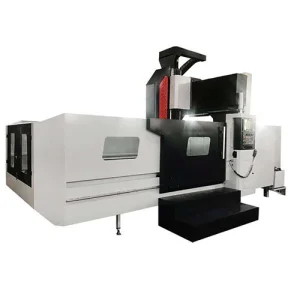
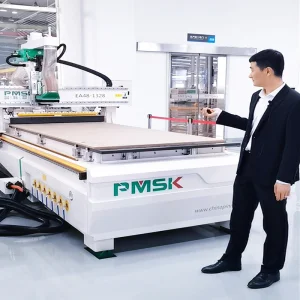
Explore our heavy-capacity and automated multi-functional machining systems optimized for heavy industries and serial production environments.
 AcuTek CNC