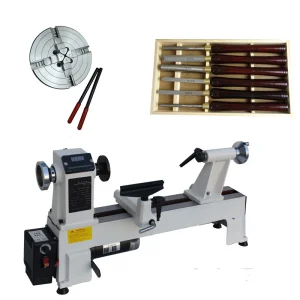
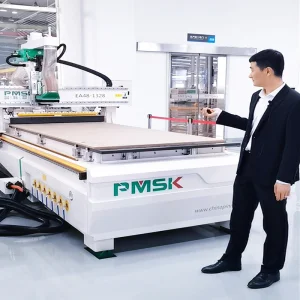
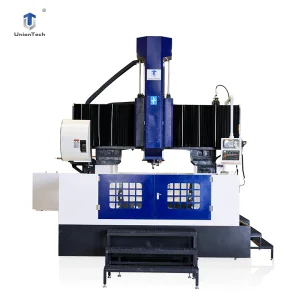
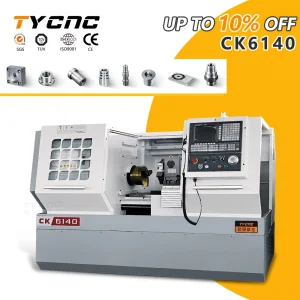
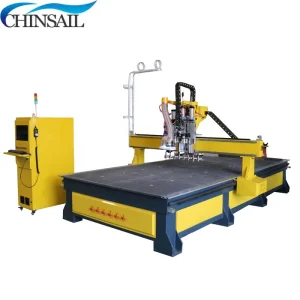
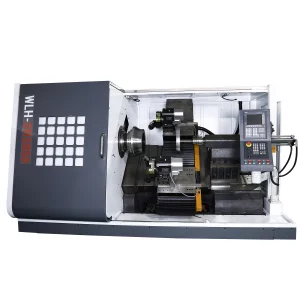
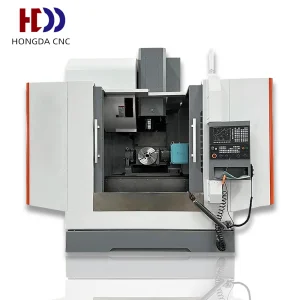
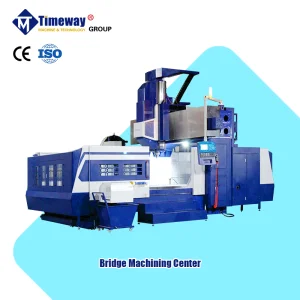
Explore our premium product portfolio designed for high-efficiency metal forming, wood engraving, manual turning, and 5-axis machining.
Sqm Production Facility
Comprehensive Warranty
Global Engineering Support
Exporting Nations & Regions
In-depth analysis of CNC angle iron cutting systems, manufacturing efficiency, and structural fabrication global shifts.
The global steel fabrication market has transitioned from manual processing to advanced computer numerical control (CNC) systems. Angle steel (L-profiles) is one of the most widely used materials in electrical power transmission tower lines, photovoltaic solar tracker mounts, telecommunications steel structures, shipbuilding, and heavy warehouse storage systems. Historically, processing these thick materials involved independent marking, manual layout measuring, punching press setups, and mechanical cutting with standard band saws or shear machines. This fragmented procedure introduced compounding tolerances, long cycle times, and excessive scrap material.
Industrial demand has shifted towards integrated, high-throughput systems that perform multi-step processes dynamically. The introduction of CNC Angle Iron Cutting, Punching, and Marking lines has reduced human error by integrating CAD/CAM nesting algorithms directly with raw beam loading systems. Manufacturers in major economic regions are focusing on improving yield rates. With volatile steel raw material prices, dynamic nesting capabilities ensure that remnants from long beams (commonly up to 12 meters in lengths) are minimized to less than 1.5%. Consequently, structural steel fabrication shops looking for scaling benefits are sourcing from dependable Chinese wholesale suppliers to acquire high-rigidity machines that blend cost-efficiency with high processing accuracy.
Information Gain Insight: The modern industry standard is no longer limited to "cutting". Advanced lines now incorporate marking/stamping heads, hydraulic multi-die punch units, and fiber laser headers in a single unit. This prevents the displacement of heavy structural workpieces between operations, ensuring precision tolerances within +/- 0.5mm across the entire workpiece length.
Three main parameters dominate the technical roadmap for the development of modern CNC angle iron systems:
How different global industrial clusters leverage custom-configured machinery to meet unique performance standards.
In regions expanding high-voltage transmission lines (such as Southeast Asia and South America), angle iron thickness ranges from 10mm to 25mm. Our equipment supports high-tensile material processing (e.g., Q355, Q420 steel grades) without compromising punch die life or structural frame rigidity.
For North American and European utility-scale solar farms, mounting components require rapid processing of smaller, galvanized L-profiles. In these scenarios, high production throughput and high-speed CNC punching operations take priority over maximum shearing thickness.
Warehouse structures and prefab modular buildings require high accuracy for mechanical assembly joints. CNC angle systems process pre-programmed CAD drawings instantly via integrated CNC controllers, preventing misalignment of bolt hole patterns during structural assembly.
A look at the step-by-step procedures implemented in our 60,000+ sqm manufacturing facility to ensure reliable machine build quality.
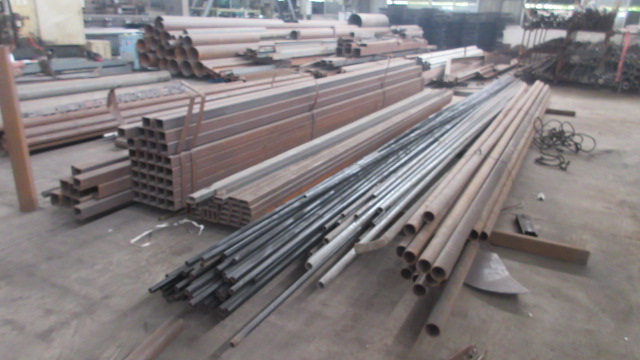
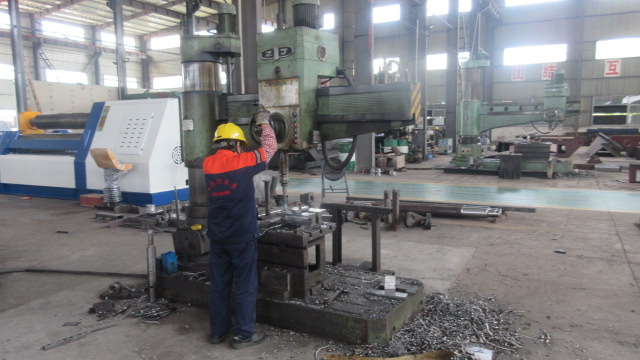
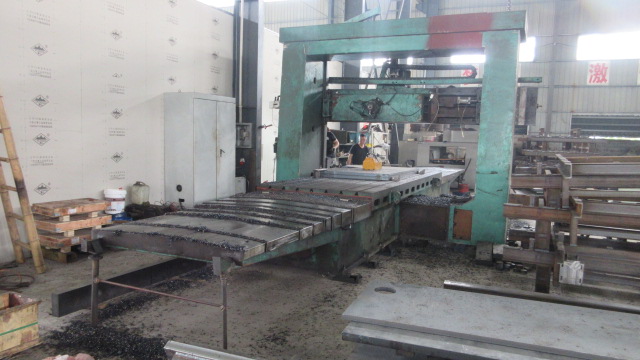
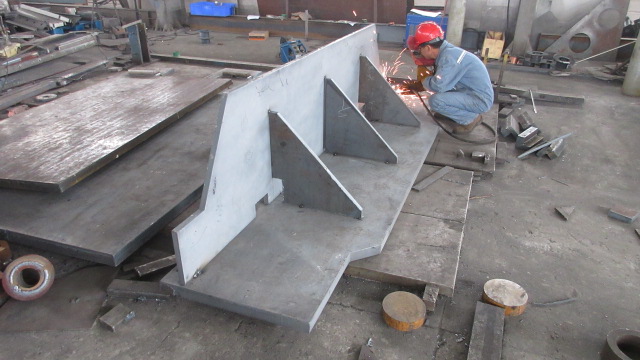
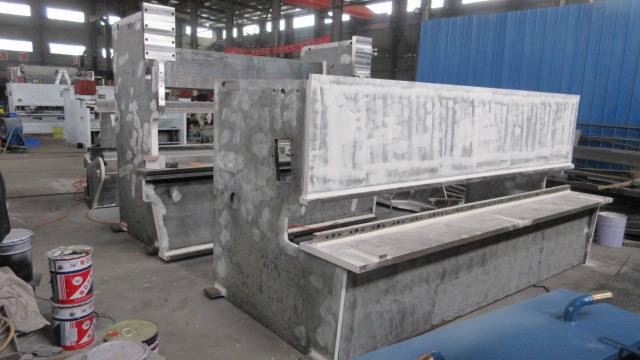
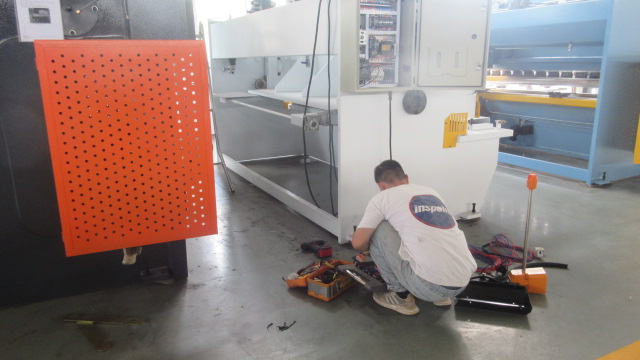
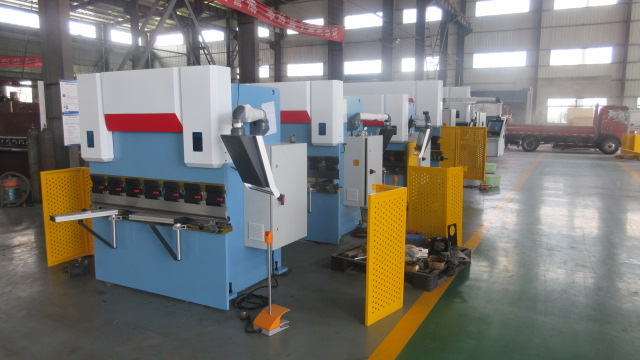
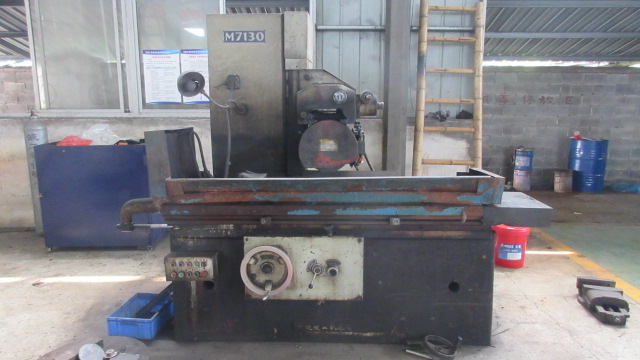
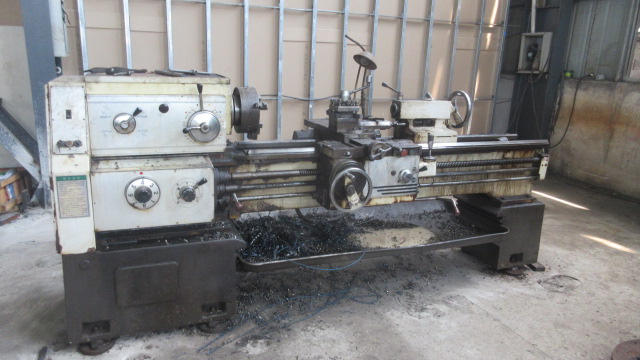
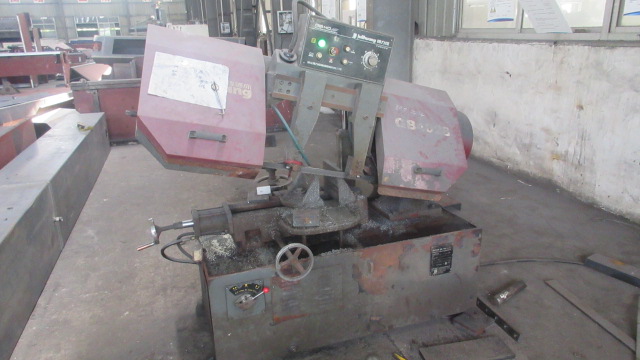
Our workshop is equipped with standard and specialized machinery lines to ensure strict control over core component dimensional accuracy.
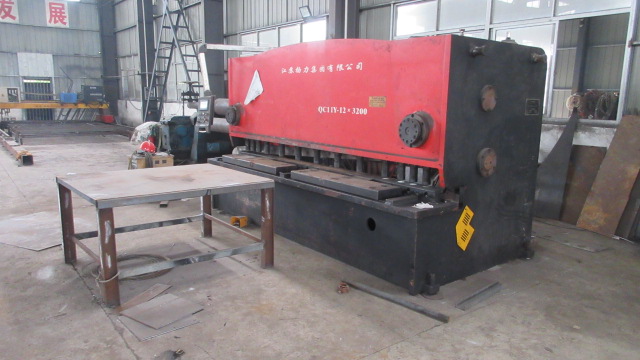
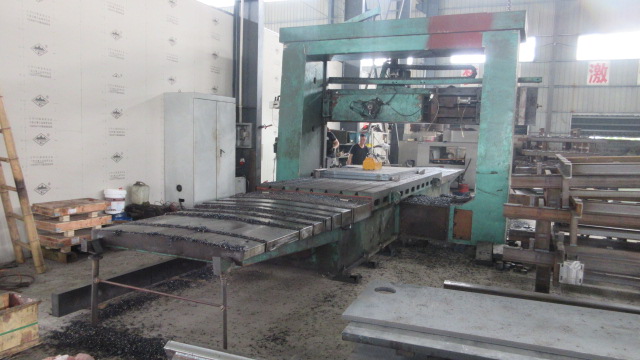
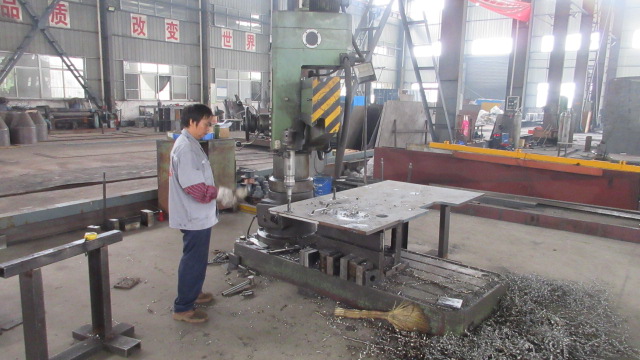
Our technical capabilities, quality standards, and commitment to global customer service.
Shandong AcuTek CNC Co., Ltd. is a professional CNC machine tool manufacturer with its own modern production facility covering an area of over 60,000 square meters. The company is dedicated to the design, manufacturing, and global supply of high-performance CNC equipment, supported by strong engineering capability and advanced production resources.
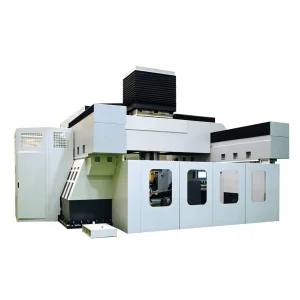
The factory is equipped with a full range of precision manufacturing and processing equipment, including CNC machining centers, CNC lathes, conventional lathes, milling machines, gantry-type CNC machining centers, grinding machines, and radial drilling machines. With a strict quality control system in place, the company ensures high precision, stable performance, and long service life across all product lines. Our product portfolio includes CNC machining centers, CNC lathes, conventional machine tools, milling machines, gantry machining centers, grinding machines, and drilling machines. These machines are widely used in automotive parts manufacturing, mold processing, machinery production, and general industrial applications.
Shandong AcuTek CNC Co., Ltd. has developed a strong international presence, with its products exported to Russia, India, South Africa, Vietnam, Peru, the United States, and other countries and regions. To enhance global service capabilities, the company has established sales and after-sales service networks in the United Kingdom, Germany, Poland, Australia, and several other countries, with its international support system continuing to expand.
Many of the company’s products have obtained relevant international certifications, ensuring compliance with different market standards and customer requirements. At the same time, the company places great importance on customer service, offering 24/7 technical support and a 2-year warranty on all machines, ensuring reliable operation and timely assistance throughout the product lifecycle. Guided by the business philosophy of “integrity first and customer foremost,” Shandong AcuTek CNC Co., Ltd. is committed to continuous innovation, improved manufacturing capabilities, and long-term value creation. The company aims to provide reliable, efficient, and cost-effective CNC solutions to global customers and to build sustainable partnerships worldwide.
How digital twins, high-speed fiber optics, and dynamic nesting algorithms shape the future of CNC angle steel lines.
The roadmap for heavy-duty angle processing machines is characterized by automation and sensor integration. Future machinery lines will focus on key developments such as:
Direct technical answers addressing the key mechanical and operational inquiries of industrial engineering teams.
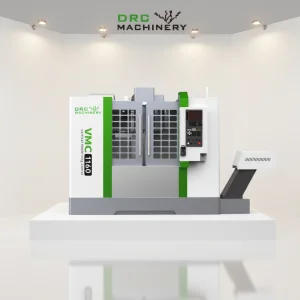
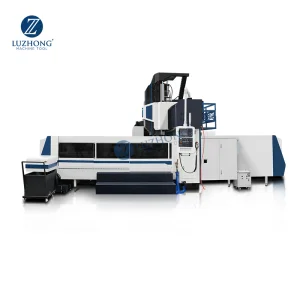
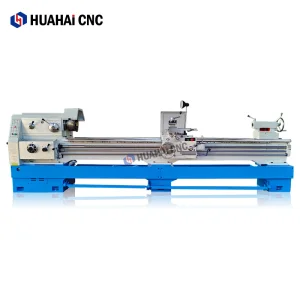
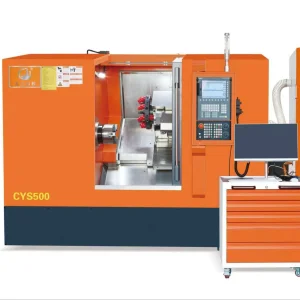
Explore the remainder of our specialized CNC equipment, including high-precision multi-axis routers, gantry machining centers, and heavy-duty turning lathes.
 AcuTek CNC