Explore our premium grade machine tools engineered for superior tolerances, high speed, and lasting performance in modern industrial settings.
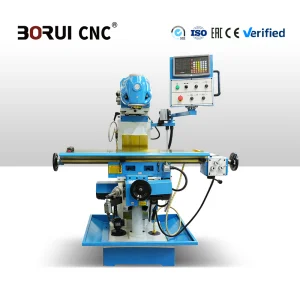
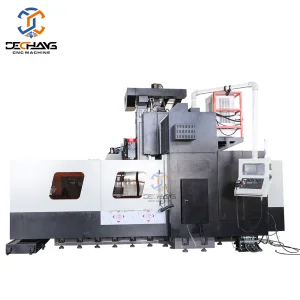
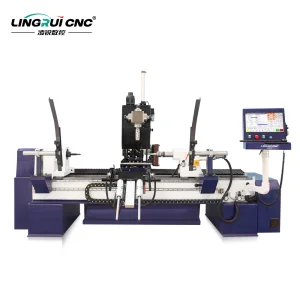
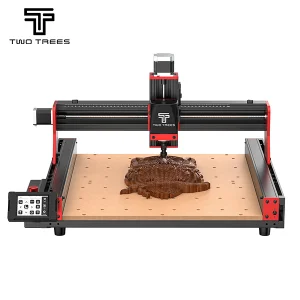
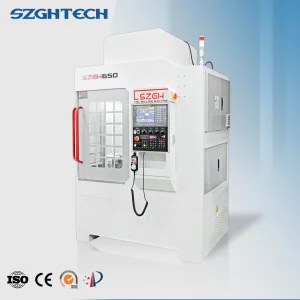
As an industry-leading force in high-end CNC machining technologies, Shandong AcuTek CNC Co., Ltd. commands a state-of-the-art modern production facility encompassing over 60,000 square meters. We stand at the forefront of the design, engineering, and global distribution of specialized CNC machinery. Our core mission is providing elite heavy-duty industrial platforms that offer superior structural rigidity, dynamic accuracy, and extended operational lifespans.
"Integrity first, customer foremost: Harnessing rigorous quality assurance to deliver robust manufacturing setups to international clients."
We integrate advanced mechanical design practices with complete vertical integration. From rough iron castings to high-speed spindle balancing, our engineering capabilities allow us to construct machinery that minimizes harmonic vibration, preserves tool integrity, and delivers mirror-like surface finishes.
Analyzing tooling kinematics, dynamic chip clearance, and rotational synchronization that define high-efficiency spiral routing.
Unlike conventional straight-flute bits, CNC spiral routers rely on helix-oriented cutting edges. The shearing action distributes cutting force incrementally, reducing structural deflection, tool chatter, and workpiece tear-out, ensuring clean edges on dense composites.
Spiral configurations dictate chip flow. Up-cut spirals lift debris upwards, ideal for rapid material removal in deep pockets, while down-cut spirals push chips downward to stabilize thin laminated sheets. Dynamic chip evacuation prevents thermal accumulation, prolonging tool life.
High-helix routing exerts multi-directional forces. Shandong AcuTek machines utilize cast iron frames, tempered linear guides, and precision ballscrews to counter lateral loading, preventing path errors during continuous operations.
The evolutionary trajectory of Shandong AcuTek CNC systems, leading from fundamental 3-axis processes to fully synchronized, RTCP-enabled 5-axis spiral milling configurations.
Optimizing base stability by integrating gray cast iron frames with internal ribbing. Thermal stress-relieving cycles eliminate residual internal stresses, preventing frame deflection under heavy load over years of constant operation.
Adopting high-frequency, liquid-cooled spindle assemblies. Every spindle undergoes dynamic balancing under ISO 1940 standards (G0.4 rating) to minimize axial runout, keeping cut tolerances under 0.005mm.
Integrating Rotational Tool Center Point (RTCP) functionality within our 5-axis woodworking lathes and gantry setups. RTCP computes rotary axes positions automatically, correcting tool head paths in real time to produce complex geometries, such as architectural spiral staircases.
A transparent look inside our 60,000 sqm production facility, showing our systematic, step-by-step manufacturing and machining pipeline.
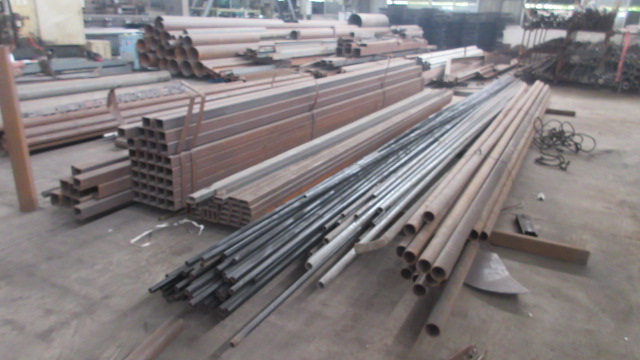
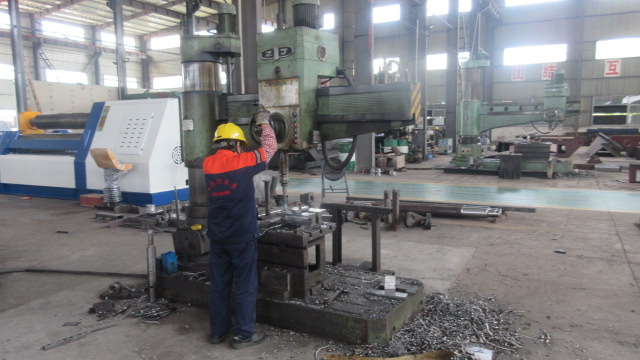
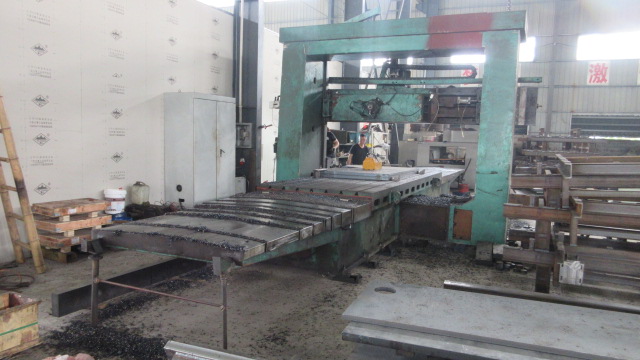
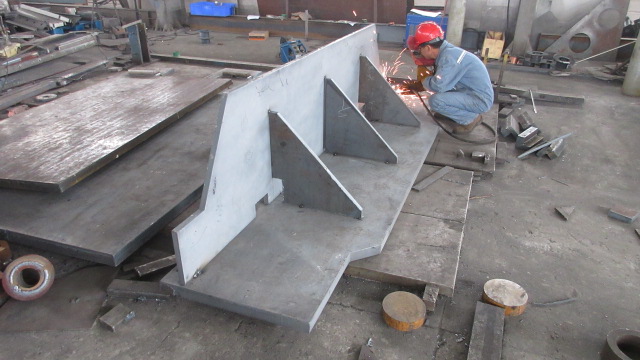
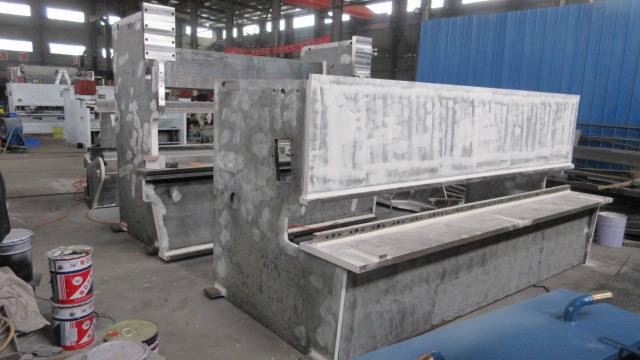
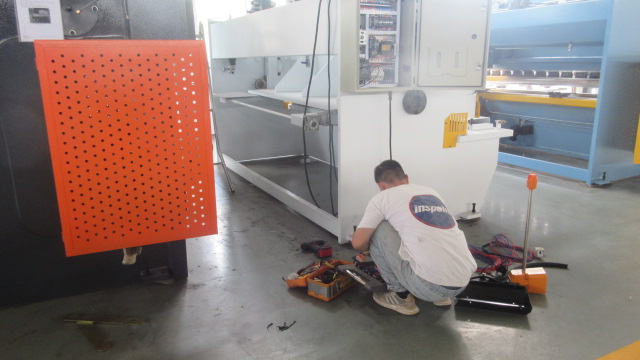
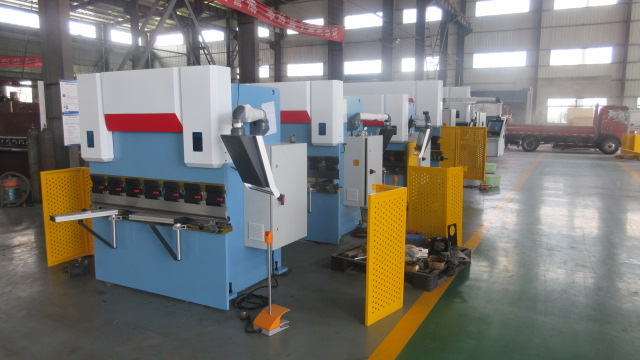
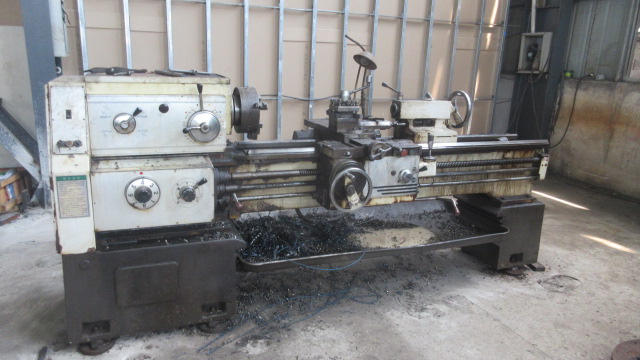
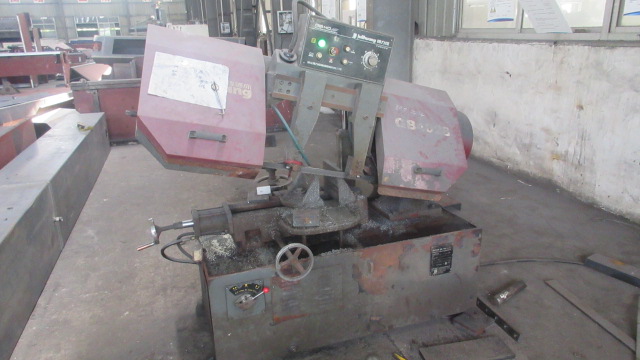
Our workshop is equipped with high-performance tooling machinery to guarantee strict dimensional control for every part manufactured.
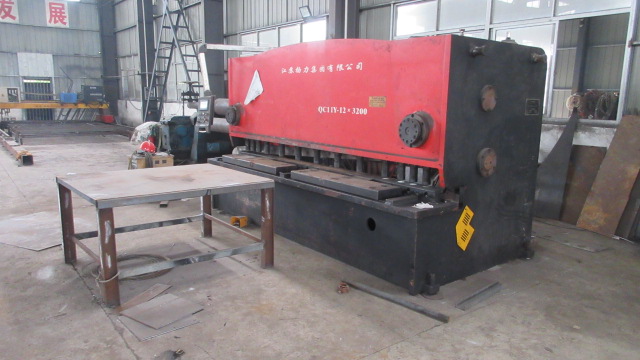
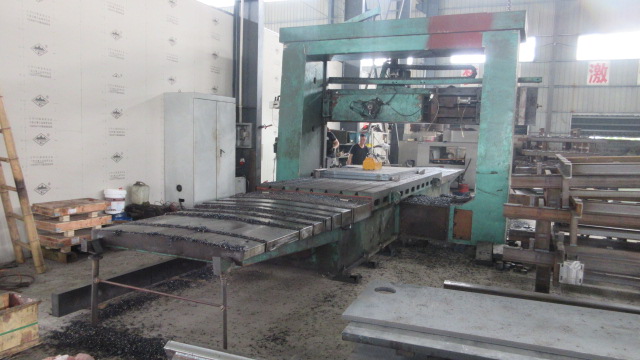
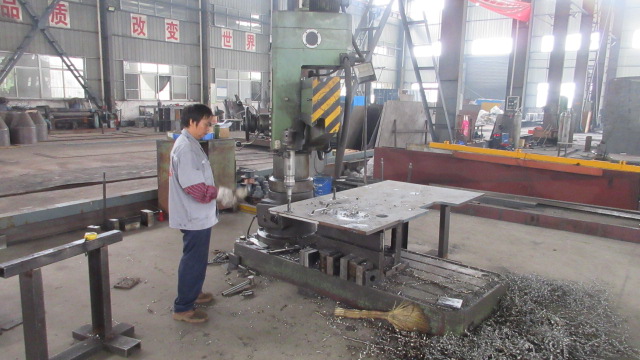
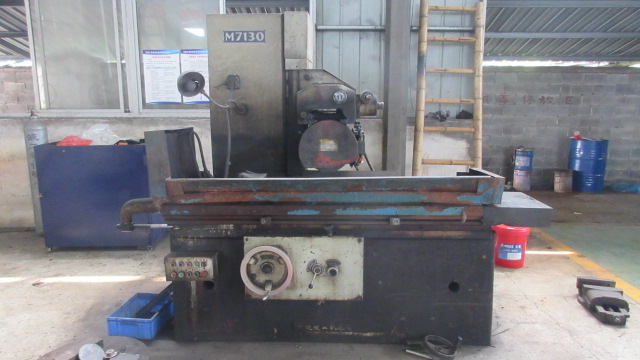
How our strategic location and vertical industrial cluster translate into unmatched manufacturing efficiency, cost-effectiveness, and rapid export fulfillment.
Situated within Shandong's heavy industrial hub, we have immediate access to high-grade cast iron foundries, premium structural steels, and forging plants. This localization eliminates long-distance transport bottlenecks and keeps raw material costs stable.
Our facility houses complete machining, structural welding, thermal treatment, precision grinding, and assembly under one roof. Controlling all manufacturing steps ensures total quality alignment and avoids dependencies on external vendors.
With streamlined connections to major deepwater ports (like Qingdao), we maintain efficient transit corridors for international shipping. This minimizes port-side delays, offering global distributors reliable lead times and predictable shipping schedules.
Examining how Shandong AcuTek CNC setups serve specific manufacturing roles across the global industrial landscape.
Our 5-axis CNC woodworking lathe, featuring integrated RTCP software, is designed for crafting complex helical structures. By dynamically synchronizing the tool angle along the spiral path, operators can mill continuous handrails, customized steps, and complex structural balusters in a single setup, eliminating manual finishing.
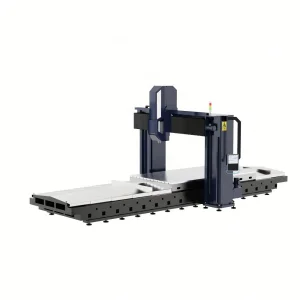
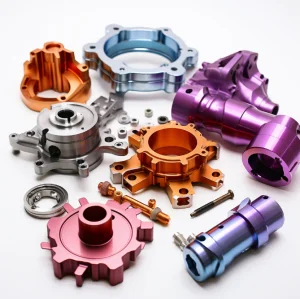
For operations machining aerospace components, our heavy-duty gantry machining centers provide the travel speed and rigidity required. Using high-frequency spiral tools, they process aluminum alloys without material build-up, maintaining structural flatness across large panels.
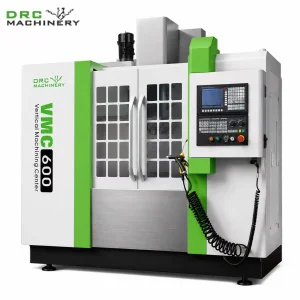
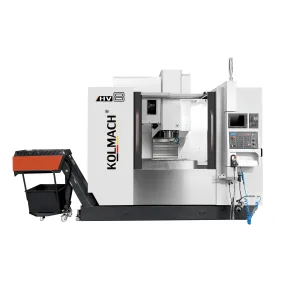
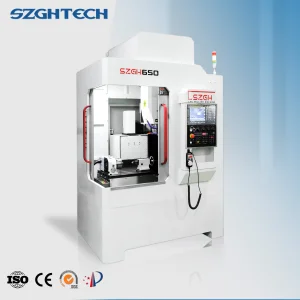
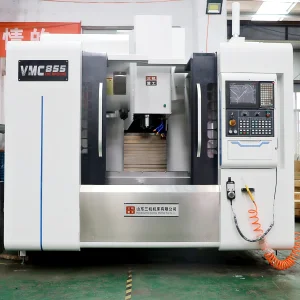
For mold cavities and automotive panels, our high-rigidity Vertical Machining Centers (VMC series) handle high-feed milling of tough alloy steels. The rigid structure dampens spindle harmonics, ensuring fine dimensional control and prolonged cutter life.
Ensuring compliance with international standards and providing structured technical support to keep your operations running smoothly.
Shandong AcuTek designs and builds machines in accordance with major international safety and technical guidelines, including CE conformity directives for electrical and mechanical safety, and ISO 9001 quality management systems. Our equipment meets the regulatory requirements of demanding export markets, including the EU, North America, the CIS region, and Asia-Pacific.
We support our equipment with an industry-standard 2-year comprehensive warranty. Our service network extends across key regions, including the UK, Germany, Poland, Australia, and Russia, providing prompt spare parts delivery and on-site engineering assistance. Our technical support team is also available 24/7 online for diagnostic and software support.
Answers to common technical, design, and operational questions for CNC spiral routers and vertical machining centers.
The difference lies in chip evacuation and surface finish quality. Up-cut spiral bits pull chips upward toward the extraction system, which helps prevent overheating during deep cuts. However, this upward pulling force can cause slight fuzzing or tear-out on the top surface of laminated materials. Down-cut spiral bits push chips downward, compressing the top veneer of the workpiece to yield clean top edges. However, they require careful speed management to prevent chips from packing in deep grooves.
Without RTCP, controllers treat the rotary axes as simple positioning elements, requiring complex CAM program modifications if the cutter length changes. RTCP dynamically tracks the exact physical contact point of the cutter tip in 3D space, automatically adjusting the X, Y, and Z axes to compensate for rotational movements. This real-time alignment maintains tight tolerances on complex geometries, such as twisting spiral stairs and compound curves.
Cast iron has higher carbon content than structural steels, giving it excellent natural vibration-damping properties. It absorbs high-frequency vibrations generated by high-speed spindles (up to 24,000 RPM). Additionally, cast iron is less prone to thermal deformation and distortion over time, maintaining machine alignment and accuracy during continuous operation.
Spindle longevity requires regular maintenance. Key steps include checking liquid cooling systems for flow and temperature consistency, verifying pneumatic purge pressure to prevent dust entering the bearings, and monitoring runout with dial test indicators. We recommend scheduled spindle balancing checks under ISO 1940 guidelines to prevent premature bearing failure.
Yes, our electrical systems are customized to match local requirements. During the engineering phase, we configure transformers and servo drives to handle your specified facility input, whether 380V/50Hz (standard in China/EU) or 220V/460V/480V three-phase at 60Hz (typical in North America).
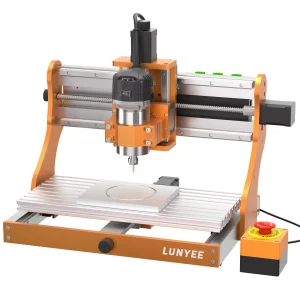
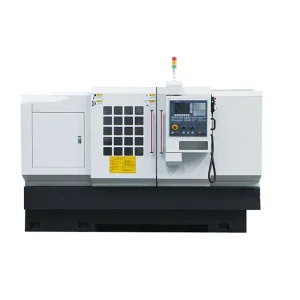
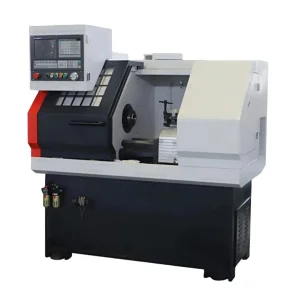
Review our heavy-duty industrial catalog, featuring vertical machining centers, Swiss-type turning centers, and precision desktop tools.
 AcuTek CNC