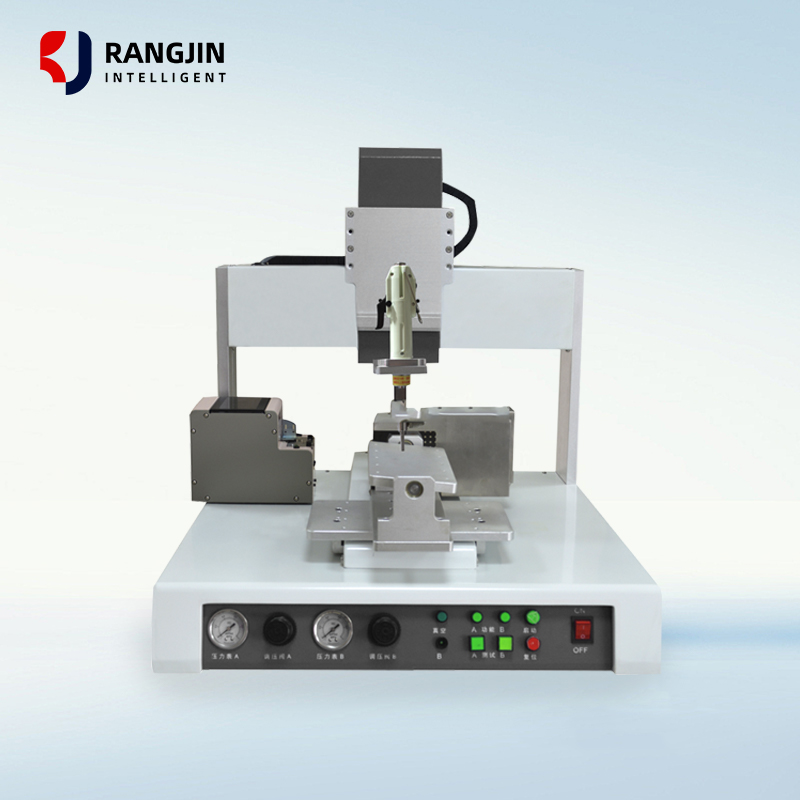
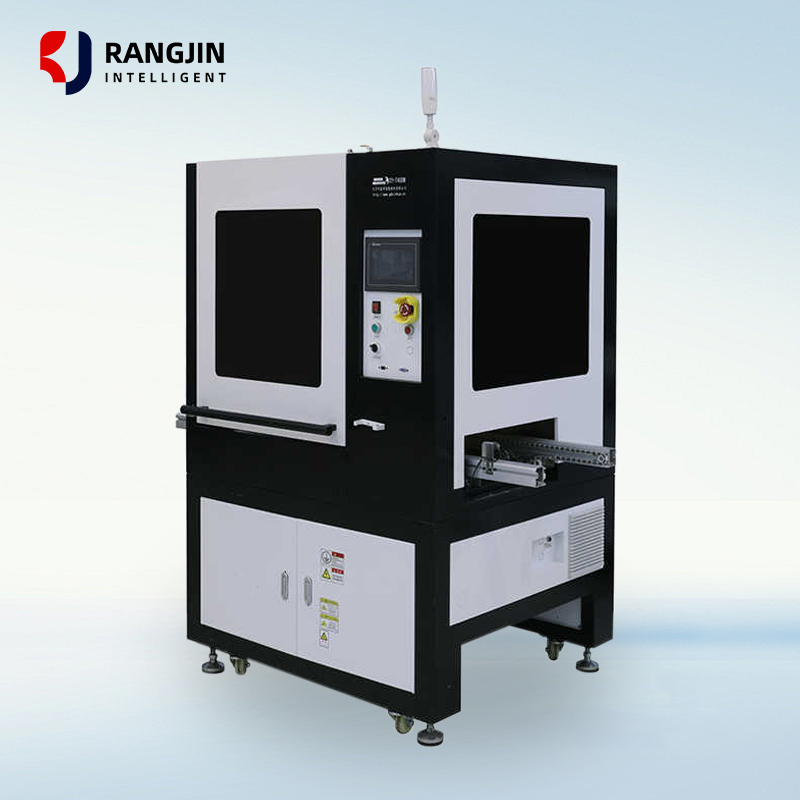
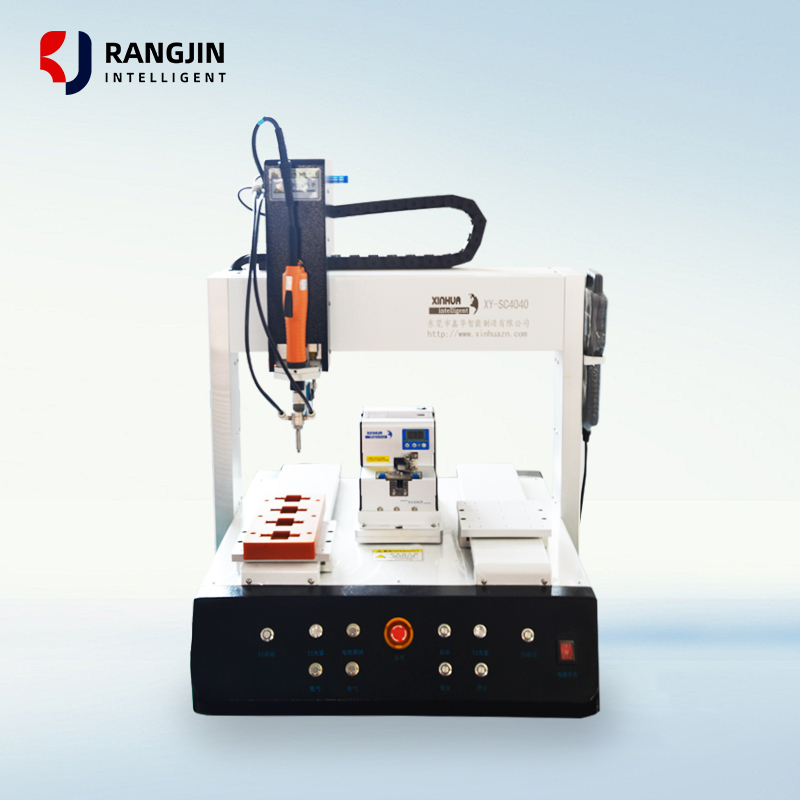
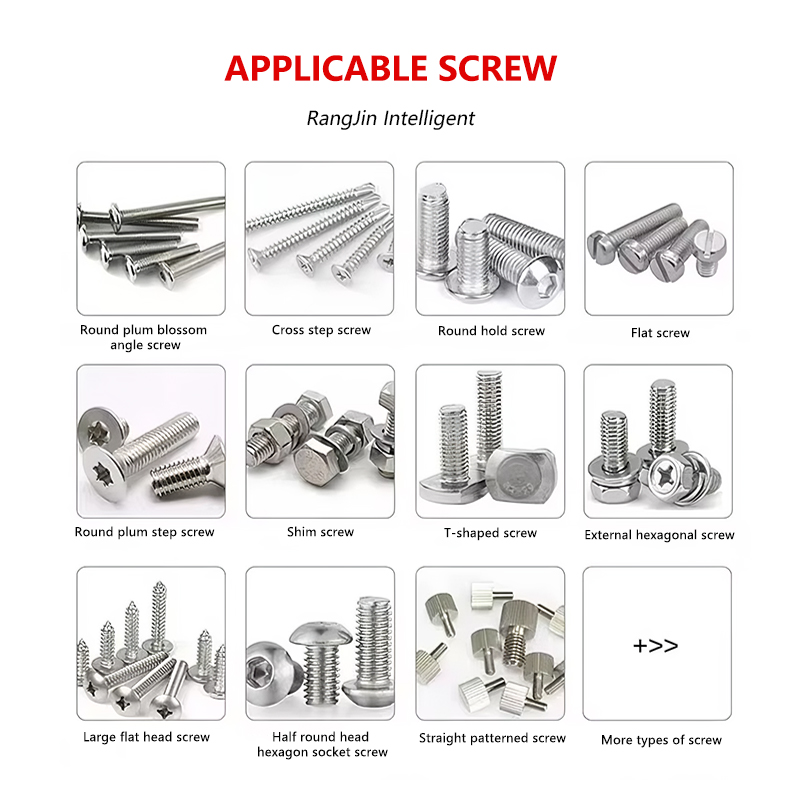
What types of screws can it fasten?
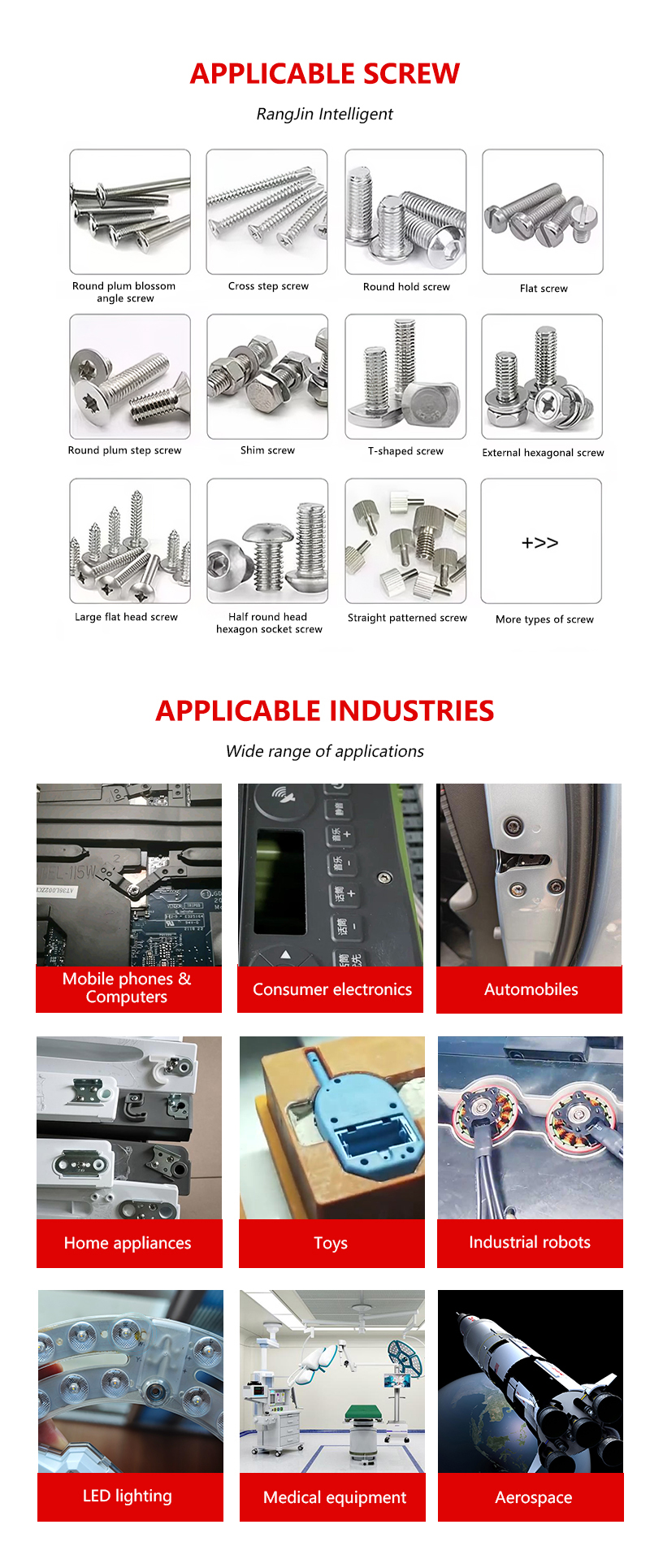
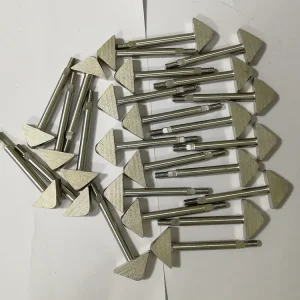
The specific types of screws it can fasten depend on the machine's design and configuration. It is typically suitable for various common screw types such as pan head, countersunk head, hex socket (Allen), cross (Phillips), and slotted (flathead) screws (common range M1.0 - M6.0 or approx. 1/16" - 1/4"). Screw length, material (iron, stainless steel, copper, plastic, etc.), and the presence of washers or special requirements need to be specified in advance to confirm machine compatibility. Certain special screws may require custom feeding mechanisms.
How efficient is an Automatic Screw Locking Machine?
Efficiency is far superior to manual operation. The typical time to fasten a single screw is within 1 to 5 seconds (actual time depends on screw size, torque requirements, workpiece movement method, etc.). The machine can operate 24/7 uninterruptedly, greatly increasing production line throughput and overall capacity.
Is it difficult for operators to use?
Operation is very simple. Operators typically only need to:
• Secure the workpiece on the worktable (or rely on robotic arm/conveyor positioning).
• Press the start button.
• Remove the finished part after the cycle completes (or it is automatically conveyed away).
Complex programming and parameter settings (e.g., torque, speed, position) are handled by setup/maintenance personnel.
What are the power and air supply requirements?
Most industrial automatic screw locking machines require:
• Power: AC 220V ± 10%, 50/60Hz (specific power consumption varies by model, typically ranging from hundreds of watts to several kilowatts).
• Air supply: Dry, clean compressed air (0.4 - 0.6 MPa, equivalent to 4-6 Bar or approx. 60-90 PSI) to drive screw feeding, blowing actions, and nozzle suction/air blowing action. Requires connection via tubing with a filter regulator.
What maintenance is required?
Routine maintenance is relatively simple:
• Cleaning: Regularly clean the worktable, feeder tracks, nozzles, and sensor lenses of dust, oil, and screw debris.
• Lubrication: Lubricate components like guide rails and lead screws as specified in the manual using the recommended oil/grease.
• Air Supply Check: Ensure compressed air is dry (drain regularly), pressure is stable, and filters/regulators function correctly.
• Screw Quality Check: Ensure screws fed are not mixed, overly oily, deformed, or burred.
• Periodic Inspection: Check for loose fasteners and signs of wear on wiring and air hoses.
• Wear Parts Replacement: Nozzles and driver bits are consumables; replace them periodically based on wear.
 AcuTek CNC