Selecting the right CNC machining center for a small shop is crucial for efficiency and productivity. Renowned expert in CNC technology, John Smith, emphasizes, “Understanding your specific needs is key to making the right choice.” His insights guide many shop owners.
Many small shops struggle to balance budget and capability. Size, features, and support must align with your shop's goals. A center that excels in one aspect may lag in another. For instance, a compact machine may lack the advanced features necessary for complex tasks.
Reflecting on your shop's workflow is essential. Consider the materials you work with and the types of projects you undertake. This reflection will lead to better decision-making. Understanding how to choose the right CNC machining center for a small shop can transform your operations. Every decision can have lasting implications for productivity.
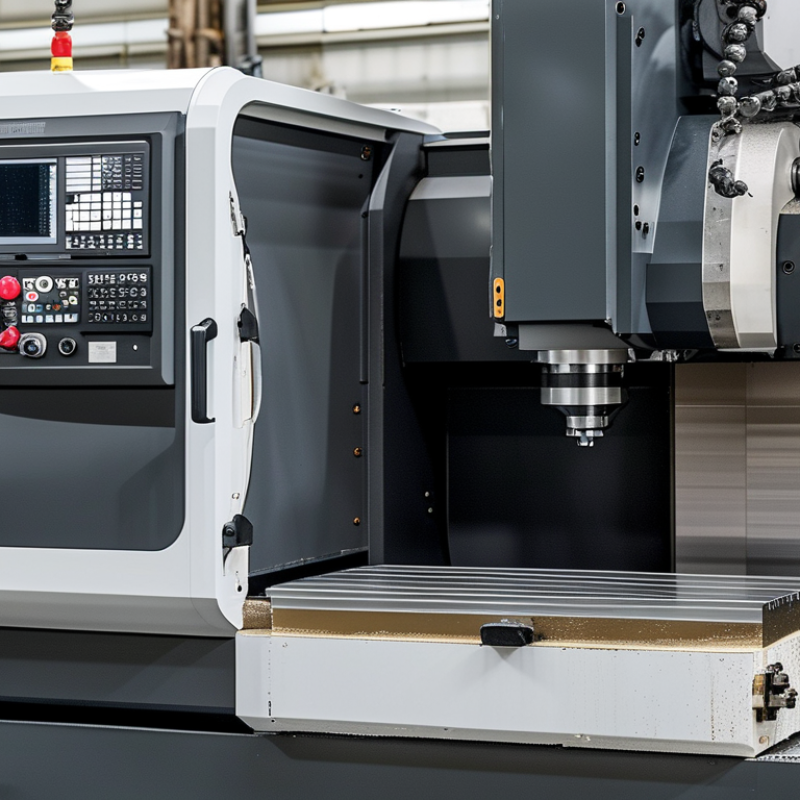
CNC machining centers are pivotal in modern manufacturing. Understanding their types and features is essential when selecting the right one for your shop. They typically fall into categories like vertical and horizontal machining centers. Vertical machining centers, for instance, are popular for their versatility. They are ideal for complex shapes and can handle a wide range of materials. Horizontal machining centers excel in production efficiency. They can run multiple tasks simultaneously, reducing cycle time by up to 30%.
When choosing a CNC machining center, consider the size and scope of your projects. A machine with a larger work envelope might be beneficial for bigger components. According to a recent industry report, around 55% of manufacturers prioritize adaptability in their machining centers. Don’t overlook the importance of software compatibility. Modern CNC machines come equipped with advanced software that streamlines processes and enhances precision.
Tips: Always evaluate the machine’s features against your production needs. Think about maintenance costs and spare part availability. A high-performance machine may require a bigger investment now but can save you money in the long run. Reflect on how often you may need to upgrade or modify your existing equipment. The best choice may not be the newest model but the one that fits your specific requirements.
When selecting a CNC machining center, understanding your shop's specific needs is crucial. Start by assessing the type of materials you will process. Are they hard metals or softer materials? This factor influences the machine's spindle speed and torque requirements. Knowing your material helps narrow down options.
Next, consider the part sizes you will manufacture. A shop focused on small precision parts needs a different machine compared to one producing large components. The machining center's workspace dimensions must accommodate your typical workpieces. Think about the production volume as well. Will you be running small batches or high-volume production? This affects not just the machine type, but also the required automation features.
Keep in mind the skill level of your operators. Machines with extensive automation might not require highly skilled workers, while others may need expert operators. Evaluate your team’s expertise and willingness to learn. A balance between machine complexity and operator skill can enhance productivity. Reflecting on these aspects can guide your decision-making process. It’s vital to ask whether your shop is ready to adopt new technology or adjust its workflow.
When selecting a CNC machining center, accuracy and speed are paramount. Precision impacts the overall quality of the finished products. A machine that consistently delivers tight tolerances is essential for high-quality output. Variations could lead to costly rework and dissatisfied customers. It's crucial to analyze the specific accuracy specifications of potential machines.
Speed is another essential factor. Rapid machining can significantly improve productivity. However, speed should not compromise accuracy. A balance needs to be found. Some machines claim high-speed capabilities but falter in real-world applications. It's important to check the machine's speed under load conditions.
Evaluate the feedback from other users. Their experiences can illuminate both strengths and weaknesses of a machine. Look for reviews or case studies that detail performance. Industry standards can help gauge whether a machining center meets your needs. Being detailed in research ensures you make a sound investment that aligns with your shop's goals.
| CNC Machining Center Type | Accuracy (mm) | Max Speed (m/min) | Spindle Power (kW) | Tool Change Time (s) |
|---|---|---|---|---|
| Vertical Machining Center | 0.01 | 20 | 15 | 4 |
| Horizontal Machining Center | 0.005 | 25 | 20 | 3 |
| 5-Axis Machining Center | 0.002 | 30 | 25 | 5 |
| Aluminum Machining Center | 0.01 | 22 | 10 | 6 |
| Bridge Mill | 0.015 | 18 | 30 | 5 |
Selecting the right CNC machining center can greatly impact your shop's efficiency and profitability. Before making a purchase, it's crucial to evaluate your budget carefully. Consider not only the initial cost but also ongoing expenses like maintenance, tooling, and training. A lower-priced machine may seem attractive, but hidden costs can quickly add up.
Evaluate the return on investment (ROI) for each option. A machine that costs more upfront might provide better precision and speed, leading to increased production and less wastage. Calculate your expected production volume. Will this machine help you meet customer demands effectively? If your shop contracts must be fulfilled rapidly, investing in higher-performing equipment can yield significant long-term benefits.
Take time to reflect on your shop's capabilities. Are you ready to integrate advanced features? Sometimes, simpler machines can serve specific needs better than high-tech options. It's essential to align the machine's capabilities with your production goals. Always ask yourself if the investment aligns with your overall business strategy.
When selecting a CNC machining center, maintenance and support services are critical factors. Reliable service ensures optimal performance and longevity of your equipment. According to industry reports, nearly 30% of CNC machine failures are due to inadequate maintenance. Regular check-ups prevent costly downtimes and extend machine life.
Technical support plays a vital role. Availability of expert assistance can drastically reduce recovery time during failures. A survey indicated that companies with comprehensive support plans experience 20% fewer unexpected breakdowns. These services can include remote monitoring, training, and on-site repairs, helping operators maximize productivity.
Investing in robust maintenance services is essential. Many shops overlook the need for regular training and updates for their team. Technological advances means that staying current is vital for success. Neglecting these aspects may lead to inefficiencies. A well-rounded support system enhances reliability and performance. It ultimately contributes to a more successful CNC operation.
: The main types are vertical and horizontal machining centers. Each has unique strengths suited for various projects.
They are versatile and can handle complex shapes and a wide range of materials. This adaptability is crucial for many manufacturers.
They perform multiple tasks simultaneously, which can reduce cycle time by up to 30%. This leads to increased productivity.
Think about your project size, machine features, software compatibility, and maintenance costs. Each factor plays a significant role.
High precision ensures a quality finished product. Variations can lead to costly rework and dissatisfied customers, so analyze specifications carefully.
Rapid machining improves productivity, but it shouldn’t compromise accuracy. Finding a balance is crucial for consistent results.
They are critical for optimal performance and longevity. Regular maintenance prevents breakdowns and costly downtimes, enhancing overall efficiency.
Accessible expert assistance can significantly reduce recovery times during failures. Comprehensive support plans can minimize unexpected breakdowns.
Regular training helps operators stay updated on technological advances. Neglecting this may lead to inefficiencies and decreased productivity.
Not necessarily. The best choice depends on specific requirements. Sometimes, older models that fit your needs well are more effective.
Selecting the right CNC machining center for your shop is a crucial decision that can significantly impact your operations. First, it's important to understand the different types and features of CNC machining centers available, as well as to evaluate your shop's specific needs. This includes considering the types of materials you will work with and the complexity of the projects.
Key factors in making the right choice involve assessing accuracy and speed, as these will affect production efficiency and output quality. Additionally, budget considerations and potential return on investment should be at the forefront of your decision-making process. Lastly, don't overlook the importance of maintenance and support services, as they ensure the longevity and optimal performance of your CNC machinery. By considering these aspects, you will be well-prepared to determine how to choose the right CNC machining center for a small shop.
AcuTek CNC