How to Maintain Your Manual Lathe Machine for Longevity?

Time:2026-07-23 Author:Amelia
0%

Maintaining a manual lathe machine is crucial for its longevity. Experts in the field emphasize the importance of regular care. John Smith, a seasoned machinist with over 20 years of experience, once said, "Consistent maintenance is the key to ensuring your lathe serves you well for years."

When you invest time in maintenance, you protect your equipment. Regular cleaning helps prevent debris buildup, which can cause wear. Checking lubrication levels ensures the machine operates smoothly and efficiently. These small actions greatly impact the overall performance of your lathe.

However, many overlook these routines, leading to costly repairs. It’s easy to get caught up in daily tasks and neglect proper care. Yet, recognizing the importance of how to maintain a manual lathe machine for longevity can save you time and money in the long run. Keep in mind that even experienced machinists may sometimes miss a step in their routine. Awareness and consistency are essential in maintaining your equipment.
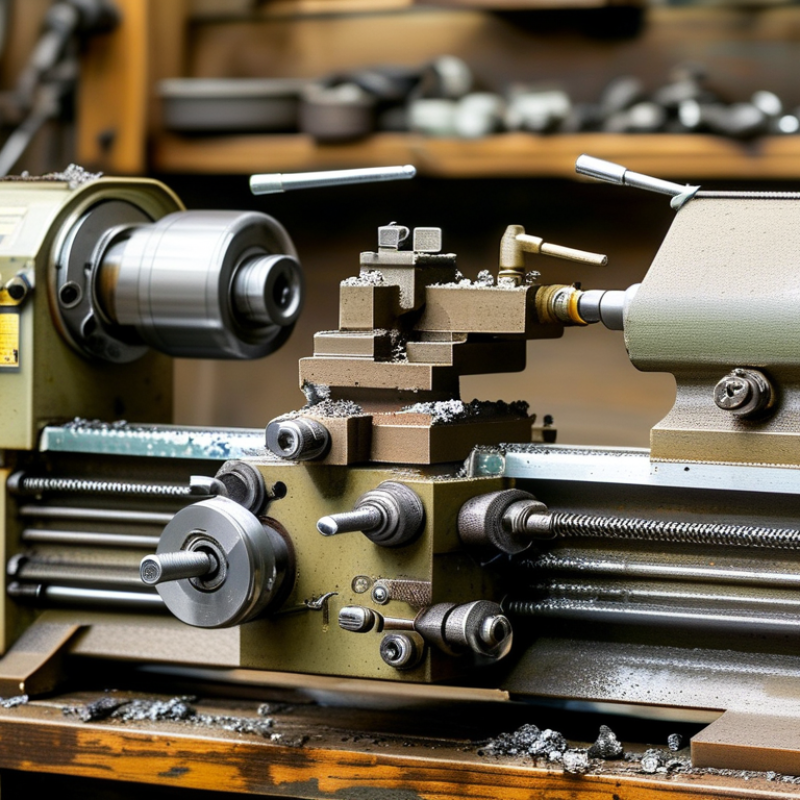
How to Maintain Your Manual Lathe Machine for Longevity?

Importance of Regular Maintenance for Manual Lathe Longevity

Regular maintenance of your manual lathe is crucial for its longevity. This process ensures that the machine remains accurate and efficient over time. Each part needs attention. Check the spindle, bed, and cross slide regularly. Look for wear, rust, or any signs of damage. Ignoring small issues can lead to bigger problems down the line.

Lubrication is essential. Use the right grease and oils to keep the moving parts functional. A dry machine can wear out quickly. Monitor the coolant levels if your lathe uses them. Insufficient coolant can lead to overheating. The condition of belts and gears should not be overlooked. They can deteriorate unexpectedly.

Cleaning is often underestimated. Dust and debris can affect performance. Take a moment to clean up after each use. This will ensure that your lathe stays in prime condition. However, it’s easy to forget this step in a busy workshop. Regular checks may seem tedious. Yet, they save you time and money on repairs. Reflect on your maintenance habits and strive for improvement.

How to Maintain Your Manual Lathe Machine for Longevity?

Maintenance Task Frequency Impact on Longevity Notes
Clean the Lathe Daily High Prevents accumulation of debris.
Lubricate Moving Parts Weekly High Reduces wear and tear.
Check Belt Tension Monthly Medium Ensures optimal performance.
Inspect Bearings Quarterly High Prevents overheating and failure.
Calibrate Tool Settings Monthly Medium Maintains precision in operations.
Check Electrical Connections Annually Medium Ensures safety and functionality.

Essential Tools and Supplies for Lathe Maintenance Tasks

Maintaining a manual lathe requires proper tools and supplies. At the core, a reliable tool kit starts with cleaning agents. Effective maintenance depends on removing debris and lubricant residues. Industry specialists recommend using non-corrosive solvents that do not harm metal surfaces. According to a recent survey by the Precision Machined Products Association, inadequate cleaning is a leading cause of lathe malfunction.

Lubrication is equally crucial. High-quality lubricants reduce friction and prolong the machine's lifespan. The Machinery Lubrication magazine states that 70% of machinery failures are linked to poor lubrication practices. Therefore, having the right oils and greases on hand can prevent costly repairs. Don't overlook measuring tools like calipers and micrometers, which ensure precise adjustments and settings.

Lastly, don’t forget safety equipment. Protective gear, such as gloves and eye protection, is essential for safe maintenance. This oversight is often highlighted in safety audits, revealing that 35% of workshop accidents involve maintenance tasks. Investing in these essential items may initially seem excessive, but their long-term benefits far outweigh the costs. Regular maintenance with the right tools leads to better productivity and fewer unexpected breakdowns.

Lathe Machine Maintenance Frequency

Step-by-Step Cleaning Process for Manual Lathe Components

Cleaning your manual lathe machine is crucial for its longevity. This process helps ensure precision and efficiency in your machining tasks. Start by powering off the lathe and unplugging it. Safety measures are essential. Wear gloves and goggles to protect yourself from debris.

Begin cleaning the bed of the lathe. Use a soft brush to remove chips and dust. This area can accumulate grime quickly. Pay attention to the ways and ensure they are free from any obstructions. Use a cleaning solvent to wipe down the surfaces. However, avoid excessive moisture, as it can lead to rust.

Next, examine the carriage and cross-slide. These components are critical for smooth operation. High-quality grease is necessary. Apply it sparingly to avoid buildup. Dust can gather in the drive belts too. Remove any debris that could impact performance. Check the condition of the belts regularly. Replace them if you see wear. This is a small step but makes a big difference.

Cleaning might seem tedious, yet it pays off. Regular attention to these small details fosters long-term reliability.

Recommended Lubrication Practices and Frequency for Lathe Care

Lubrication is critical for the longevity of your manual lathe machine. Many experts argue that proper lubrication can increase machine lifespan by up to 30%. A study from the Machinery Maintenance Journal indicates that regular lubrication reduces wear on moving parts, significantly lowering the chance of breakdowns.

The commonly recommended practice is to apply lubricant every 8-10 hours of operation. For Grease, a consistency of NLGI 2 is often favored. Mistakes occur when users overlook proper lubrication points. Skipping lubrication can lead to costly repairs. Regular checks of the oil levels are essential as well.

Using high-quality lubricants is a key factor. Of course, issues arise when operators use improperly fits. Many workshops experience inefficiencies due to this oversight. Take care to clean old grease regularly. This simple task can enhance performance dramatically. Making these practices routine will lead to machines running smoother and longer.

Common Issues and Preventative Measures for Lathe Maintenance

Maintaining your manual lathe machine is essential for optimal performance. Common issues often arise from neglecting regular checks and appropriate lubrication. Over time, dirt and debris can accumulate, causing wear and tear. A proactive approach can mitigate most of these problems.

Regularly inspect your lathe for signs of rust. Rust can weaken components and affect precision. Clean any rust spots promptly with a suitable solvent. After cleaning, apply a thin layer of oil to protect the metal surface. This simple act can extend the lifespan of your machine.

Ensure the belts are tensioned correctly. Loose belts can lead to inaccurate cuts. Check their condition frequently and replace them when fraying appears. Additionally, calibrate your machine regularly. If your adjustments feel off, do not ignore them. Proper maintenance includes reflecting on what went wrong during previous projects.

Tips: Always keep your workspace organized. A clutter-free area reduces accidents. Document any adjustments you make on your lathe. This habit supports better troubleshooting in the future. Pay attention to strange sounds. Abnormal noises often signal underlying issues that require immediate attention.

FAQS

: Why is regular maintenance important for a manual lathe?

: Regular maintenance ensures the lathe remains accurate and efficient. It helps detect wear and damage before they worsen.

How often should I lubricate my lathe?

Lubrication is recommended every 8-10 hours of operation. Consistent lubrication is vital for preventing breakdowns.

What can happen if I ignore cleaning my lathe?

Ignoring cleaning can lead to dust affecting performance. It's easy to overlook this step in a busy environment.

What types of lubrication are necessary for lathe care?

Use the right oils and greases. NLGI 2 consistency grease is commonly recommended. Proper lubrication points are crucial.

How can insufficient coolant affect my lathe?

Insufficient coolant can cause overheating. This can damage the lathe and may lead to costly repairs.

What should I check during lathe maintenance?

Regularly check the spindle, bed, and cross slide. Look for rust, wear, or other signs of damage.

What mistakes do users commonly make with lubrication?

Users often skip lubrication points or use the wrong products. This oversight can result in machine inefficiencies.

What are the consequences of using old grease?

Old grease can hinder performance. It’s important to clean it regularly to keep the lathe running smoothly.

How can I improve my maintenance habits?

Reflect on your current routine. Set reminders for checks to ensure you don’t overlook maintenance tasks.

Why do regular maintenance checks save money?

Regular checks can prevent bigger issues and costly repairs. It's an investment in the lathe's lifespan and efficiency.

Conclusion

Maintaining a manual lathe machine for longevity is crucial for operators who rely on its precision and effectiveness in metalworking. Regular maintenance not only extends the machine's lifespan but also ensures optimal performance and safety during operations. Key to this process is having the essential tools and supplies ready, which facilitate thorough maintenance tasks that keep the lathe in top condition.

The maintenance routine includes a detailed step-by-step cleaning process for all components of the lathe, followed by recommended lubrication practices to minimize wear and tear. Additionally, being aware of common issues that may arise and implementing preventative measures can significantly reduce downtime and costly repairs. By understanding how to maintain a manual lathe machine for longevity, operators can achieve consistent results and safeguard their investment in this vital piece of equipment.

Amelia

Amelia

Amelia is a seasoned marketing professional with a wealth of expertise in our company’s core offerings. With an unwavering passion for driving growth and innovation, she plays a pivotal role in shaping our marketing strategies and enhancing brand visibility. A key aspect of her responsibilities......