A CNC lathe is a major investment, but its useful life rarely ends on a single, predictable date. In 2026, a well-maintained machine may remain productive for 15 to 25 years, while demanding shifts, poor upkeep, or outdated controls can shorten that period. Those figures are practical estimates, not guarantees. The answer depends on the machine’s build quality, workload, environment, and access to replacement parts.
So, what is the life expectancy of a cnc lathe machine? To estimate it, look beyond the year on its nameplate. Check spindle noise, axis backlash, repeatability, coolant condition, and the wear visible on the chuck and ways. A lathe cutting steel for two shifts each day faces different demands from one used occasionally for aluminum. Maintenance records matter, too. Regular lubrication and prompt attention to vibration can prevent small problems from becoming expensive repairs.
Age alone can mislead. A 20-year-old machine with a rebuilt spindle and supported controller may outperform a neglected model half its age. Yet even careful maintenance cannot make every obsolete control easy to repair. That part is often underestimated. This guide examines typical service-life ranges, the components that commonly limit them, and the maintenance choices that help extend productive years. It also considers when repair is sensible—and when downtime, accuracy concerns, or parts availability suggest planning for replacement.
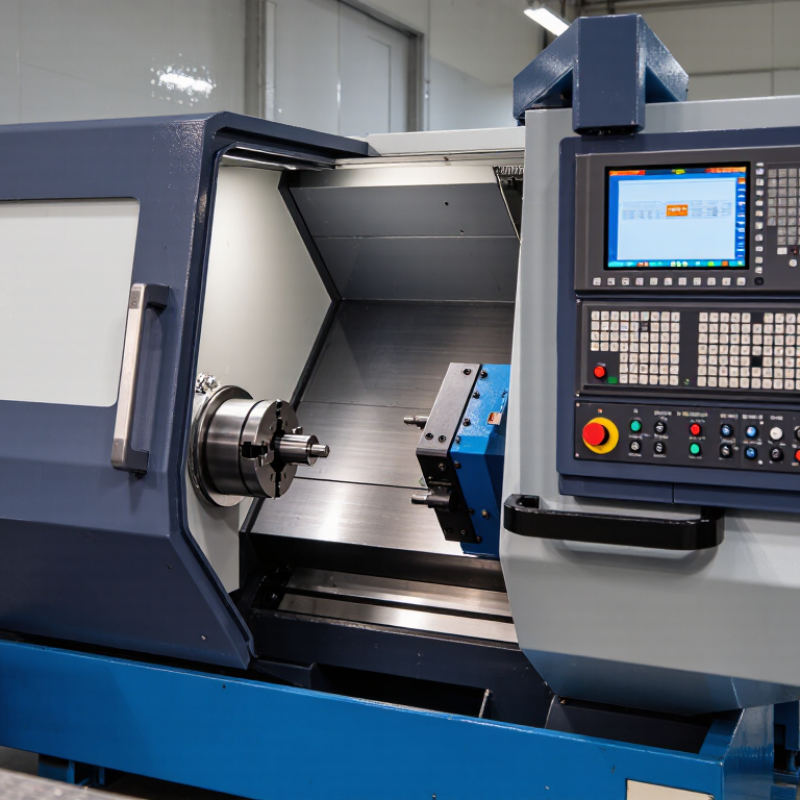
A CNC lathe’s service life depends less on its calendar age than on how hard and consistently it works. A machine cutting light aluminum in one shift faces different demands from one turning tough alloys around the clock. Repeated heavy cuts can wear the spindle, bearings, ball screws, and turret indexing parts. A small crash may also damage alignment, even when the machine still runs.
Maintenance changes the picture. Clean coolant, correct lubrication, and timely replacement of filters help protect moving parts. Operators should watch for rising spindle temperature, unusual vibration, rough surface finishes, or growing runout. These clues often appear before a major failure. Keep records. A simple log of alarms, repairs, and accuracy checks can reveal gradual decline that memory misses.
The shop environment matters, too. Metal dust, heat, poor power quality, and weak foundations can shorten component life. Regular geometric checks help show whether the lathe still holds required tolerances. There is no universal replacement age; repair costs, parts availability, and production needs all count. In practice, deciding when to retire a machine is not always tidy. A lathe may remain mechanically sound but struggle to meet tighter tolerances, and that distinction deserves honest review.
Typical CNC Lathe Lifespan by Machine Type and Usage
A CNC lathe’s lifespan depends on its build, workload, maintenance, and operating environment. A light-duty machine in a small shop may remain productive for 15 to 25 years. General production lathes often serve for 10 to 20 years. Machines running multiple shifts with heavy cuts may need major repairs after 8 to 15 years. These are practical estimates, not guarantees. The frame can outlast the control system, spindle, or other wear parts.
Tips: Check service records, spindle noise, axis repeatability, and backlash. Keep coolant clean and follow lubrication schedules. Track hours and repair costs, not just the machine’s age. A tidy exterior can hide wear.
Usage changes the picture. Frequent interrupted cuts, poor chip removal, and heat can accelerate wear. A well-aligned machine making lighter cuts may last longer than a newer lathe pushed hard every shift. Controls and drives may become difficult to support before the mechanical structure is worn out. Rebuilding can extend useful life, but it is not always economical. Compare repair costs with downtime and the accuracy your parts require. One judgment call is easy to get wrong: a machine that still turns may no longer hold the tolerances your work needs.
How Long Does a CNC Lathe Machine Last in 2026?
How Operating Conditions Affect Machine Longevity
A CNC lathe’s useful life depends less on its calendar age than on the conditions it faces each shift. A machine cutting light aluminum for short runs experiences different stress from one removing heavy steel for ten hours daily. Heat adds up. Repeated thermal changes can affect alignment, while constant high spindle loads place extra demand on bearings, drives, and tooling interfaces.
The shop environment matters, too. Fine dust, chips, and coolant mist can enter covers, seals, cabinets, or way surfaces when cleaning is inconsistent. Poorly maintained coolant may encourage corrosion and leave deposits around pumps and filters. Keep chip conveyors clear, check lubrication levels, and monitor spindle temperature and vibration. Small details matter. A sudden change in sound is worth investigating before it becomes a costly repair.
Operating habits often shape longevity more than one isolated hard cut. Correct tool offsets, balanced workholding, suitable feed rates, and warm-up routines reduce avoidable strain. Preventive maintenance should follow the machine’s service guidance, with records of alarms, repairs, and recurring wear. Still, no checklist predicts every failure. A machine can be carefully maintained and suffer an unexpected component fault; treat maintenance data as evidence, not a guarantee.
A CNC lathe’s service life is not set by calendar age alone. Daily maintenance can slow wear, but it cannot undo heavy workloads, poor installation, or years of neglected alignment. At the start of each shift, check coolant level and concentration, clear chips from the enclosure, and listen for new vibration or spindle noise. Small changes matter. A faint rattle may be easy to dismiss, yet it could point to a loose fixture or a developing bearing issue. Record what you notice, even when the cause is uncertain.
Follow the machine’s maintenance schedule for lubrication, filters, belts, and way covers; service intervals depend on operating conditions. Keep coolant clean, remove tramp oil, and check hoses for leaks. Chips packed around the conveyor or chuck can interfere with movement and damage seals. Use suitable cleaning tools, and avoid directing compressed air into bearings or electrical cabinets. Check tool offsets and axis positioning periodically, especially after a collision or major service. Keep a simple log of dates, readings, and repairs. It may feel tedious. A log can reveal recurring faults that might otherwise look like isolated problems. Skipped checks happen. Review missed tasks regularly and adjust the routine before small lapses lead to costly downtime.
A CNC lathe does not have a fixed expiration date. In 2026, its remaining life depends on workload, maintenance, materials cut, and repair history. Watch for changes that persist after routine checks. A spindle that grows louder, runs hot, or vibrates during a familiar cut deserves attention. So does a machine that repeatedly loses position or leaves tapered parts when setup and tooling are sound.
Measure the problem. Record spindle temperature, vibration, alarm frequency, and scrap rates over several weeks. Check backlash and repeatability with suitable test procedures, not just a quick glance at the display. If dimensions drift between otherwise identical parts, inspect the machine and verify the setup before blaming the control system. That distinction matters. A worn bearing, damaged ballscrew, or failing drive may be repairable, but repeated faults can make downtime expensive.
Replacement becomes more reasonable when major components fail together, parts are no longer available, or repair costs approach the value of a dependable replacement. Compare the full cost: labor, lost production, installation, and operator training. One imperfect but useful test is to price the last year of unplanned downtime; records are often incomplete, so treat the figure cautiously. If a machine still meets tolerance after repairs, replacing it simply because it is old may not make sense.
Planning guide: Service life varies with machine quality, workload, operating environment, maintenance, and parts availability. The ranges below are general benchmarks, not guarantees; operating hours and measured condition are more useful than age alone.
| Area or component | Typical planning reference | Signs of major repair or replacement need | Practical decision guide |
|---|---|---|---|
| Complete CNC lathe | Many well-maintained machines remain productive for about 15–25 years or longer. Heavy use, poor maintenance, or harsh conditions can shorten useful life. | Repeated breakdowns, persistent accuracy problems, obsolete controls, or downtime that disrupts delivery commitments. | Compare the cost and expected downtime of a major overhaul with replacement, including installation, training, and production interruption. |
| Spindle and spindle bearings | Life depends strongly on speed, loading, lubrication, balance, and contamination; condition monitoring is more reliable than a fixed age limit. | Increasing vibration or noise, excessive heat, poor surface finish, runout, or difficulty maintaining speed. | Have spindle condition and runout measured. Rebuild or replace the spindle when wear prevents required accuracy or reliability. |
| Linear guides and ball screws | Wear varies with travel, cutting loads, lubrication, chip protection, and maintenance frequency. | Backlash, stick-slip movement, axis-position errors, uneven guide wear, or repeatability that fails part requirements. | Check backlash, positioning, and repeatability under a consistent test. Repair is more viable when the bed and other major structures remain sound. |
| Turret and tool indexing | Service life is influenced by indexing cycles, tool loads, clamping condition, and maintenance. | Indexing alarms, inconsistent tool position, clamping faults, or recurring tool-change interruptions. | Inspect the indexing and clamping systems. A targeted repair may be appropriate if the turret structure and machine accuracy are otherwise acceptable. |
| CNC control and electrical system | Control support and component availability vary by generation; an otherwise sound machine can outlast its original control system. | Frequent electronic faults, unavailable replacement parts, unsupported software, or inability to connect reliably with required production systems. | Check parts and technical support availability before deciding. A control retrofit can extend useful life when the mechanical structure is in good condition. |
| Hydraulic, lubrication, and coolant systems | These systems are maintainable, but hoses, seals, pumps, filters, and fluid condition require regular attention. | Recurring leaks, pressure instability, poor lubrication flow, overheating, or contamination that damages machine components. | Repair or replace worn system components promptly. Persistent failures that have caused secondary damage warrant a broader condition assessment. |
| Accuracy and repeatability | Acceptance depends on the part tolerance, process, and machine specifications; verify performance with suitable measurement methods. | Repeated out-of-tolerance parts, inconsistent dimensions across shifts, or inability to hold the required process capability after adjustment. | Confirm the issue with calibrated measurement and a repeatable test. Consider replacement if a feasible repair cannot restore the accuracy the work requires. |
| Downtime and repair economics | Track repair costs, unplanned downtime, scrap, and maintenance hours over time rather than relying on machine age alone. | Repair costs keep rising, critical failures recur, parts lead times are excessive, or downtime and scrap outweigh the machine's production value. | Compare the total cost of continued operation and overhaul with the cost of replacement over the same planning period, including lost production and commissioning. |
Workload, materials, maintenance, and operating habits all matter. Ten hours of heavy steel cutting creates different stress than short aluminum runs.
High spindle loads and repeated temperature changes can affect alignment and stress bearings, drives, and tooling interfaces. Monitor heat during familiar jobs.
Fine dust, chips, and coolant mist can enter covers, seals, cabinets, or way surfaces. Keep chip conveyors clear. Small details matter.
Check lubrication levels, coolant condition, spindle temperature, and vibration. Investigate a sudden change in sound before it becomes a costly repair.
Use correct tool offsets, balanced workholding, suitable feed rates, and warm-up routines. Record alarms, repairs, and recurring wear.
Persistent spindle noise, excess heat, vibration, lost position, or tapered parts deserve attention. Verify setup and tooling before blaming the machine.
Track spindle temperature, vibration, alarms, and scrap rates for several weeks. Check backlash and repeatability with suitable test procedures.
Consider replacement when several major components fail, parts are unavailable, or repair costs approach the value of a dependable machine. Include downtime, installation, labor, and training.
Not always. If it meets tolerance after repair, age alone may not justify replacement. Downtime records can help, though they may be incomplete.
A CNC lathe’s service life depends on its construction, component quality, workload, operating environment, and the care it receives. When asking “what is the life expectancy of a cnc lathe machine,” there is no single answer: a lightly used machine in a controlled setting may remain productive much longer than one running heavy shifts under demanding conditions. Machine type and usage patterns also matter, as frequent high-speed cutting and sustained loads can accelerate wear on key components.
Good operating habits and a consistent maintenance routine can help extend a lathe’s useful life. Regular cleaning, lubrication, inspections, calibration, and timely replacement of worn parts help preserve accuracy and reduce unexpected downtime. Changes such as persistent vibration, unusual noise, declining precision, or repeated breakdowns may signal that major repairs are needed. Comparing repair costs and performance needs can help determine whether continued maintenance or replacement is the better choice.

AcuTek CNC