In the realm of CNC machining, a smooth surface finish is essential. When engineers and machinists encounter rough finishes, questions arise. One common query is, "why is my CNC machining surface finish rough?" This question opens the door to understanding the specific causes behind these issues.
Rough surfaces can stem from various factors, including tool wear, incorrect feed rates, or inadequate coolant application. Each element affects the final product's quality. Inexperienced machinists may overlook these details, leading to disappointment. Moreover, environmental conditions can play a role. Dust or temperature fluctuations contribute to surface imperfections.
Even seasoned professionals might occasionally face rough finishes. It’s vital to analyze every machining step. Continuous improvement is necessary. Recognizing the potential sources of rough finishes can lead to better processes. By addressing these elements, manufacturers can enhance product quality and achieve a successful finish.
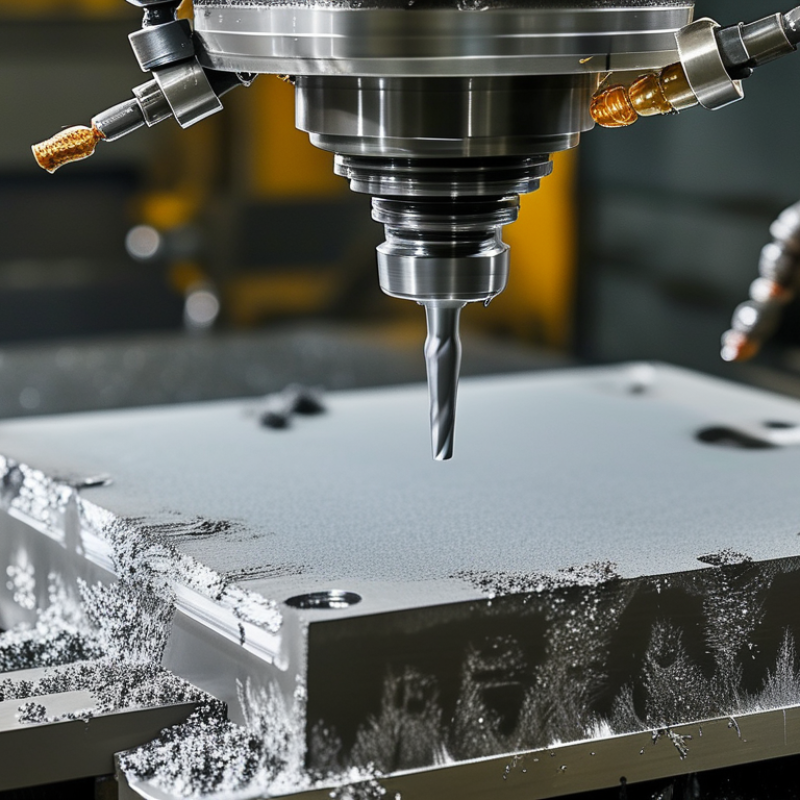
In CNC machining, rough surface finishes can stem from various factors. One common issue is improper tool selection. Using the wrong cutter can lead to more friction and heat, which affects the surface quality. Additionally, worn-out tools can create uneven surfaces, compromising the final product's integrity.
Machine settings also play a crucial role. Incorrect feed rates and speeds can result in chatter, creating a rough finish. When adjusting these parameters, test different speeds to find the optimal combination. Environmental factors, like temperature and humidity, impact machining performance too. Monitoring these can lead to better results.
**Tips:** Regularly inspect cutting tools for wear. Replace them when necessary to maintain quality. Experiment with different materials and coatings on tools. This can help reduce friction and enhance surface finish. Lastly, consider providing consistent cooling during machining to prevent overheating and a rough finish. Consistent practices lead to reliable outcomes.
Surface finish quality in CNC machining significantly affects the final product. Various factors contribute to a rough surface texture, which can diminish the performance and aesthetic appeal of machined parts. Identifying these factors is crucial for remediation.
Cutting parameters play a vital role. Incorrect feed rates or spindle speeds can cause excessive tool wear, resulting in a poor finish. If the tool is dull, it may leave behind uneven surfaces. Regular tool inspection is vital to maintain quality. Furthermore, selecting the right cutting tool material can lead to improved outcomes.
Tool path strategies also influence surface finish. A complex path might create more vibrations, affecting smoothness. Consider simpler tool paths for precision. Tips for refinement: minimize tool deflection and control coolant flow, as inadequate lubrication can lead to friction and heat, worsening the finish quality. Adjusting these elements requires experience and trial/error.
Lastly, the machine condition cannot be overlooked. A well-maintained CNC machine promotes a better finish. Regular checks on alignment and calibration ensure precision. Evaluating these factors thoroughly can guide towards smoother surface finishes, but sometimes, challenges remain in achieving perfect results. Continuous reflection on machining practices fosters improvement.
| Key Factors | Impact on Surface Finish | Recommended Solutions |
|---|---|---|
| Tool Condition | Worn tools can create rough surfaces. | Regularly inspect and replace worn tools. |
| Cutting Speed | Incorrect speeds can lead to chatter and uneven finishes. | Optimize cutting speeds according to material specifications. |
| Feed Rate | Too high or too low feed rates affect finish quality. | Adjust feed rates based on tool and material compatibility. |
| Coolant Usage | Inadequate cooling can lead to thermal distortion. | Ensure proper coolant flow and usage during machining. |
| Machine Calibration | Misaligned machines can produce uneven surfaces. | Regularly calibrate and maintain CNC machines. |
CNC machining can sometimes result in rough surfaces. This can lead to functional and aesthetic issues. Improving surface finish requires a mix of techniques.
One effective method involves adjusting the tool path. A smaller step-over distance can enhance the finish. Consider using a finishing tool after the rough cut. This step can reduce the marks left from the primary cutting tool. Additionally, ensure that the tools are sharp and well-maintained. Dull tools often create more vibration and increase roughness.
Tips to consider: Regularly inspect and clean tools. Use suitable feed rates based on material types. Fine-tuning the spindle speed can also help. Perhaps, it’s worth trying different tooling materials too. Sometimes, the issue may stem from incorrect fixturing. Ensure parts are securely held during the cutting process to avoid surface imperfections.
Another approach focuses on machining parameters. Experiment with different feed rates and speeds. Lower speeds can produce a smoother finish on some materials. Running a test cut before the main job can be useful. It allows for adjustments without affecting the actual production. Don’t overlook the coolant used; proper coolant can significantly impact surface quality.
Selecting the right tools is crucial for achieving a smooth CNC machining surface finish. Tool geometry plays a significant role in determining the quality of the finished product. A tool with the wrong angle could lead to poor cutting efficiency and increased wear. Operators should frequently assess tool condition and replace worn tools promptly. Neglecting maintenance can result in rough surfaces and reduced productivity.
A well-planned tool maintenance routine is equally important. Regular inspection can identify issues before they escalate. Lubrication reduces friction, which helps maintain surface finish quality. Operators should not overlook the importance of cooling strategies. Inadequate cooling can cause thermal distortion, leading to quality problems.
Every machining setup has its own unique challenges. Different materials may react differently to various tools. Knowing when to adjust your approach is vital. Experimentation can lead to discoveries that enhance performance and surface quality. Operators need to reflect on past mistakes to improve future practices. Continuous learning is key in the CNC environment.
Achieving an optimal surface finish in CNC machining relies heavily on effective quality control measures. Regular inspections during the machining process are essential. This includes using precision tools to measure surface roughness. Operators should be trained to recognize signs of deterioration in surface quality. They must be ready to address these issues promptly.
Additionally, proper machine calibration plays a significant role. Ensuring that the CNC machine is correctly calibrated can prevent many surface finish problems. This requires routine checks and adjustments. Even slight misalignments can lead to noticeable defects. Set up a schedule for equipment maintenance to minimize these risks.
It's important to document and analyze production data. Track surface finish results for every batch. Reflect on patterns and anomalies in these results. This data-driven approach can highlight areas needing improvement. Implementing a feedback loop can enhance machining practices. Continuous learning from past experiences is vital for maintaining high standards.
: Key factors include cutting parameters, tool path strategies, tool condition, and machine maintenance.
Incorrect feed rates and spindle speeds can cause excessive tool wear, leading to rough surfaces.
Regular tool inspection ensures sharpness and proper condition, contributing to a better surface finish.
Complex tool paths can create vibrations, negatively affecting the smoothness of the surface finish.
Use smaller step-over distances and switch to finishing tools after rough cuts.
Ensure regular checks on alignment and calibration to promote a better surface finish.
Dull tools can increase vibrations and leave irregular surfaces, worsening finish quality.
Proper coolant reduces friction and heat, significantly improving surface finish quality.
Yes, running a test cut allows adjustments without impacting actual production output.
Reflect on machining practices and experiment with different parameters for potential improvements.
When faced with the question, "why is my CNC machining surface finish rough," it is essential to understand the underlying causes that can lead to poor surface quality. Factors such as tool wear, incorrect feed rates, and inadequate cutting speeds can significantly impact the finish. Identifying and addressing these issues is crucial for enhancing the overall output.
To improve CNC machining surface finish, various techniques can be employed, including optimizing machining parameters, selecting appropriate tooling, and implementing regular maintenance practices. Furthermore, adhering to best practices for tool selection, ensuring proper calibration, and maintaining strict quality control measures are vital steps to achieving an optimal surface finish. By proactively addressing these factors, manufacturers can significantly enhance the quality of their machined parts, ensuring a smoother surface and better overall performance.

AcuTek CNC