How Much Electricity Does an Industrial CNC Machine Use in 2026?

Time:2026-08-02 Author:Henry
0%

As industries evolve, the power consumption of machinery becomes crucial. Understanding how much electricity does an industrial CNC machine use in 2026 is essential for manufacturers. According to a report by the International Energy Agency, industrial CNC machines account for a significant portion of energy usage in manufacturing sectors. In fact, it is estimated that CNC machines use around 40% of the total electricity consumed by industrial equipment.

However, factors influencing electricity consumption can vary widely. The design, size, and technology of the CNC machine play pivotal roles. Newer models often incorporate energy-efficient technologies, which can reduce overall power usage. Yet, many older machines remain in operation, and their inefficiencies raise concerns about sustainability and costs.

Moreover, companies may overlook the long-term savings of upgrading. While energy costs can fluctuate, the need for efficient power consumption remains constant. Businesses must regularly assess how much electricity an industrial CNC machine uses to align with both environmental goals and economic viability. This reflection on electricity consumption is essential for the industry's future.
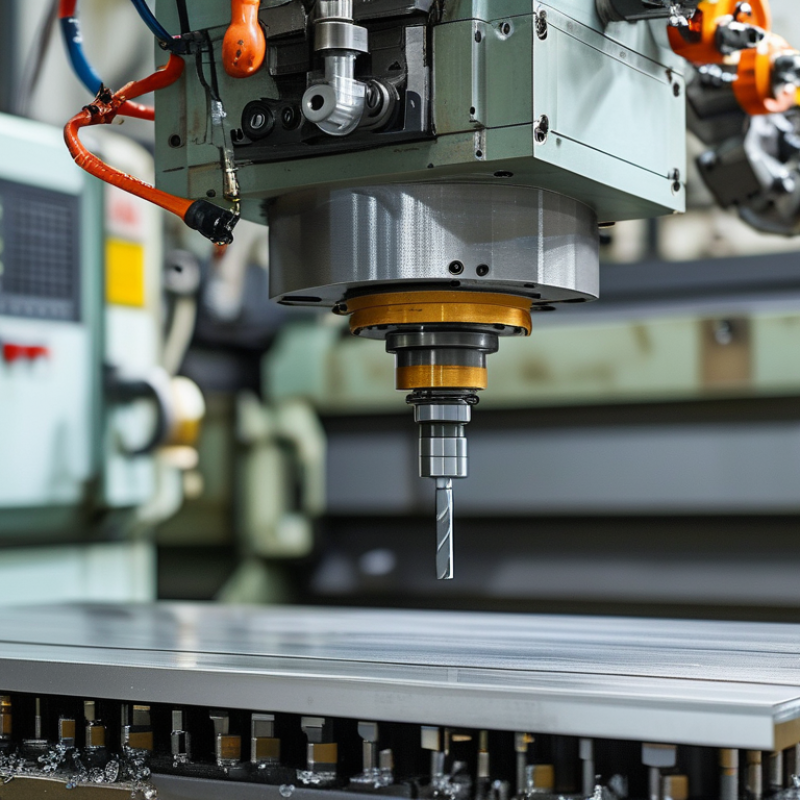
How Much Electricity Does an Industrial CNC Machine Use in 2026?

Electricity Consumption Trends for Industrial CNC Machines in 2026

In 2026, the electricity consumption of industrial CNC machines is expected to undergo significant changes. Data from recent industry reports indicate that the average power usage will range between 7 to 10 kWh per hour per machine. This increase stems from advancements in technology and the growing complexity of machining tasks. As manufacturers seek higher precision, machines often require more energy.

Moreover, energy efficiency remains a priority. Many firms are adopting energy-efficient CNC systems, which can consume up to 30% less electricity than older models. Switching to these advanced systems can lead to substantial cost savings. However, adoption challenges persist. Budget constraints and the need for technical training can slow down the transition.

Region-specific trends also highlight disparities in electricity usage. In North America, for instance, the growing emphasis on sustainable manufacturing practices drives lower consumption rates. Meanwhile, emerging markets may still rely on less efficient, older models, leading to higher energy demands. The gap in electricity consumption reflects broader issues in technology access and integration within the CNC sector.

Factors Influencing Power Usage of CNC Machines in Industrial Settings

In 2026, the electricity consumption of industrial CNC machines is influenced by several key factors. Machine types and their specific applications play a crucial role. For instance, high-speed machining centers may consume up to 40% more energy than conventional lathes. This increase can be attributed to their advanced features and faster operational speeds.

The complexity of the workpiece being machined significantly affects power usage. More intricate designs require longer processing times, thus consuming more electricity. According to industry reports, power consumption can vary by 25-50% depending on machining complexity. Operators must optimize their setups to minimize energy usage, balancing speed and quality with efficiency.

Another important factor is the type of tooling and material being processed. Harder materials often demand more power, raising overall energy costs. Recent studies indicate that switching to more efficient tools can decrease energy consumption by up to 20%. It’s critical for manufacturers to regularly assess their machinery and processes to align with sustainability goals.

How Much Electricity Does an Industrial CNC Machine Use in 2026? - Factors Influencing Power Usage of CNC Machines in Industrial Settings

Machine Type Average Power Consumption (kW) Operational Hours/Week Weekly Power Usage (kWh) Annual Power Usage (MWh)
CNC Milling Machine 15 40 600 31.2
CNC Lathes 10 40 400 20.8
CNC Plasma Cutter 20 30 600 31.2
CNC Router 12 40 480 25.0

Comparative Energy Efficiency of CNC Machines vs. Traditional Machinery

As industries evolve, energy efficiency becomes a focal point, especially in manufacturing. CNC (Computer Numerical Control) machines often stand out in energy discussions. These advanced machines have made significant strides in reducing electricity consumption compared to traditional machinery. For example, CNC machines often utilize servo motors that optimize energy use, unlike older gear systems that waste potential energy.

However, the gap in energy efficiency is not always clear-cut. Certain CNC models might not perform as efficiently if misconfigured or poorly maintained. Moreover, traditional machines often have a lower initial investment cost, which can mislead businesses into underestimating operating expenses. Many factories still rely on these older systems due to familiarity. The reality is that the true cost-effectiveness lies in ongoing operational costs, where CNC machines tend to shine.

It's essential for manufacturers to assess their specific needs before making a choice. Energy audits can provide insights into actual power consumption. While the move towards CNC technology is promising, some may hesitate. Balancing current operational reliability and potential gains requires thoughtful consideration. Adjusting the production line to include more energy-efficient machinery is not just a trend; it’s a necessary step towards a sustainable future.

Technological Advancements Impacting CNC Energy Requirements in 2026

In 2026, the energy needs of industrial CNC machines will change significantly. Technological advancements are driving more efficient machines. New sensors and smart controls help optimize energy usage. These innovations can reduce electricity consumption considerably.

For operators, embracing these technologies is essential. Regular maintenance of machines ensures they run efficiently. This can drastically lower energy bills. Monitoring energy usage can reveal patterns and help identify waste.

Consider using energy-efficient CNC machinery when upgrading. Look for machines with adaptive feed rates and power-saving modes. Staying informed about the latest energy technologies can enhance operations. Small changes can lead to substantial energy savings over time.

Estimating Operational Costs Based on CNC Electricity Consumption

In 2026, understanding the electricity consumption of industrial CNC machines is vital for estimating operational costs. These machines are energy-intensive, often requiring substantial power for precise operations. Typical CNC machines might consume anywhere from 5 to 20 kWh depending on their size and complexity. This factor plays a significant role in overall production costs.

Businesses must consider electricity rates when budgeting for CNC operations. A machine that consumes 15 kWh in an 8-hour shift could cost over $10 daily in energy alone. Therefore, organizations should calculate total energy costs by factoring in usage and local electricity prices. Operators need to monitor their CNC machines for efficiency. Regular maintenance can reduce energy use and improve performance. However, many overlook this aspect, leading to inefficiencies.

Investing in energy-efficient technologies may also be beneficial. While they might have a higher upfront cost, the long-term savings can outweigh that initial investment. Moreover, focusing on energy management, like optimizing cutting speeds, can lead to unexpected cost savings. Yet, achieving these efficiencies requires constant diligence, something that many factories struggle with.

How Much Electricity Does an Industrial CNC Machine Use in 2026?

This chart illustrates the estimated electricity consumption of industrial CNC machines in 2026, measured in kilowatt-hours (kWh) across different operation types. The data reflects a general trend based on typical CNC operations.

FAQS

: What is the main advantage of CNC machines in terms of energy efficiency?

: CNC machines generally reduce electricity consumption compared to traditional machinery.

Can CNC machines be inefficient?

Yes, poorly maintained or misconfigured CNC models may not perform efficiently.

Why do some businesses stick with traditional machinery?

Familiarity and lower initial costs often lead companies to use older systems.

How can manufacturers assess their energy needs?

Conducting energy audits can provide insights into actual power consumption.

What impact will technology have on CNC machines by 2026?

Technological advancements will lead to more efficient machines with better energy usage.

How can businesses lower their energy bills?

Regular maintenance and monitoring energy use can reveal patterns and identify waste.

What factors should organizations consider regarding CNC operational costs?

Electricity rates, machine consumption, and maintenance need to be factored in.

Are energy-efficient machines worth the investment?

Although they may have a higher upfront cost, the long-term savings can be significant.

What small changes can lead to energy savings?

Optimizing cutting speeds and utilizing power-saving modes can make a difference.

What is a common mistake factories make regarding energy efficiency?

Many overlook regular maintenance, leading to inefficiencies and higher operational costs.

Conclusion

In 2026, understanding "how much electricity does an industrial CNC machine use" becomes crucial as industries increasingly turn to advanced machining solutions. Trends indicate a shift towards greater energy efficiency, driven by technological advancements and innovations that optimize power consumption during operation. Factors such as machine design, operational protocols, and the specific applications significantly influence power usage in industrial settings.

Comparative analyses reveal that CNC machines are generally more energy-efficient than traditional machinery, further solidifying their position in modern manufacturing environments. As operational costs are increasingly tied to electricity consumption, accurate estimations will be essential for businesses looking to enhance profitability while minimizing energy expenditures in their CNC operations.

Henry

Henry

Henry is a dedicated marketing professional with a profound expertise in the company's offerings. With years of experience in the industry, he possesses an impressive understanding of the market dynamics and consumer behaviors that drive success. Henry is committed to sharing his insights through......