In the world of machining, many enthusiasts wonder how to convert a manual milling machine to CNC. This process can seem daunting but is achievable with the right approach. First, understand the importance of planning. A clear plan will guide your work and help avoid costly mistakes. You may face challenges, such as obtaining precise measurements and compatibility of components.
Choosing the right CNC conversion kit is crucial. Look for quality parts that fit your machine model. This decision impacts performance and durability. Installation might expose gaps in your knowledge. Embrace those moments; they often lead to learning breakthroughs.
Lastly, testing your newly converted CNC machine can be both exciting and nerve-wracking. Small errors may emerge, prompting you to troubleshoot. Reflecting on these challenges will strengthen your skills. Converting your manual mill to CNC is more than just a technical task; it's a journey of growth and discovery.
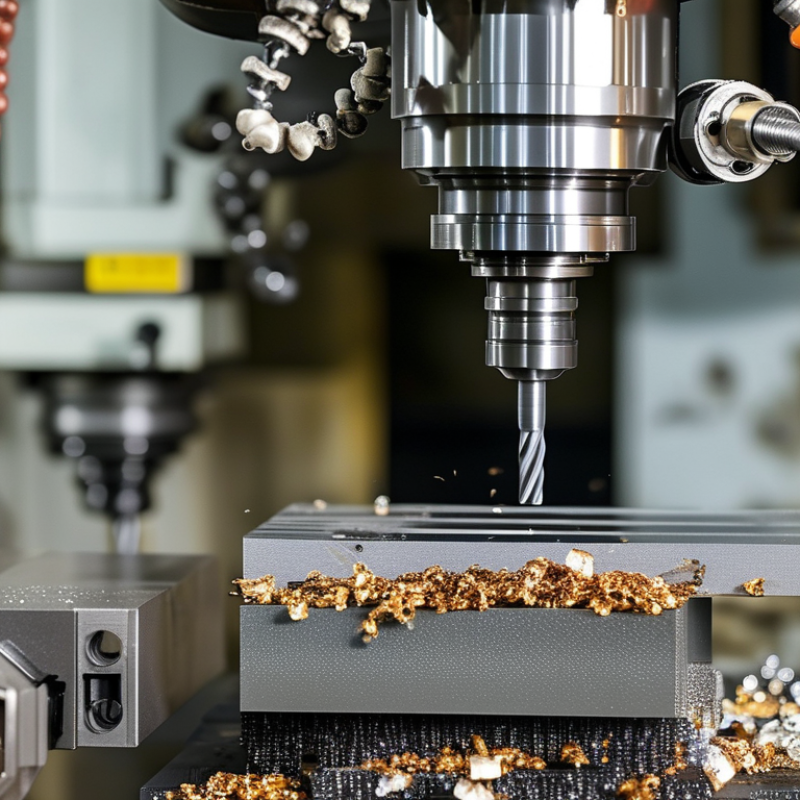
Understanding the Basics of CNC Conversion for Manual Milling Machines
Converting a manual milling machine to CNC requires a solid understanding of its mechanics. Begin by assessing your machine’s structure. The rigidity and stability of the frame are critical. A weak frame can lead to inaccuracies. Motor mounts should be robust and well-aligned. Any flex in the system may result in poor CNC performance.
Choosing the right components is crucial for an efficient conversion. Stepper or servo motors can drive the axis. Calculate the torque needed based on the machine's size and weight. Control systems play a vital role in performance. Ensure compatibility with your selected software. It can be challenging to troubleshoot issues during this phase. Familiarizing yourself with common problems will save time later.
Installation of linear rails is often overlooked. They enhance movement precision. Even slight misalignments can cause significant errors. Take your time with these adjustments. The wiring and connections need careful planning. Keep your workspace organized to avoid confusion. Mistakes can occur, and learning from them is part of the process.
Assessing the Cost-Effectiveness of CNC Conversion in the Industry
Converting a manual milling machine to a CNC (Computer Numerical Control) system can present significant cost benefits for many manufacturers. According to a report by the National Center for Manufacturing Sciences, CNC conversions can lead to productivity increases of up to 40%. This means companies using CNC technology can complete jobs faster and with greater precision, lowering overhead costs over time.
However, the initial investment for conversion should not be underestimated. Estimates suggest that costs may range from $2,000 to $10,000 depending on the machine and components used. The savings from reduced labor and material waste can offset this. Industry data indicates that over 60% of manufacturers see a return on their investment within the first year.
While the advantages are clear, challenges remain. Skilled labor is necessary to run CNC systems effectively, which may require additional training. Some businesses experience growing pains during this transition. It's important to carefully assess individual needs before proceeding. Not every manual machine is a good candidate for conversion. Consideration should be given to the machine's condition, available space, and specific production requirements.
Essential Tools and Components for Converting to CNC Milling
When converting a manual milling machine to CNC, having the right tools and components is crucial.
Start with a high-quality stepper motor. This motor will provide excellent torque and precision for your milling tasks.
A quality driver is another essential component. It controls the motor signals effectively, ensuring smooth movement.
Next, consider the CNC controller. This piece is the brain of your system.
It translates computer commands into precise movements.
Additionally, you’ll need limit switches for safety. They prevent the machine from moving beyond its mechanical limits.
These components enhance reliability and protect against potential damage.
Another important aspect is the software. Choose a reliable program that suits your needs.
Various options exist, each with unique features. Take the time to explore these.
You might face challenges in configuration. Adjusting settings can be tricky and requires patience.
Trial and error may be part of the process. Keep learning, and adapt as needed.
Overall, focus on quality tools and components to improve efficiency.
Your experience will shape the way forward.
Step-by-Step Process for Retrofitting a Manual Milling Machine
Retrofitting a manual milling machine to CNC can seem challenging, but a clear step-by-step process makes it manageable. First, assess your machine's structure and capabilities. Identify which components are crucial for the conversion, including the control system and drive motors. Measure the existing axes to determine the size of the new hardware.
Next, you can start disassembling the machine carefully. Take notes and pictures during this process for reference. It can be helpful to label parts or create a diagram to avoid confusion later. Installing the CNC components requires precision. Ensure that stepper motors or servos are aligned to avoid backlash in the system.
Tips: Always use quality components for better longevity. Low-cost parts may save money now but could lead to costly replacements. Test each stage of installation to catch issues early. Make adjustments as you go; don't force components that don't fit. Seek advice from forums or CNC communities when you're stuck. Many enthusiasts love sharing their experiences.
Finally, after assembly, focus on software integration. Configuring the control software can be daunting. Utilize online tutorials to learn about setting parameters. Testing your setup with simple programs will help you understand its behavior. Embrace potential errors as learning moments; they are part of mastering the CNC process. Keep a reflective approach to improve the next steps of your project.
Common Challenges and Solutions in CNC Conversion Projects
Converting a manual milling machine to CNC can present various challenges. One common issue is the compatibility of existing mechanical components. For instance, retrofitting stepper motors may require precise alignment. A 2023 report from the Precision Machining Association noted that 40% of CNC conversions fail at this stage due to improper fit.
Another significant challenge lies in the software aspect. Many hobbyists choose free or low-cost software, but this can limit functionality. A survey conducted by the Machine Tools Institute found that over 60% of CNC users reported difficulties with software integration. This often leads to frustration and wasted time. Investing in reliable software tools may seem expensive, but it can markedly improve project outcomes.
Wiring and electrical modifications are also frequently problematic. Properly configuring the control systems with the right voltage and current settings is crucial. A failure to do so can result in overheating or malfunctioning components. Addressing these electrical issues early on can prevent costly repairs later. Many converts overlook this step, leading to significant setbacks in their conversion projects.
Common Challenges in CNC Conversion Projects
FAQS
: Assess the machine's structure. Check the frame's rigidity and stability. A weak frame causes inaccuracies.
Robust and well-aligned motor mounts ensure better CNC performance. Flex in the system leads to poor results.
Consider stepper or servo motors. Calculate the torque based on your machine's size and weight for best results.
Installation of linear rails is vital. Align them precisely to avoid significant errors in movement.
Many hobbyists face difficulties with free software. Limited functionality can lead to frustration during projects.
Improper voltage and current settings can cause overheating. Early attention to wiring prevents costly repairs later.
Many overlook the correct configuration of control systems. This mistake leads to setbacks in conversion projects.
Keeping your workspace organized reduces confusion. Mistakes can happen, but learning from them is part of the process.
About 40% of conversions fail due to improper fit of mechanical components during retrofitting.
While it seems costly, good software improves project outcomes. It saves time and frustration in the long run.
Conclusion
Converting a manual milling machine to CNC is an intriguing process that requires a solid understanding of both CNC technology and mechanical principles. The conversion entails several key steps, starting with an assessment of the cost-effectiveness of such an upgrade within the industry. It is crucial to identify essential tools and components that will make the conversion efficient and effective.
The step-by-step retrofitting process involves installing motors, control systems, and software, while also addressing common challenges that may arise, such as ensuring precise alignment and calibration. By following these guidelines, one can effectively learn how to convert a manual milling machine to CNC, overcoming obstacles with practical solutions and enhancing machining capabilities significantly.

 AcuTek CNC