In the world of CNC turning, understanding G codes is essential for operators and programmers alike. G codes are programming commands that instruct CNC machines on how to perform various tasks. They play a crucial role in ensuring precision and efficiency in manufacturing processes. As noted by expert James Parker, an industry veteran, "Mastering G codes is vital for effective CNC turning operations."
When asking what are the common G codes used in CNC turning, beginners might feel overwhelmed. There are many codes, each serving different purposes, from moving the tool to setting the speed. Notably, G00 is used for rapid positioning, while G01 is for linear interpolation, allowing precise movement.
Operators often struggle with the multitude of codes. This complexity can lead to mistakes that affect production quality. Familiarity with the most common G codes is important for reducing errors. Ultimately, by grasping these essential commands, one can enhance their proficiency in CNC turning.
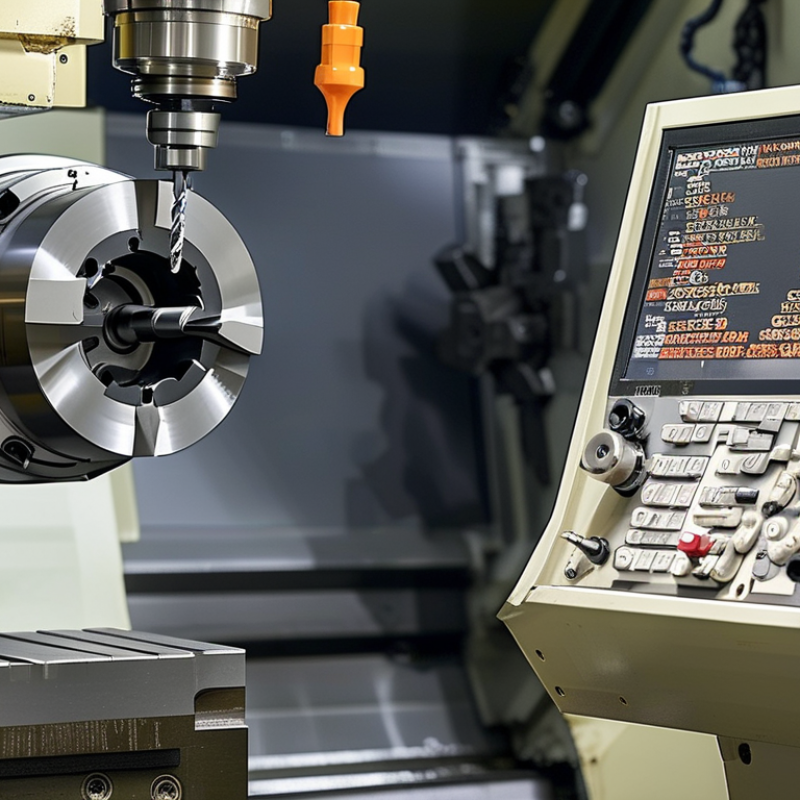
G codes play a crucial role in CNC turning machines, providing instructions that guide the machining process. These codes enable the machine to interpret various commands, resulting in the precise shaping of materials. For those new to CNC turning, understanding these codes can enhance productivity and accuracy. Common G codes include G00 for rapid positioning and G01 for linear interpolation.
When programming, consider the specific material and tooling involved. Each situation may call for a unique approach to G code application. One tip is to always double-check the code you input. A small mistake can lead to significant errors in your project. Testing with simulations can also save time and resources.
Precision is essential, but understand that imperfections can occur. Operators might misinterpret a code or make an error during setup. Documenting these mistakes can help improve future programming efforts. Developing a checklist can assist in verifying commands before execution. This practice minimizes risks and contributes to smoother operations in CNC turning.
G codes are essential in CNC programming, particularly in turning machines. They control the movements and operations of the machine. Each code corresponds to a specific function, allowing programmers to create precise instructions. For example, G00 is used for rapid positioning. This code moves the tool quickly to a specified coordinate without machining. It's vital to understand how to use this code effectively to minimize production time.
Another key code is G01, which controls the speed of linear interpolation. This command enables slow, controlled movement while cutting. Incorrect application can lead to issues, such as poor surface finish or tool wear. Precision is paramount in CNC turning, and mastering these codes is a step toward achieving high-quality output. Moreover, G02 and G03 deal with circular interpolation. Using these codes helps the programmer define arcs in the machining process.
While these codes seem straightforward, they require careful application and understanding. Mistakes in G codes can result in severe production inefficiencies. Programmers must continuously learn and adapt their skills to avoid common pitfalls. Regular practice and reflection on past projects can enhance programming abilities. Embracing the complexities of G codes is essential for successful CNC turning operations.
CNC turning machines rely heavily on G codes to execute various tasks efficiently. Understanding these commands is crucial for operators. They allow for precise control over the machining process. Among the commonly used G codes, G0 is vital for rapid positioning. It ensures parts move quickly to their target locations. Similarly, G1 enables linear interpolation. This code helps achieve smooth cuts while maintaining a consistent feed rate.
Another essential code is G2, which facilitates circular interpolation in a clockwise direction. This is useful for creating intricate shapes. Conversely, G3 executes circular moves counterclockwise. Operators must master these commands to enhance their workflow. G28 serves a critical role in returning the machine to its reference point, ensuring accuracy in measurements. Utilizing G codes correctly can streamline operations, but mistakes may lead to errors that require time-consuming corrections.
G-code programming can be daunting for beginners. The terminology and syntax might seem complex. Regular practice and hands-on experience are key. Operating a CNC turning machine necessitates caution; even a small error can result in significant downtime. Continuous learning through trial and error is essential for personal growth in CNC programming. Each operator must develop their own fluency with G codes to ensure efficiency and precision in their work.
G codes are essential for programming CNC turning machines. Each G code specifies a unique action that the machine will perform. Understanding these codes is crucial for effective operation. The right parameters can dramatically affect part quality and production efficiency.
For example, G00 is used for rapid positioning. This code helps the spindle move quickly to a designated point. However, haste can lead to inaccuracies or even machine damage if not used carefully. On the other hand, G01 is for linear interpolation. It allows for controlled movements while cutting material. Using the correct feed rate with G01 enhances precision in the final product.
Another important code is G20, which sets the machine to inches. Misunderstanding unit settings can result in disastrous size errors. G28 is for referencing, ensuring the machine returns to a known position. This step is essential for maintaining consistent production. Adjusting parameters like spindle speed or feed rate can be tricky. It’s vital to test changes and observe outcomes before full implementation.
| G Code | Description | Parameter Example |
|---|---|---|
| G00 | Rapid Positioning | G00 X50 Y50 |
| G01 | Linear Interpolation | G01 X25 Y25 F100 |
| G02 | Circular Interpolation Clockwise | G02 X20 Y20 R10 |
| G03 | Circular Interpolation Counter-Clockwise | G03 X20 Y20 R10 |
| G04 | Dwell | G04 P5 |
| G20 | Programming in Inches | G20 |
| G21 | Programming in Millimeters | G21 |
| G28 | Return to Home Position | G28 |
| G40 | Cancel Tool Radius Compensation | G40 |
| G90 | Absolute Programming | G90 |
In CNC turning, G codes are essential for controlling machine operations. The most commonly used codes include G00, G01, G02, and G03. G00 represents rapid positioning. This code allows machines to move quickly between points. In contrast, G01 is used for linear interpolation, ensuring precise cuts. According to a 2021 industry report, utilizing G01 effectively can reduce machining time by up to 30%.
Another important aspect of G codes is their application in circular movements. G02 and G03 are vital for programmed arcs. G02 specifies clockwise arcs, while G03 is for counterclockwise arcs. This functionality allows for complex geometrical designs, increasing the versatility of CNC turning machines. In a survey of manufacturers, 65% reported that mastering G codes enhanced their production efficiency.
Despite their benefits, improper use of G codes can lead to errors. For instance, using G00 instead of G01 can cause tool collisions. Additionally, over-reliance on rapid moves might compromise part quality. Long-term operation can also reveal mechanical wear, necessitating operator adjustments. Continuous training on G code application is crucial for maintaining production standards.
: G codes provide instructions that guide the machining process, enabling precise shaping of materials.
G00 is used for rapid positioning, allowing quick movement between points on the machine.
G01 is used for linear interpolation, ensuring precise cuts during the machining process.
Precision is crucial; errors can lead to significant issues in projects, affecting quality and efficiency.
G02 specifies clockwise arcs, while G03 is for counterclockwise arcs, useful for complex designs.
Operators should double-check codes and use checklists to verify commands before executing programs.
Testing with simulations can save time and resources by identifying potential errors before actual machining.
Using G00 instead of G01 can cause tool collisions and compromise part quality.
Long-term operation may reveal wear, requiring adjustments to maintain production standards and quality.
Documenting mistakes and seeking continuous training can enhance programming accuracy and overall efficiency.
In the realm of CNC turning machines, understanding G codes is crucial for effective programming and operation. G codes serve as the language of CNC machines, enabling them to perform various tasks with precision. In this article, we explore what the common G codes used in CNC turning are, including essential functions like movement, positioning, and tool functions, which facilitate a seamless machining process.
Additionally, we provide a detailed look at each commonly used G code, breaking down its syntax and parameters, ensuring that programmers can effectively implement them in their projects. Through practical applications and examples, readers will gain insight into how these G codes can be utilized in real-world CNC turning scenarios, enhancing both efficiency and productivity in machining operations.

AcuTek CNC