How to Lubricate a CNC Machining Center Way System in 2026?

Time:2026-11-11 Author:Mason
0%

A CNC machining center depends on a thin, steady lubricant film between its sliding ways. Without it, friction can rise, motion may become uneven, and wear can accelerate. Too much oil is not harmless either. It can collect chips and fine dust around covers and wipers. Small details matter.

This guide explains how to properly lubricate a cnc machining center way system while respecting differences between machine designs. The correct lubricant, delivery rate, and interval depend on the manufacturer’s specifications and the machine’s operating conditions. Check the manual before changing settings. A centralized lubrication unit may use metering devices that deliver measured amounts to specific points. On other machines, lubrication procedures differ. Never assume that one oil or schedule suits every center.

Good maintenance involves more than filling a reservoir. Inspect the oil level, confirm that lines and indicators function, and look for leaks, blocked passages, or unusual dryness along the ways. Wipe away visible contamination with a clean, lint-free cloth where the service instructions allow. Keep chips away from exposed sliding surfaces. A shiny rail is not proof of proper lubrication. I have seen appearance alone lead to false confidence; flow and condition checks matter more. Not always obvious. If a way looks dry, a metering alarm appears, or motion changes, stop and investigate according to the machine’s service guidance. Careful records help reveal patterns—and sometimes show that a routine needs review.
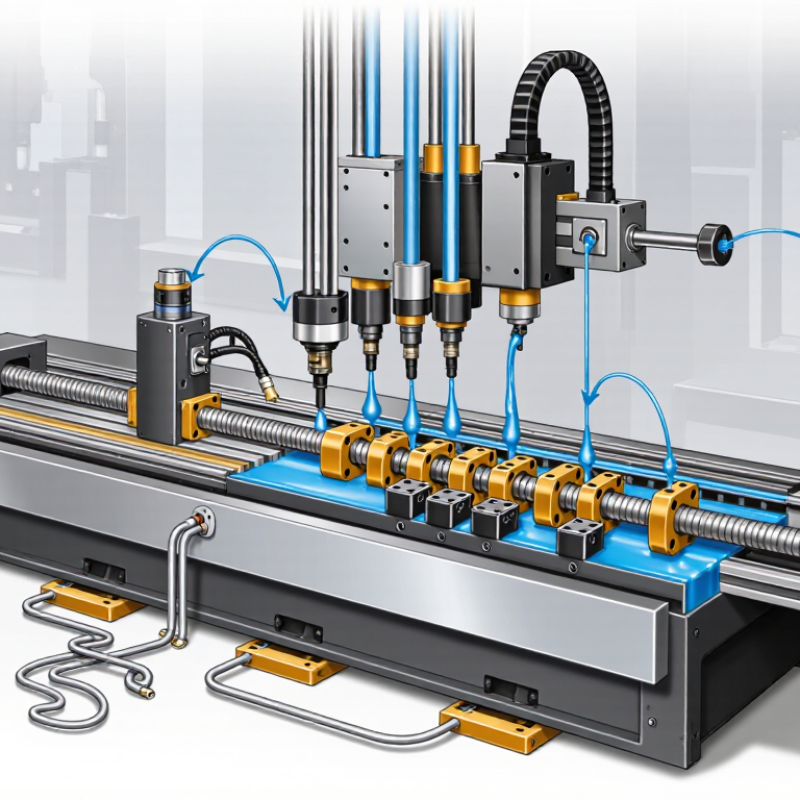
How to Lubricate a CNC Machining Center Way System in 2026?

Review Machine-Specific Lubricant Requirements and Safety Procedures

Before lubricating a CNC machining center’s way system, check the machine manual and lubrication diagram. Required oil type, viscosity, and feed intervals vary by model and operating conditions. Do not assume way lubricant can replace hydraulic oil; similar appearance proves nothing. If a label is missing, pause and confirm the specification with qualified service personnel. Guessing is not maintenance.

Make the machine safe according to its shutdown and energy-isolation procedure. Relieve stored pressure only as the manual directs, and keep hands clear of moving axes and pinch points. Wear suitable gloves and eye protection. Wipe dirt from the fill area before opening it, so debris cannot enter the reservoir. Add only the specified lubricant, then check the sight glass or level indicator. Do not overfill. A clean rag helps.

After restarting under the approved procedure, verify that the lubrication cycle runs and that lines show no leaks or blockage. Watch for uneven film, dry-looking ways, or an unexpected alarm. Stop if flow seems abnormal. Record the lubricant, date, and observed condition; records are sometimes incomplete, so note uncertainty rather than filling gaps with guesses. Keep lubricant off floors and dispose of oily materials through the site’s established waste process.

Prepare the CNC Center and Secure It for Maintenance

Park the CNC center in the maintenance position specified in its service manual. Remove the workpiece and loose tools, then wait until the spindle and all axes have stopped. Shut down the machine and isolate electrical, pneumatic, and hydraulic energy as applicable. Follow your site’s lockout procedure, then verify that the machine cannot start unexpectedly. It matters.

Some axes can move under gravity or stored pressure, even after power is off. Secure them only with approved supports or restraints; never rely on the control screen or an improvised block. Release stored pressure only as the manual directs. I have seen preparation rushed because the machine looked inactive. That assumption is not enough. Keep guards in place until isolation is confirmed.

Clear chips around the way covers with a suitable brush or vacuum, and wear eye protection. Avoid pushing debris into openings with a cloth or blowing it deeper with compressed air. Set out clean, lint-free wipes, the specified lubricant, and a safe way to collect drips. Make sure the work light reaches the exposed way surfaces. A dim corner can hide a chip or a damaged seal. Before opening anything, check that the floor is dry and the maintenance area is clear.

Inspect and Clean the Ways, Wipers, and Lubrication Points

Before lubricating a CNC machining center, consult its service manual for the approved shutdown and isolation procedure. Let the machine cool if coolant or nearby parts are hot. Look closely. Use a clean, lint-free cloth to remove chips and dried coolant from exposed ways. Wipe along the travel direction, not across the surface, so debris is less likely to collect at the edges. Avoid abrasive pads and unapproved solvents, which can damage finished surfaces or seals. Check for scoring, rust, or stubborn residue; do not scrape it away with a hard tool.

Inspect the wipers for torn edges, hardened sections, or chips trapped underneath. A damaged wiper can spread contamination, so replace it as directed before running the machine. Clean accessible lubrication points, then check the reservoir, visible lines, and fittings for low oil, kinks, or leaks. Use only the lubricant and quantity specified for that machine. A clean-looking way can still hide a blocked line. Run the prescribed lubrication test and confirm that oil reaches the points; stop if flow is uneven or absent. A thin film is normal. Puddles are not. Wipe away excess oil, which can hold chips against the ways.

How to Lubricate a CNC Machining Center Way System in 2026

Inspect and clean the ways, wipers, and lubrication points.

Illustrative cadence for a 20-workday month: visually inspect exposed ways and wipers each workday, clean exposed ways weekly, and verify lubricant delivery monthly. These intervals are examples, not universal specifications; follow the machine builder’s maintenance schedule and use only the specified lubricant.

Fill, Prime, and Test the Way Lubrication System

How to Lubricate a CNC Machining Center Way System in 2026?

Fill, Prime, and Test the Way Lubrication System

Start with the machine stopped and the ways clear of chips. Check the maintenance manual for the specified lubricant and filling procedure. Using the wrong oil can affect film strength and metering. Inspect the reservoir, cap, hoses, and visible fittings for dirt, cracks, or leaks. Fill to the marked level, not above it. A clean funnel helps keep debris out.

Prime the system using the machine’s designated control or service procedure. Do not assume that a full reservoir means oil has reached every line. Watch the distribution indicators, if fitted, and check accessible way surfaces for a light, even film. Then run a short, low-risk axis movement and inspect again. Oil should reach the sliding surfaces without pooling. If flow seems uneven, stop and investigate; trapped air or a blocked line may be the cause. Small details matter.

Tips: Use a lint-free cloth to wipe away excess oil before testing. Record the lubricant level and any unusual delay in flow. Check again after the first operating cycle, because a line can look sound and still need attention. Follow the machine maker’s service instructions whenever the layout is unfamiliar.

Verify Lubricant Delivery and Set a Maintenance Schedule

Way lubrication protects a CNC machining center only when oil reaches the sliding surfaces at the intended rate. Keep the machine’s service manual nearby; lubricant type and metering settings vary by design. With the machine safely stopped, inspect the reservoir, lines, fittings, and metering units for leaks, kinks, or hardened residue. Do not guess. A full tank proves little.

Run the lubrication cycle according to the machine instructions. Then check for fresh oil at accessible way surfaces and confirm the pump indicator or pressure signal responds. Use a clean light and inspect both ends of the travel, not just the area near the wiper. Check both ends. If a point stays dry, investigate a blocked line, failed meter, or air in the circuit. Do not compensate by pouring oil onto the way. Wipe away excess lubricant and chips without pushing debris under the wiper.

Set the schedule from the manual, then review it against duty cycle, operating hours, and coolant or chip exposure. At shift start, check the level and alarms. Weekly, inspect visible lines and way surfaces; during scheduled service, verify delivery at each point and record findings. These checks do not replace specified service intervals. Log top-ups, leaks, and recurring dry spots. A normal pump sound does not confirm that every way is lubricated.

FAQS

How do I choose the correct way lubricant?

Check the machine manual and lubrication diagram. Oil type, viscosity, and feed intervals vary by machine.

Can way lubricant replace hydraulic oil?

No. Similar appearance proves nothing. Confirm each oil specification before filling.

What should I do if the lubricant label is missing?

Pause and ask qualified service personnel. Guessing is not maintenance.

How should I prepare the machine before filling?

Follow its shutdown and energy-isolation procedure. Keep clear of moving axes and pinch points.

How can I keep dirt out of the reservoir?

Wipe the fill area first. Use a clean funnel and lint-free cloth.

How much lubricant should I add?

Fill to the marked level, not above it. Check the sight glass or level indicator.

Does a full reservoir mean every line is primed?

No. Watch distribution indicators and check accessible ways for a light, even film. A full tank can fool you.

What should I check after restarting?

Use the approved procedure. Look for leaks, blocked lines, dry-looking ways, uneven oil, or alarms.

What should I do if oil flow seems uneven?

Stop and investigate. Trapped air or a blocked line may be responsible.

What details should I record?

Note the lubricant, date, level, and observed condition. Records can be incomplete; mark uncertainty rather than guessing.

Conclusion

Properly lubricating a CNC machining center’s way system begins with checking the machine’s service documentation for the specified lubricant, application points, and safety precautions. Before maintenance, shut down and secure the machine according to its procedures, allow moving parts to stop, and protect the work area. Carefully inspect the ways, wipers, and lubrication points for residue, debris, damage, or signs of uneven lubrication, then clean them using methods suitable for the machine.

To understand how to properly lubricate a cnc machining center way system, refill the reservoir with the approved lubricant without introducing contaminants, and prime the system as directed. Run the lubrication cycle and check that lubricant reaches the required points evenly. Watch for leaks, blocked lines, or unusual movement, and address any concerns before returning the machine to service. Record the maintenance and establish a schedule based on operating conditions and manufacturer guidance, with regular checks to help maintain smooth motion and protect the ways from premature wear.

Mason

Mason

Mason is a seasoned marketing professional with a deep expertise in the company's offerings and a passion for driving brand awareness. With a strong background in digital marketing strategies, he has an innate ability to connect with diverse audiences and effectively communicate product benefits.......