CNC lathes are essential tools in precision manufacturing. However, operators often encounter a frustrating issue: tapered cuts. The question arises, "why is my CNC lathe cutting tapered?" This problem can stem from various factors, including improper setup, tool wear, or machine misalignment. Reports indicate that precision errors can lead to a significant increase in production costs, affecting overall efficiency.
Studies show that over 30% of CNC lathe issues are related to tool alignment and setup errors. This often results in parts that do not meet specifications. In turn, this creates additional machining cycles. To maintain proper functionality, regular inspection and maintenance are crucial. Yet, many operators overlook this, leading to diminished performance. The need for a systematic approach to troubleshooting cannot be overstated.
Understanding the root causes of tapering can improve product quality significantly. Addressing tool condition and ensuring correct machine settings can pave the way for enhanced precision. As industry standards continue to evolve, staying informed about best practices remains vital. Machine operators must adapt and refine their processes consistently.
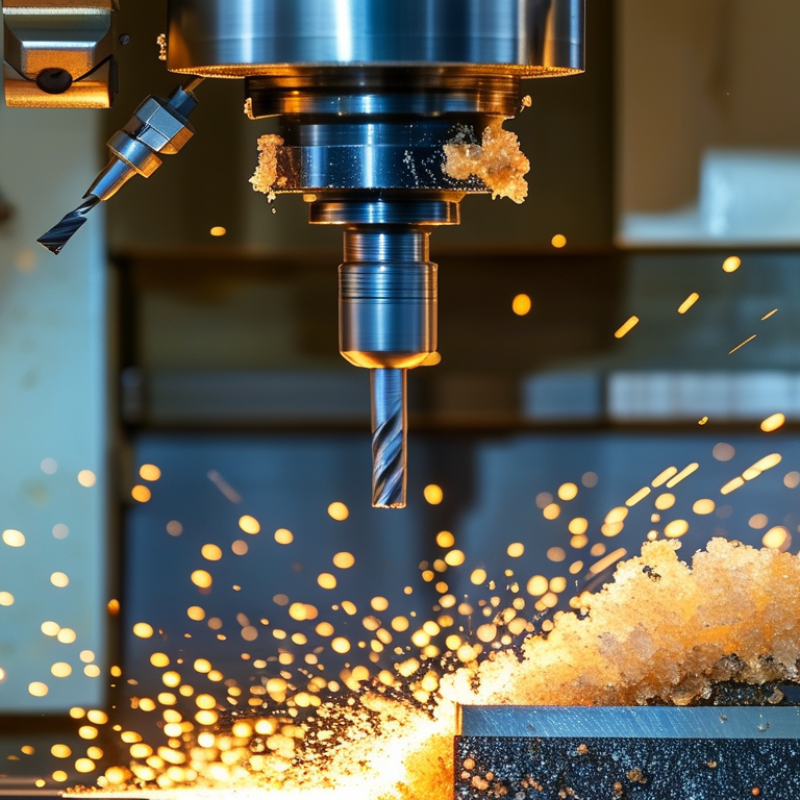
Tapered cuts in CNC lathes can be frustrating for operators. Understanding the causes is essential for effective troubleshooting. One major reason for tapering is improper tool alignment. A misaligned cutting tool can lead to uneven material removal, resulting in a tapered edge. Regularly check your tool setup to ensure everything is square.
Another potential culprit is wear on the cutting tool. A dull or damaged tool will not cut uniformly, leading to a tapered profile. Regular inspection and replacement of cutting tools are crucial to maintaining precision. Keep track of tool life and make timely adjustments.
Tips: Check your tool offsets frequently. Small misalignments can cause significant issues over time. Also, consider your workpiece setup. Even minor errors in securing the workpiece can lead to inconsistencies.
Lastly, the feed rate can impact tapering. An incorrect feed rate may not allow the tool to remove material evenly. Experiment with different settings to find the optimal rate for your specific application. Staying keenly aware of these factors can help minimize tapering in your CNC lathe projects.
This chart illustrates the common causes of tapered cuts in CNC lathes based on observed data. The results highlight the percentage contribution of each factor to the issues encountered when using CNC lathes.
When working with CNC lathes, accuracy is paramount. Several key components directly influence cutting precision. The spindle, for instance, must operate smoothly and be correctly aligned. Misalignment can lead to tapered cuts, frustrating operators. Regular checks are essential for maintaining spindle precision.
Next, tool wear plays a significant role in machining quality. Worn tools can create uneven cuts. Operators should inspect tools frequently and replace them when necessary. Additionally, the way tools are set in the turret affects the overall accuracy. A slight misalignment can result in noticeable tapering in the final piece.
Lastly, the workpiece itself must be secured properly. Any movement during machining can compromise precision. Fixtures should hold the part rigidly. Regular calibration of the CNC lathe is also crucial. Inaccurate calibration can lead to unexpected results. Maintaining these components is key to achieving a consistent, high-quality finish in every project.
| Component | Impact on Accuracy | Common Issues | Solutions |
|---|---|---|---|
| Chuck Alignment | Improper alignment can cause cutting inaccuracies. | Workpiece may not be held evenly. | Realign and adjust the chuck as necessary. |
| Tool Wear | Dull tools can lead to inconsistent cutting depth. | Tapering can occur if the cutting edge is worn. | Regularly inspect and replace tools as needed. |
| Machine Calibration | Poor calibration affects cutting dimensions. | Cuts that are not uniform in size. | Perform calibration checks regularly and adjust settings. |
| Workpiece Setup | Improperly set workpieces can shift during cutting. | Inconsistencies in the finished product. | Securely fasten the workpiece before starting. |
| Feed Rate | Incorrect feed rate can affect surface finish and taper. | Excessive taper due to rapid feeding. | Adjust feed rates according to material and tooling. |
When faced with tapered cuts on your CNC lathe, diagnosing the issue can be frustrating. Start by examining the alignment of your machine. Misalignment is a common culprit. Check the tailstock and headstock to ensure they are properly aligned. Small deviations can lead to tapered cuts. Use a dial indicator for precision.
Next, consider the tooling. Worn or damaged inserts can produce uneven results. Inspect the cutting tools for wear and replace them if necessary. Pay attention to the tool's angle and depth of cut as well. Adjust them according to the material specifications to avoid inconsistencies.
Another area to reflect on is the rigidity of your setup. Vibration can cause tapering issues. Ensure that your workpiece is secured tightly. If the material is flexible, consider using supports or fixtures. Lastly, evaluate your feed rate and spindle speed. Improper settings can exacerbate cutting problems. Make adjustments based on the material type and desired finish for optimal results.
When dealing with tapered cuts on a CNC lathe, understanding machine settings is crucial. An industry report indicates that improper alignment or settings cause up to 30% of taper issues in CNC machining. Ensuring the workpiece is properly secured and aligned eliminates many common errors. Operators should regularly check for wear on tool holders and ensure they are properly tightened.
Adjusting feed rates also plays a vital role. A feed rate that is too fast can lead to inadequate cutting, resulting in tapered edges. According to a study from a leading manufacturing association, optimal feed rates should be calculated based on material type. For instance, softer materials require slower feed rates to achieve accuracy. Monitoring the spindle speed is equally important; speeds that are too high may cause deflection, leading to tapered cuts.
It's essential to calibrate the tool offsets. A slight miscalibration can lead to significant taper over long cuts. Regular calibration checks ensure consistency. However, operators often overlook this step, leading to recurring issues. Reflecting on past setups can help identify patterns in errors. Addressing these areas with precision reduces the likelihood of tapered cuts significantly.
Maintaining your CNC lathe is crucial to prevent tapered cuts. Regular inspection of the machine components should become a habit. Check the alignment of the spindle and tailstock regularly. Misalignment is a common cause of tapering. Adjustments can sometimes be tricky, but they are necessary for precision.
Tool wear affects the quality of cuts. Periodically inspect your cutting tools for wear and tear. Dull tools can create uneven surfaces. This can lead to tapering. Replacing them when they show signs of wear can make a difference. Don't overlook the importance of using the right tool for each job.
Lastly, keep the machine clean and well-lubricated. A buildup of debris can impact performance. Follow a proper lubrication schedule to maintain optimal function. Reflect on your maintenance routines. Are they consistent? Regular upkeep is key to achieving precise results. Taking these steps can significantly minimize the risk of tapering in your CNC machining projects.
: Improper tool alignment and wear are major causes. Misaligned tools lead to uneven cuts.
Regularly check the tool setup. Use a dial indicator to confirm alignment accuracy.
Inspect tools frequently and replace them when necessary. Dull tools won't cut uniformly.
Yes, an incorrect feed rate can lead to uneven material removal. Experiment with different rates.
Vibration from a flexible workpiece can cause tapering. Secure the workpiece tightly to prevent this.
High spindle speeds can cause deflection, resulting in tapered cuts. Monitor and adjust settings based on material type.
Regular calibration checks are essential. Overlooking this step can lead to repeated tapering issues.
Many operators forget to check tool offsets regularly. This oversight can cause significant cutting errors.
Reflect on past setups and adjustments. Analyze what went wrong to prevent future problems.
A poorly secured workpiece can lead to inconsistencies. Proper alignment is key for precise results.
In the article "Why is My CNC Lathe Cutting Tapered? How to Fix It?", we explore the various reasons that can lead to tapered cuts in CNC machining. Understanding the root causes is essential, as factors such as tool wear, alignment issues, and material inconsistencies play a significant role in affecting the accuracy and precision of the lathe. The article provides a thorough step-by-step troubleshooting guide to help operators identify and rectify cutting issues, along with best practices for adjusting CNC lathe settings to ensure consistent results.
Moreover, it emphasizes the importance of regular maintenance in preventing tapered cuts. By adhering to proactive maintenance tips and regularly checking key components, operators can significantly reduce the likelihood of encountering issues that cause their CNC lathes to cut tapered. This comprehensive approach not only enhances machining quality but also prolongs the lifespan of the equipment.

AcuTek CNC