What Causes Chatter in CNC Milling and How to Fix It?

Time:2026-07-08 Author:Mason
0%

Chatter in CNC milling is a common problem that affects product quality and processing efficiency. It leads to poor surface finishes and reduced tool life, resulting in increased costs. According to a report by the National Institute of Standards and Technology, up to 30% of manufacturing time can be wasted due to chatter-related issues. This emphasizes the importance of understanding what causes chatter in CNC milling and how to fix it.

Industry expert Dr. James Collins states, “Chatter can be mitigated through careful analysis of cutting parameters.” His insights highlight the significance of proper feed rates, spindle speeds, and tooling choices. Unchecked, chatter can lead to catastrophic failures, affecting not only the workpiece but also the machine itself.

Addressing this issue requires a blend of experience and advanced technology. Techniques such as modal analysis can identify vibration frequencies. However, many manufacturers find it challenging to adapt these solutions. This reflects a gap in knowledge that needs closure. By increasing awareness on what causes chatter in CNC milling and how to fix it, businesses can enhance their operational efficiency and product quality.
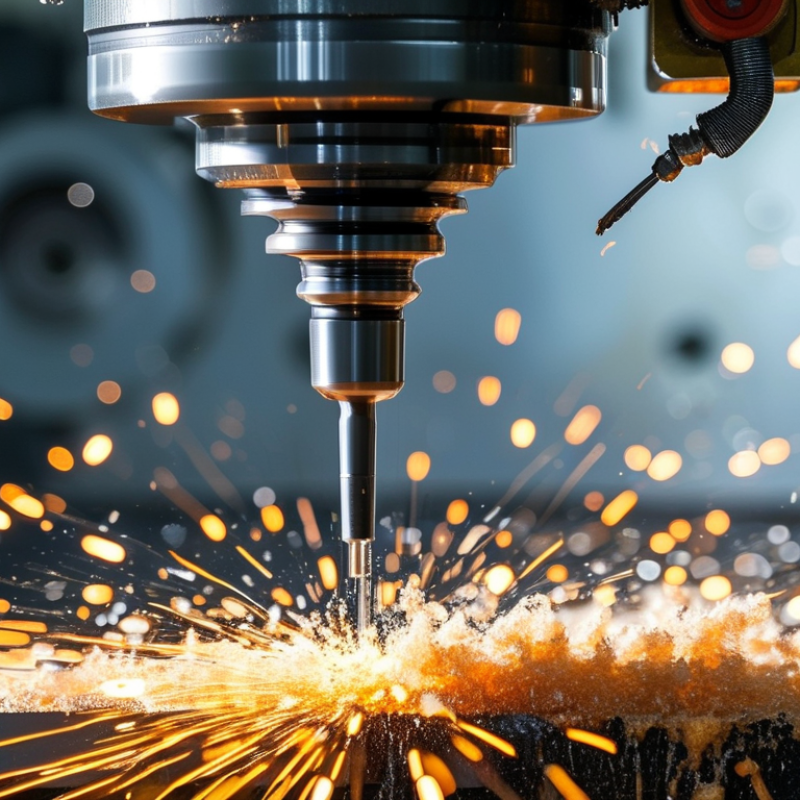
What Causes Chatter in CNC Milling and How to Fix It?

Understanding Chatter in CNC Milling: An Overview

Chatter in CNC milling is often a frustration for machinists. It arises from the interaction between the cutting tool and the workpiece. This phenomenon can lead to diminished part quality and increased tool wear, creating inefficiencies in production. Understanding the sources of chatter is crucial for effective resolution.

Several factors contribute to chatter. These include machine rigidity, cutter geometry, and cutting parameters. A less rigid setup allows for unwanted vibrations. Selecting improper cutting speeds and feeds can exacerbate the issue. The chatter often manifests as a distinct noise, which can serve as an early warning. Monitoring sound levels can help operators identify problems before they escalate.

Making adjustments requires both experience and observation. Testing different speeds and feed rates might yield better results. Reinforcing the machine's setup can also help. Sometimes, simply changing the tool can minimize chatter. Each milling scenario is unique; not every solution works universally. Reflecting on what works in one situation may lead to insights in another.

Common Causes of Chatter During CNC Milling Operations

Chatter in CNC milling can disrupt operations and lead to poor surface finishes. This phenomenon often results from a combination of factors like tool geometry, material properties, and cutting conditions. Each of these elements can introduce vibrations that resonate throughout the machining process. Identifying the specific cause of chatter is crucial for effective resolution.

One common cause is improper tool selection. Tools that do not match the material can create excessive forces. This imbalance contributes to vibrations. Another factor is the spindle speed. If this speed isn’t optimized, it may lead to chatter. Listening to the machine can provide clues. A sharp sound often indicates an issue.

**Tips:** Adjust spindle speeds incrementally. Test different speeds to find the sweet spot. Ensure the tool is well-maintained. Regular checks can prevent minor issues from escalating. Sometimes, changing the clamping method helps too. Using a more rigid setup reduces movement. Proper fixturing adds stability, minimizing vibrations during milling.

Common Causes of Chatter in CNC Milling Operations

Effects of Chatter on Workpiece Quality and Machine Performance

Chatter in CNC milling can significantly impact workpiece quality and machine performance. It can create vibrations during machining, leading to rough surfaces and dimensional inaccuracies. Affected parts may require additional finishing processes, increasing production time and costs.

The effects of chatter can also extend to the machine itself. Prolonged vibrations can cause wear on cutting tools, reduce their lifespan, and even damage spindle components. This can lead to unforeseen breakdowns and maintenance issues. Operators must recognize the signs of chatter early to mitigate damage and maintain productivity.

Tips to Reduce Chatter: Adjusting spindle speed and feed rates can help. Changes in these parameters may stabilize machining conditions. Also, using the right tooling and ensuring proper tool setup is crucial. Experiment with different tools to find what works best.

Another essential aspect is machine rigidity. Ensure that the CNC machine is properly secured and that the workpiece is firmly clamped. Regularly check for wear on components. Any play or looseness can exacerbate chatter issues. Addressing these factors can lead to a noticeable improvement in output quality and machine reliability.

Preventive Measures and Solutions to Mitigate Chatter

Chatter in CNC milling can be a frustrating issue. This vibration is not just noise; it affects precision and surface finish. However, there are preventive measures and solutions to mitigate these problems effectively.

One common fix is to adjust spindle speed. Lowering the speed can reduce vibration. Additionally, consider changing the cutting tool's geometry. Using sharper tools can also minimize chatter. Ensuring that the workpiece is securely clamped is crucial. A stable setup reduces movement that could lead to vibrations.

Regular maintenance of CNC machines is vital. Check for wear in components like bearings and belts. Also, examine the machine's rigidness. Machines with a solid structure tend to resist chatter better. Operators should also monitor the cutting parameters closely. By tweaking depth of cut and feed rates, better results can often be achieved. Each of these solutions helps create a smoother milling process.

Best Practices for CNC Milling to Avoid Chatter Issues

Chatter in CNC milling can disrupt precision and lead to costly errors. Understanding how to minimize this issue is essential for maintaining quality. One effective approach is to use optimal spindle speeds that match the material and tool. A speed that's too high can amplify vibrations. Conversely, too low of a speed might not cut efficiently. Always monitor the sound and feel of the machine during operation.

Another fundamental practice is ensuring the rigidity of the setup. The workpiece should be securely clamped, and the tool must be sharp and appropriately sized for the job. Dull tools not only produce poor cuts but can also introduce unwanted vibrations. Using dampening strategies, such as vibration-dampening holders, can also help mitigate chatter.

Maintaining proper feed rates is equally important. High speeds might seem effective but can lead to instability if not managed. Testing different settings and listening to feedback from the machine can help to identify optimal conditions. Regularly reviewing setup processes and results fosters a better understanding of how to avoid chatter. This trial and error can lead to significant improvements in milling operations.

FAQS

: What is chatter in CNC milling?

: Chatter is a vibration that occurs during machining, affecting workpiece quality and machine performance.

How does chatter impact workpieces?

Chatter causes rough surfaces and dimensional inaccuracies, possibly requiring extra finishing processes.

What effects does chatter have on machines?

Prolonged chatter can wear cutting tools, damage spindle components, and increase maintenance issues.

How can operators recognize chatter?

Operators should be alert to vibrations and inconsistent machining results. Early detection is crucial.

What can be done to reduce chatter?

Adjusting spindle speed and feed rates can stabilize machining conditions and reduce chatter.

Why is machine rigidity important?

A stable, securely clamped workpiece reduces movement and vibrations, improving overall machining performance.

How often should CNC machines be maintained?

Regular maintenance is essential. Check for wear in components like bearings and ensure machine rigidity.

Can tool selection affect chatter?

Yes. Using the right tooling, particularly sharper tools, can help minimize vibrations during machining.

What role do cutting parameters play?

Monitoring and adjusting depth of cut and feed rates can lead to smoother milling processes.

Is there a perfect solution to eliminate chatter?

No solution guarantees total elimination, but preventive measures can significantly reduce its occurrence.

Conclusion

Chatter in CNC milling is a common issue that can significantly impact workpiece quality and machine performance. Understanding what causes chatter in CNC milling and how to fix it involves recognizing factors such as tool vibration, improper cutting parameters, and machine rigidity. Chatter can lead to poor surface finishes and dimensional inaccuracies, which is detrimental to production efficiency.

To mitigate chatter, it is crucial to implement preventive measures including optimizing feed rates, choosing the right cutting tools, and ensuring proper machine setup. Additionally, adhering to best practices such as regular maintenance and adjusting machining strategies can help minimize the occurrence of chatter. By addressing the root causes and applying effective solutions, manufacturers can enhance their CNC milling operations and achieve superior workpiece quality.

Mason

Mason

Mason is a seasoned marketing professional with a deep expertise in the company's offerings and a passion for driving brand awareness. With a strong background in digital marketing strategies, he has an innate ability to connect with diverse audiences and effectively communicate product benefits.......