Calculating spindle speed and feed rate for aluminum is crucial in machining. Proper settings lead to better finishes and tool life. Understanding "how to calculate spindle speed and feed rate for aluminum" helps in achieving these goals.
Machining aluminum requires specific considerations. Aluminum has unique properties, including its softness and heat conductivity. Because of this, the spindle speed must be adequately set to avoid overheating. Tools often wear out quickly if speeds are miscalculated.
A clear approach is essential. Using formulas and charts can guide you, but they might not always suit every scenario. Real-world variations such as tool type and machine capacity can influence results. It's important to reflect on past experiences and adjust calculations for optimal performance.
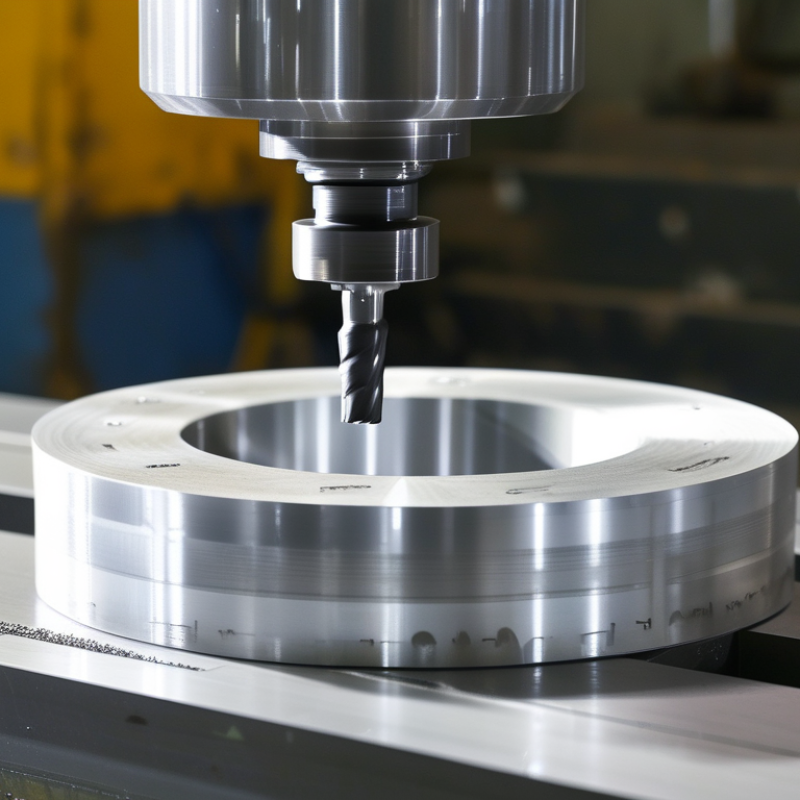
Spindle speed is crucial in machining, especially for aluminum. It directly affects the quality of the cut and overall efficiency. The spindle speed determines how fast the cutting tool rotates. This can enhance the material removal rate. Research indicates optimal spindle speeds for aluminum range from 10,000 to 20,000 RPM. This ensures adequate performance while avoiding tool wear.
Understanding spindle speed aids manufacturers in maintaining precision. A report by the Manufacturing Institute highlights that improper spindle speed increases the risk of defects. These defects may lead to costly reworks and delays. Accurate spindle speed also influences surface finish quality. Poor choices can result in rough surfaces, necessitating additional finishing operations.
Many machinists overlook the importance of adjusting spindle speed based on material properties. Factors like hardness and alloy composition affect cutting action. It's vital to consider these aspects for successful machining. Careful monitoring of spindle speed and feed rate can minimize mistakes. Regular analysis of operational metrics helps refine processes. This attentiveness can enhance productivity and overall product quality.
When calculating spindle speed for aluminum, several key factors must be considered. The material's density and hardness significantly impact cutting conditions. Aluminum typically has a lower density and is softer than many metals, which means it can be machined with higher speeds. Industry reports suggest that optimal spindle speeds for aluminum can range from 3000 to 8000 RPM, depending on the specific alloy and cutting tool used.
Tool material also plays a crucial role. For aluminum, carbide tools are often favored due to their strength and heat resistance. It’s recommended to maintain a higher feed rate. A feed rate between 10 to 15 inches per minute can be effective, but adjustments may be necessary based on actual cutting dynamics and the specific setup. Keep an eye on the tool wear; excessive wear not only affects surface quality but also lowers machining efficiency.
Tip: Always test with small batches to find the best settings. Watch for signs of overheating, which can lead to tool failure. Adjusting the spindle speed and feed rate on the fly can help enhance performance. Another point of reflection is the coolant type; using the right cooling method can significantly extend tool life and improve cut quality. Make informed decisions and be ready to adapt as needed.
Calculating the optimal feed rate for aluminum cutting processes is crucial for achieving precision and efficiency. The feed rate determines how quickly the cutter moves through the material. A good starting point is to consider the material's properties. Aluminum is soft and lightweight, meaning it often requires a higher feed rate compared to harder metals. However, too high a feed rate can lead to poor surface finish and tool wear.
When setting the feed rate, it’s essential to consider factors like cutter diameter and number of flutes. For instance, a larger cutter can remove more material and typically requires a higher feed rate. Yet, increasing the feed rate without understanding the machine's capabilities can lead to detrimental results. It's valuable to conduct test cuts to find a balance that minimizes tool wear while maintaining surface quality.
Another often overlooked aspect is the coolant used during cutting. Adequate lubrication can improve the cutting process, allowing for a faster feed rate while preventing overheating. However, excessive coolant may create a mess and reduce visibility. Reflecting on past experiences can shed light on the feed rate adjustments needed for future projects. This iterative process enhances your knowledge and helps improve performance over time.
Calculating spindle speed and feed rate is crucial for machining aluminum efficiently. The spindle speed can be determined using the formula:
Spindle Speed (RPM) = Cutting Speed (SFC) × 1000 / (π × Diameter)
Here, the cutting speed for aluminum typically ranges from 200 to 500 meters per minute, depending on the alloy and tool material. For a 10 mm diameter end mill operating at a cutting speed of 300 m/min, the spindle speed would be approximately 956 RPM.
Feed rate, on the other hand, is calculated using:
Feed Rate (mm/min) = Spindle Speed × Feed Per Tooth × Number of Teeth
Aluminum can tolerate higher feed rates due to its softness. A common value for feed per tooth can be 0.05 to 0.15 mm/tooth. If we take a 4-tooth cutter with a feed per tooth of 0.1 mm, the feed rate would be 382 mm/min at 956 RPM.
It's important to note that these formulas should be adjusted based on cutting conditions. Factors such as coolant use, chip formation, and machine rigidity can significantly influence performance. An inexperienced machinist may miscalculate and result in poor surface finish or tool wear. Proper empirical testing is essential for optimizing these parameters in actual machining scenarios.
When machining aluminum, understanding how to adjust spindle speed and feed rate is crucial. Start by considering the material's unique properties. Aluminum typically requires higher speeds due to its low density and thermal conductivity. Aim for a spindle speed ranging from 1,500 to 3,000 RPM for most aluminum alloys. However, these parameters may shift based on the machining operation and tooling used.
Monitoring the process during machining is essential. If you notice excessive tool wear or poor surface finish, scale back the feed rate. A common recommendation is to maintain a feed rate of 0.005 to 0.012 inches per tooth. Easy adjustments can prevent excessive heat buildup, which is key to preserving tool life. Use coolant generously; it helps mitigate thermal expansion issues, especially at high speeds.
Be aware of specific challenges. Machining aluminum can produce chips that block the cutting edge. This affects efficiency and increases wear. Therefore, observe the chip size and color closely. White sheets indicate overheating. Regularly revising parameters based on these observations can enhance production quality. Balancing speed and feed will improve machining outcomes significantly.
| Material Type | Spindle Speed (RPM) | Feed Rate (IPM) | Cutting Tool Diameter (inches) |
|---|---|---|---|
| Aluminum 6061 | 8000 | 50 | 0.25 |
| Aluminum 7075 | 7200 | 45 | 0.375 |
| Aluminum 2024 | 7000 | 40 | 0.5 |
: Spindle speed refers to how fast the cutting tool rotates. It is measured in RPM (revolutions per minute).
It affects cut quality and efficiency. Correct spindle speed enhances material removal rates.
Research suggests an optimal range between 10,000 and 20,000 RPM for aluminum.
Improper speeds can lead to defects, costly reworks, and delays in production.
Factors like material hardness and alloy composition play a crucial role in adjusting spindle speed.
The feed rate determines the cutter's speed through the material, affecting precision and tool wear.
Cutter diameter and number of flutes significantly affect feed rate settings.
Adequate lubrication can improve efficiency, but excessive coolant may create mess and reduce visibility.
Conducting test cuts helps balance tool wear and surface finish quality.
It helps refine machining processes, enhancing productivity and overall product quality over time.
The article titled "How to Calculate Spindle Speed and Feed Rate for Aluminum?" provides a comprehensive guide for machinists on effectively determining spindle speed and feed rate when working with aluminum. It begins by defining spindle speed and its significance in machining processes, emphasizing that understanding these concepts is crucial for achieving optimal cutting performance. The article discusses key factors influencing spindle speed specifically for aluminum, such as material properties and tooling.
Furthermore, it outlines the process of calculating the optimal feed rate essential for efficient aluminum cutting, including essential formulas to aid in the calculations. Practical tips for adjusting spindle speed and feed rate during machining are also provided, helping machinists adapt to varying conditions and achieve the best results. Whether for novices or seasoned professionals, this guide serves as a valuable resource on how to calculate spindle speed and feed rate for aluminum effectively.

AcuTek CNC