Top 10 Best Coolants for CNC Machining Stainless Steel?

Time:2026-08-17 Author:Charlotte
0%

In the realm of CNC machining, selecting the right coolant is critical. It enhances tool life and improves surface finishes. But what is the best coolant for CNC machining stainless steel? This question often arises among machinists. Choosing the correct coolant can be overwhelming, given the numerous options available today.

Stainless steel presents unique challenges. Its toughness leads to increased heat production during machining. A high-quality coolant can mitigate this issue effectively. Various coolants possess different properties suited for specific applications. Some are designed for high temperatures, while others focus on lubrication. Understanding these distinctions is essential for optimal performance.

Using the right coolant isn't just about preference; it's about efficiency. Poor coolant choice can lead to tool wear and production delays. Every machinist must reflect on their coolant decisions. The stakes are high, and the implications profound. Finding the best coolant involves trial and error. Your experience is invaluable in this process.
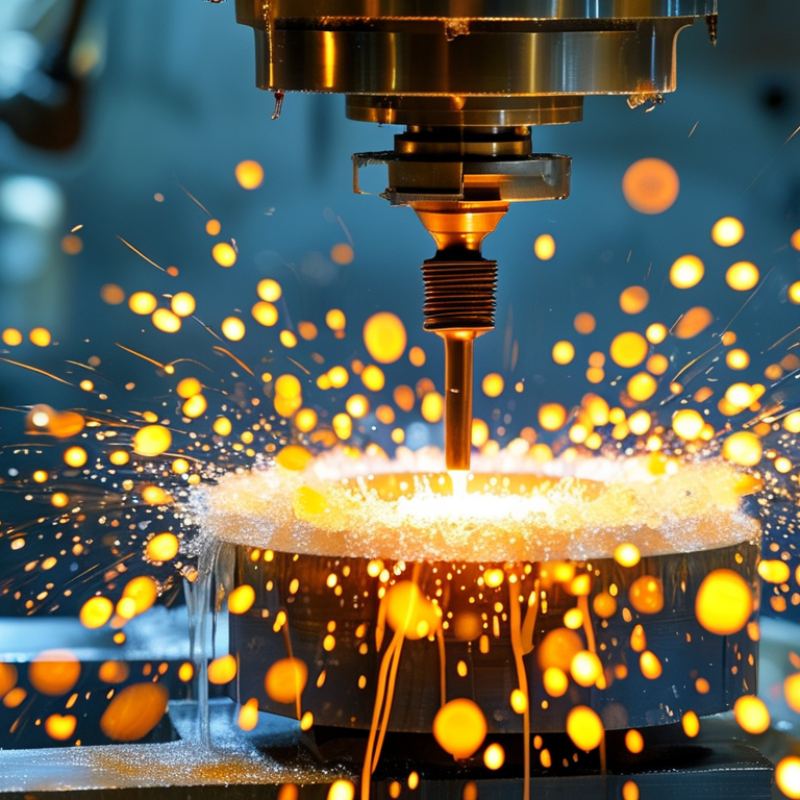
Top 10 Best Coolants for CNC Machining Stainless Steel?

Understanding the Importance of Coolants in CNC Machining

Coolants play a critical role in CNC machining. They help manage heat, reduce friction, and improve the life of cutting tools. Stainless steel machining generates significant heat due to the material's toughness. A quality coolant minimizes thermal deformation and enhances precision, which is essential for maintaining tolerances in high-stakes projects.

Data from industry reports highlight that using adequate coolants can reduce tool wear by up to 50%. Effective coolants also prevent rust and corrosion, ensuring the integrity of stainless steel parts. However, not all coolants are alike. Some may lack the necessary lubricative properties. This can lead to increased friction and rapid wear of both tools and materials. Inappropriate coolant choices can undermine productivity and raise costs.

Choosing the right coolant involves considering factors like viscosity, boiling point, and chemical composition. Misjudging these properties may lead to machine downtime. Furthermore, environmental regulations can restrict the use of certain coolants, complicating the selection process. Understanding these nuances is vital for engineers. It impacts the machining process and the final product's quality.

Types of Coolants Suitable for Stainless Steel Machining

When machining stainless steel, choosing the right coolant can significantly impact productivity and quality. Common coolant types include water-based, oil-based, and semi-synthetic coolants. Each type has unique properties that cater to different machining tasks and conditions.

Water-based coolants are popular due to their cooling capacity. They typically contain additives to prevent corrosion. Reports show that these coolants can reduce cutting temperatures by up to 50%. On the other hand, oil-based coolants offer better lubrication and are often used for heavy machining. These coolants can improve tool life significantly, sometimes extending it by as much as 30%.

Semi-synthetic coolants create a balance, providing moderate lubrication with good cooling.

However, challenges exist with coolant management. Improper maintenance can lead to bacterial growth in water-based systems, affecting both safety and performance. Additionally, some oil-based coolants may create challenges in disposal due to environmental concerns. Monitoring and adjusting coolant concentration levels is crucial for optimal performance, often requiring regular assessment to ensure efficiency.

Top Criteria for Selecting the Best Coolants for CNC Applications

Choosing the right coolant for CNC machining stainless steel is crucial. Effective coolants improve performance and extend tool life. Key criteria must guide this choice.

First, consider the coolant's thermal conductivity. This property affects heat dissipation during high-speed machining. Reports indicate that coolants with high thermal conductivity can reduce cutting temperatures by up to 30%. This not only protects tools but also enhances surface finish quality.

Another significant factor is the coolant's lubricating ability. A lubricant minimizes friction between the tool and material, reducing wear. Studies show that lubricants improve tool life by 40% in certain operations. Additionally, assess the coolant's compatibility with stainless steel. Some coolants can lead to corrosion, affecting both tools and workpieces. It’s essential to evaluate long-term reactions between the coolant and materials to avoid unexpected failures.

Finally, ease of maintenance is vital. Complex systems can result in downtimes and higher operational costs. A simpler coolant system often leads to better reliability in performance. Each of these factors plays a pivotal role in selecting the best coolant. Ensure to weigh them against specific machining requirements for optimal results.

Review of the Top 10 Coolants for CNC Machining Stainless Steel

When machining stainless steel, selecting the right coolant is crucial for optimal performance. Studies reveal that proper coolant application can reduce heat by up to 40%. This is significant because overheating can lead to tool wear and part deformation. Ideal coolants help maintain tool integrity and prolong service life.

Coolants not only lubricate but also provide cooling, reducing friction during machining. Some formulations contain additives that resist oxidation, which is essential for stainless steel applications. Data shows that 30% of machining failures result from inadequate cooling. Thus, the choice of coolant directly impacts efficiency and productivity.

It is valuable to consider viscosity and thermal conductivity when selecting a coolant. Coolant that is too viscous may not flow properly. In contrast, a low-viscosity coolant might not provide sufficient lubrication. Each machining environment is unique, requiring careful evaluation and possibly adjustments to the coolant type. Experimentation may reveal the optimal balance for various machining operations.

Tips for Proper Application and Maintenance of CNC Coolants

When working with CNC machining, using the right coolant is essential. Proper application and maintenance can enhance performance and extend tool life. One critical aspect is selecting the correct coolant type based on the material and the machining process. For stainless steel, consider using coolants that offer excellent lubricating properties.

Tips for proper coolant application include maintaining the correct concentration. A diluted coolant may not provide enough lubrication, while too concentrated can cause damage. Regularly check the coolant for contamination. This can lead to poor machining results and potential damage to both tools and workpieces.

Moreover, ensure that the coolant delivery system is clean and free-flowing. Clogged lines can lead to inadequate cooling during machining, affecting the final product's quality. Pay attention to the temperature of the coolant as well. High temperatures can reduce effectiveness and lead to increased wear on cutting tools. Each of these details plays a role in achieving optimal CNC machining results.

Top 10 Best Coolants for CNC Machining Stainless Steel

Coolant Type Viscosity (cP) pH Level Boiling Point (°C) Recommended Dilution
Water-Soluble Oil 50 9.0 100 5-10%
Synthetic Coolant 30 7.0 150 3-7%
Semi-Synthetic Coolant 45 8.5 120 5-15%
Bio-Based Coolant 60 7.8 110 2-10%
Chlorine-Free Coolant 40 8.0 130 4-10%
Low Foam Coolant 35 8.2 115 5-15%
High Performance Coolant 75 8.0 140 3-8%
Rust Inhibitor Coolant 40 7.5 105 6-12%
Extreme Pressure Coolant 80 8.5 150 3-9%
Emulsion Coolant 55 7.0 125 5-15%

FAQS

: Why is coolant selection important for CNC machining?

: Coolant choice affects performance and tool longevity. It impacts heat dissipation and surface finish quality.

What property of coolant helps with heat dissipation?

Thermal conductivity is crucial. Coolants with high thermal conductivity can reduce cutting temperatures significantly.

How does coolant lubrication affect tool life?

Good lubrication minimizes friction. This can improve tool life by up to 40% in some machining operations.

What should I assess regarding coolant compatibility?

Check if the coolant may cause corrosion with stainless steel. Long-term reactions can lead to unexpected failures.

How does viscosity influence coolant performance?

Too viscous coolants may not flow well. Conversely, low-viscosity coolants may lack sufficient lubrication for machining.

What are best practices for coolant application?

Maintain the correct concentration to prevent damage. Regularly check coolant for contamination to ensure effective machining.

Why is a clean coolant delivery system important?

Clogged lines can hinder cooling. This impacts product quality and may cause tool wear and failures.

How does coolant temperature affect its effectiveness?

High coolant temperatures can reduce effectiveness. This increases wear on cutting tools and can lead to poor results.

What happens with improper coolant concentration?

Diluted coolants may not lubricate effectively. Too concentrated ones can damage tools and workpieces.

Conclusion

In CNC machining, the choice of coolant is crucial for enhancing efficiency and extending tool life, especially when working with stainless steel. Understanding the importance of coolants involves recognizing their role in reducing friction, dissipating heat, and preventing corrosion. Various types of coolants, such as water-soluble oils and synthetic fluids, can be effective for stainless steel machining. When selecting the best coolant for CNC machining stainless steel, consider factors like cooling capacity, lubricating properties, and environmental impact.

To assist machinists in making informed decisions, a review of the top 10 coolants highlights their unique properties and suitability for different applications. Proper application and maintenance of these coolants are also essential to ensure optimal performance and longevity of both tools and machinery. Ultimately, understanding what is the best coolant for CNC machining stainless steel is vital for achieving high-quality results and maintaining operational efficiency.

Charlotte

Charlotte

Charlotte is a seasoned marketing professional with a deep understanding of the company's portfolio and a passion for elevating its presence in the market. With a keen eye for detail and a commitment to excellence, she ensures that our professional blog is regularly updated with insightful articles......