Adjusting the backlash on a CNC lathe is critical for achieving high precision in machining processes. According to a 2022 industry report by Machining Trends, improper backlash can lead to significant errors, with up to 20% of production costs attributed to rework and scrap. Experts emphasize the importance of minimizing backlash to enhance accuracy. Renowned CNC specialist John Smith states, “Understanding how to adjust the backlash on a CNC lathe is essential for every machinist seeking excellence.”
The concept of backlash refers to the gap between the gears in a machine. This gap can cause inaccuracies in machining if not properly addressed. Many CNC operators encounter challenges when calibrating their equipment. It requires patience and precise adjustments. The process can often feel tedious, leading to frustration. However, the benefits of meticulous calibration far outweigh temporary setbacks.
Regular maintenance and adjustment of backlash can extend machine life. Optimal settings result in consistent part quality and improved productivity. As the industry evolves, those who master the techniques of adjusting backlash will find themselves at a competitive advantage. Identifying the right balance in backlash adjustment is key to precision engineering.
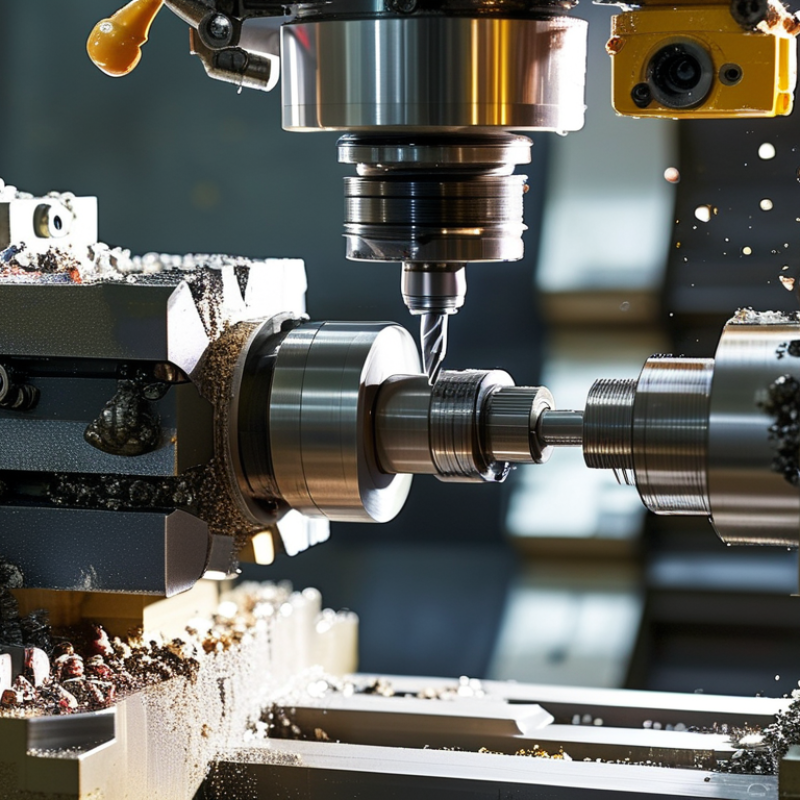
Backlash in CNC lathes is a common challenge affecting precision. It refers to the slight movement that occurs when reversing direction. Understanding this phenomenon is crucial for maintaining accuracy in machining operations. Adjusting backlash can significantly improve the repeatability of part positioning. Mechanics often encounter it, especially in older machine models.
Checking backlash involves measuring the distance the tool moves when changing direction. This requires a dial indicator, ensuring accuracy during the process. Once identified, adjustments can be made, often through screws located on lead screws or ballnuts. Regular maintenance helps prevent excessive wear, which can exacerbate backlash issues.
Operators should note that completely eliminating backlash may not be feasible. Some backlash is inevitable due to mechanical tolerances. It’s essential to find a balance between adjustment and functionality. Too much tightness can cause resistance and affect tool movement. Regular assessments are necessary for consistent performance. Adjusting backlash is an art and requires practice and experience. Each setup may differ slightly, leading to unique challenges. Understanding these nuances enhances a machinist's skills over time.
Identifying backlash symptoms in your CNC lathe is crucial for maintaining precision. Backlash refers to the play between mechanical components that can result in inaccurate movements. Common symptoms include inconsistent dimensional results and a noticeable lag when reversing direction. Operators may also notice that the machine takes longer to settle after a change in direction.
These issues can lead to frustrating errors, especially in precision tasks. To diagnose potential backlash, perform a test cut on scrap material. Examine the resulting dimensions closely. Measure the difference between the intended and actual cut. If there’s a significant discrepancy, further investigation is needed.
Adjusting backlash may seem daunting, but there are simple methods to improve accuracy. Regular maintenance of lead screws and nuts will prevent excessive wear. Adjusting the tension on these components can also help. Ensure that guideways are clean and well-lubricated. This minimizes friction and improves overall performance. Being proactive about these adjustments can extend the life of your CNC lathe and improve its reliability. Recognizing these symptoms early allows for timely interventions, avoiding more significant issues down the line.
When adjusting backlash on a CNC lathe, specific tools are necessary for optimal precision. A dial indicator is crucial. It measures the amount of play in the system. Having a set of wrenches allows for precise adjustments of the lead screws. A calibrated torque wrench ensures that you apply the correct force when tightening. Each tool plays a role in achieving accurate results.
Pay attention to the alignment of the lead screw. Misalignment can lead to increased backlash. Regular cleanings also help maintain tool performance. It's essential to monitor the condition of all components. Wear can introduce unwanted play.
When making adjustments, take small steps. Excess torque can cause more backlash. After each adjustment, recheck the measurements. Patience is vital. Sometimes, finding the right balance is a trial-and-error process. Don't rush it; small changes yield better precision.
Adjusting the backlash on a CNC lathe is essential for achieving precision. Begin by ensuring your machine is clean. Dust and debris can affect the measurement. It’s crucial to check your lathe's manual for the specific backlash adjustment procedure. Each machine may differ in settings, so don’t skip this step.
Next, move the lathe's carriage slowly back and forth. Take note of any excessive play. Use a dial indicator to measure the movement accurately. This tool will help pinpoint how much backlash exists in the system. Adjust the screws or nuts as per your lathe’s design. Make small adjustments. Over-tightening can lead to binding, affecting performance.
Finally, test the lathe again after adjustments. Repeat the measuring process. Sometimes, you may need to adjust multiple times to get it perfect. This process requires patience and practice. Engaging with the machine helps you learn its quirks. Embrace the trial and error aspect of this task; it can lead to valuable insights. Fine-tuning takes time, but it enhances precision significantly.
Testing and validating precision after adjusting the backlash on a CNC lathe is crucial to achieving high-quality machining results. According to a report by the International Journal of Advanced Manufacturing Technology, even a slight deviation, as small as 0.001 inches, can significantly impact the final product's accuracy and quality. Therefore, meticulous testing is necessary. Start by using a dial indicator to check the accuracy of the adjustments. Run a few cycles and note any discrepancies. Consistency in readings indicates a successful adjustment.
After validation, run tests with various materials to further examine the lathe's performance. A study from the Precision Engineering Journal suggests that running multiple test pieces can better highlight potential errors. Focus on any anomalies in the surface finish or dimensional tolerance. If inconsistencies arise, it may point to other mechanical issues. Reassess your backlash settings and ensure all components are calibrated.
Keep in mind that lubrication plays a critical role. A well-lubricated system reduces friction and enhances precision. Regularly inspect lubrication points before starting the machine. Use high-quality lubricants compatible with your CNC lathe. Remember, while adjustments improve performance, they require ongoing evaluation and possible fine-tuning. Regular maintenance checks can prevent potential pitfalls. Don't overlook the importance of documenting test results to track improvements over time.
: Backlash refers to the slight movement when reversing direction, affecting precision in machining.
You can measure backlash with a dial indicator, noting the tool's movement when directions change.
Completely eliminating backlash may not be feasible. Some amount is inevitable due to mechanical tolerances.
Check for other mechanical issues and reassess your backlash settings if inconsistencies arise.
Proper lubrication reduces friction and enhances precision for better machining results.
Regular testing is essential to ensure consistent performance and may require ongoing evaluations.
Test with various materials to observe the lathe's performance and note any surface inconsistencies.
Documenting helps track improvements and understand performance changes over time.
Yes, excessive tightness can create resistance, negatively impacting tool movement and performance.
Adjusting backlash requires practice and familiarity, as each setup presents unique challenges.
Adjusting the backlash on a CNC lathe is crucial for achieving precise machining results. Understanding backlash involves recognizing the play between moving parts, which can lead to inaccuracies in cuts. Symptoms of backlash may include inconsistent dimensions and poor surface finishes. To effectively address this issue, it's important to use the right tools and follow a step-by-step process for adjusting the backlash settings.
In the adjustment process, start by identifying the source of backlash, followed by using appropriate tools to make necessary adjustments. After completing the adjustments, thorough testing and validation ensure that the lathe operates with improved precision. By following these guidelines on how to adjust the backlash on a CNC lathe, operators can enhance the overall performance and accuracy of their machines, leading to better quality output.

AcuTek CNC