How to Use Offset Sheet Proof System for Optimal Results?
The Offset Sheet Proof System is vital in today’s printing industry. According to recent studies, about 70% of printing issues arise from inadequate proofing processes. Utilizing an effective proofing system can significantly enhance print quality and reduce waste. This method allows printers to visualize the final product accurately before committing to production.
Effective use of the Offset Sheet Proof System requires understanding its components. Research shows that printers who regularly implement color management tools see a 30% decrease in reprints. This demonstrates the importance of precision in the proofing stage. However, many industry professionals still overlook this crucial step, which leads to avoidable errors.
Moreover, a successful implementation is not without its challenges. Issues such as equipment limitations or inadequate training may hinder optimal use. It's essential for professionals to recognize these potential pitfalls and proactively address them, ensuring they can make the most of the Offset Sheet Proof System for superior results.
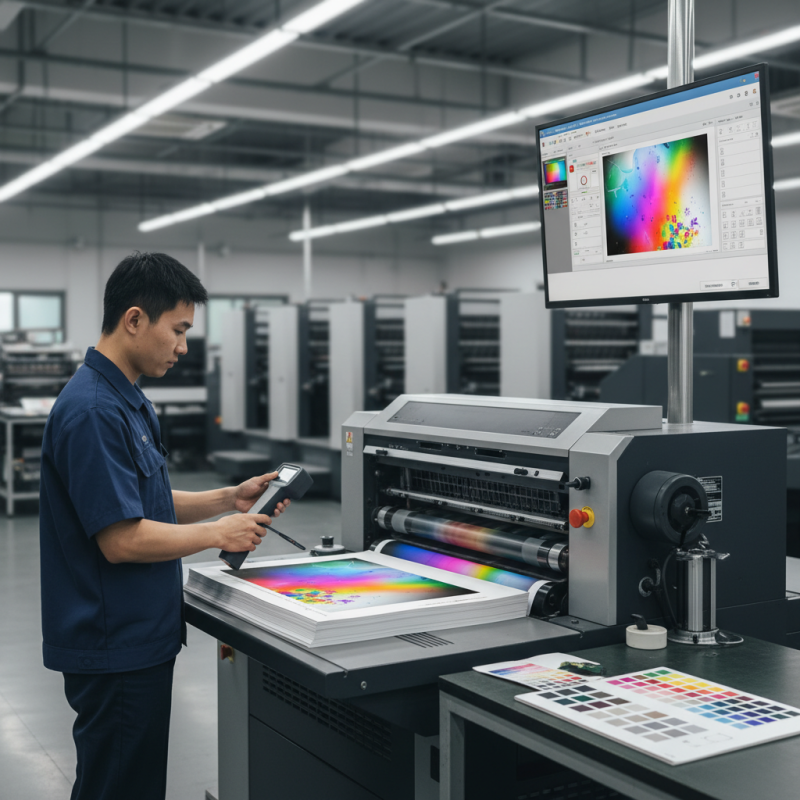
Understanding the Offset Sheet Proof System Basics
The Offset Sheet Proof System is crucial in print production. It serves to mimic how the final printed piece will look. This system uses a specialized printing process that allows for accurate color representation. Understanding its fundamentals can enhance print quality and reduce errors.
In this system, printed proofs are generated on actual substrates. These proofs allow designers and clients to visualize the end product before mass printing. Color accuracy is paramount, as colors may shift during the printing process. Factors like paper texture and ink density play a significant role. Using this proof system can prevent costly mistakes later on.
However, not all proofs translate perfectly to final prints. Variations can occur due to equipment and environmental changes. It's important to regularly calibrate printers and consider different lighting conditions when evaluating proofs. Continuous assessment and adjustments can facilitate better outcomes in print projects. Embracing a learning mindset is vital for achieving optimal results.
Essential Components of Offset Sheet Proofing Process
Offset sheet proofing is a meticulous process essential in the printing industry. It ensures that the final print aligns perfectly with the desired output. Understanding the components of this process is vital for achieving optimal results.
The first component is the proofing substrate. The choice of substrate affects color representation. A glossy substrate may enhance vibrancy, while a matte one may soften hues. Be mindful of how the substrate choice impacts your final output, as this decision can lead to unexpected outcomes.
Another crucial aspect is the ink used during the proofing process. Different inks can react unpredictably with substrates. Color variations may arise from various factors, such as the printer’s settings or the environment. Regularly calibrating your equipment ensures more consistent results.
**Tip:** Conduct small test runs before large print jobs. This helps identify potential issues early.
Also, maintain an organized workflow. Track changes in ink formulation or substrate lots. It’s easier to troubleshoot problems if you have detailed records.
Making slight adjustments and being attentive to the details can significantly influence your findings. Embracing the imperfections in your proofs can lead to deeper insights into the printing process.
How to Use Offset Sheet Proof System for Optimal Results? - Essential Components of Offset Sheet Proofing Process
| Component | Description | Optimal Result |
| Prepress Preparation | Ensuring files are correctly formatted and color profiles are standardized. | Reduced errors and accurate color representation. |
| Proofing Materials | Using high-quality proofing paper and inks that mimic the final press materials. | Closer alignment with the final printed product. |
| Color Management | Implementing ICC profiles to ensure color consistency across devices. | Enhanced color accuracy and replication. |
| Approval Process | Involving stakeholders in the review and approval of proofs. | Increased satisfaction and reduced revisions. |
| Printing Calibration | Regularly adjusting the printing machine settings based on proof comparisons. | Consistent print quality throughout the production run. |
Step-by-Step Guide to Setting Up the Proofing System
Setting up an offset sheet proofing system can be challenging. Begin by assembling the necessary tools. You will need a calibrated press, high-quality ink, and precise paper. Ensure that your workspace is clean and well-organized. This minimizes the risk of contamination. Proper setup is crucial for achieving great results.
Next, load the proofing machine with the chosen paper. Adjust the ink flow according to the specifications of your project. Take a moment to double-check the water balance in the ink. Too much or too little water can affect the print quality. It can lead to unexpected results. Always run a test print first. Analyze the output carefully. Look for any misalignments or color discrepancies. These are telltale signs of setup issues.
Regular maintenance of the equipment is vital. Clean rollers and plates regularly to avoid ink build-up. It is easy to overlook, but neglecting maintenance could lead to costly errors. Keep a log of your adjustments and results. This will help you refine your process over time. Reflect on what works well and what needs improvement. Continuous learning is key in this field.
Monthly Print Quality Assessment Using Offset Sheet Proof System
Best Practices for Achieving Optimal Proofing Results
When using the Offset Sheet Proof System, there are several best practices to consider for achieving optimal proofing results. First, it is essential to ensure that the printing plate is clean and well-maintained. A dirty plate can lead to inconsistent ink transfer, resulting in poor quality proofs. Regular maintenance checks can prevent many common issues.
Monitoring the ink viscosity is another critical factor. Inconsistent viscosity can affect color accuracy and overall print quality. Using a viscometer to measure ink thickness can help maintain consistency. Additionally, adjusting the ink flow based on environmental conditions such as temperature and humidity can enhance results.
Testing different paper types is valuable for optimal outcomes. Not all papers respond the same way to ink. Conducting proofs on various substrates helps identify which combination produces the best results. It is important to reflect on past proofing experiences; documenting what worked and what did not allows continuous improvement in the proofing process.
Embracing a trial-and-error approach will lead to better understanding and refinement of techniques over time.
Common Pitfalls and Troubleshooting Tips in Proofing
Common pitfalls can disrupt your offset sheet proofing process. One frequent issue is inconsistency in color. Variations can arise from poor calibration or mismatched substrates. Ensure your equipment is correctly calibrated. Always use a consistent paper stock for testing.
Another common problem is registration misalignment. This can lead to blurred images and text. Regularly check your press alignment. Small adjustments make a big difference. If you notice issues, run a test sheet before proceeding.
When facing troubleshooting, don’t hesitate to document your processes. Record color settings, paper types, and environmental conditions. Taking notes helps pinpoint issues over time. Seek feedback from colleagues as well. They might spot something you missed. Remember, precision in your work leads to better outcomes.
 +49 (0) 3722 59863-0
 sale@acutekcnc.com