Top 10 Wire Drawing Dies You Need for Global Sourcing?
The wire drawing industry plays a vital role in the manufacturing sector. Wire Drawing Dies are essential tools used to shape and reduce the diameter of wire. According to a recent report by MarketsandMarkets, the global wire drawing market is projected to grow at a CAGR of 4.3% from 2021 to 2026.
Selecting the right Wire Drawing Dies can significantly impact production efficiency and product quality. Factors such as die materials, designs, and manufacturing processes should be considered. The right die can reduce wear and improve the wire finish, leading to lower operational costs. However, not all dies offer the same performance. There can be inconsistencies in quality that manufacturers must address.
In a landscape marked by globalization, sourcing these dies has its challenges. Variations in quality standards and technological capabilities across countries can affect procurement decisions. It's crucial for businesses to adopt a strategic approach to selecting their wire drawing supplies. Balancing performance with cost-effectiveness is key, and even a small oversight in die selection can lead to significant setbacks in production.
Understanding Wire Drawing Dies and Their Importance in Sourcing
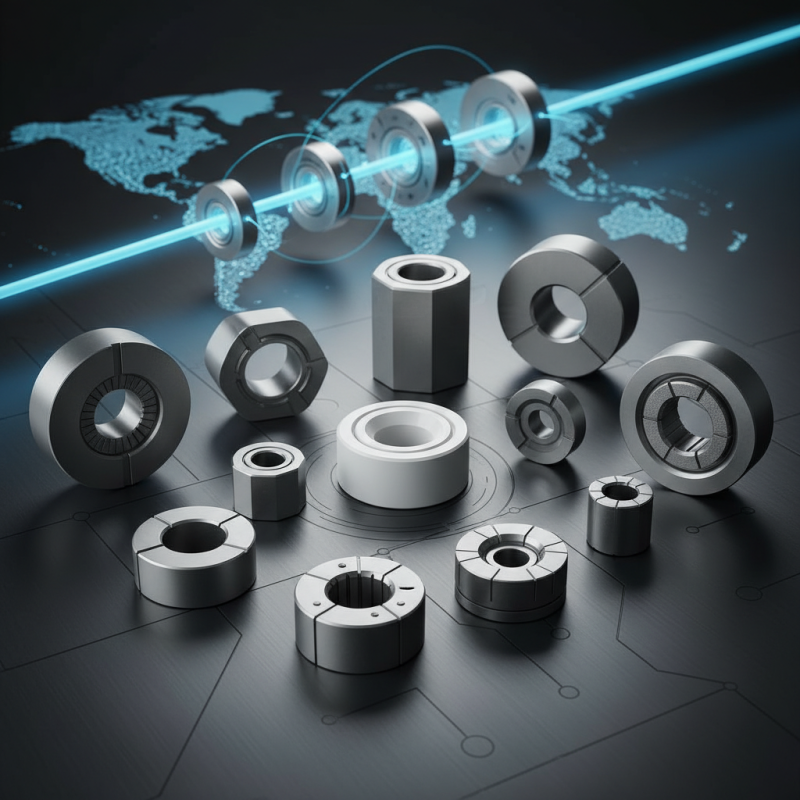
Wire drawing dies are crucial for manufacturing processes, particularly in the metalworking industry. They shape and reduce wire diameter by pulling metal through a die, resulting in a precise and uniform wire. Understanding the types and specifications of wire drawing dies is essential for sourcing decisions. Different materials, shapes, and sizes cater to various applications, affecting the quality of the final product.
Choosing the right wire drawing die can significantly impact production efficiency. A poorly selected die can lead to high wear rates, increased downtime, and lower product quality. Manufacturers often face challenges in sourcing dies that meet their specific requirements. It's important to consider factors such as die material, design, and manufacturing accuracy. Investing time in this selection process will pay off in the long run.
Reflecting on sourcing wire drawing dies also requires an understanding of market trends. Global suppliers often differ in quality and reliability. Quality control practices can vary greatly. Thus, due diligence in evaluating suppliers is necessary. This can sometimes lead to difficulties, particularly in balancing cost with quality. Establishing strong relationships with trusted suppliers may require effort, but it enhances reliability in sourcing.
Top Materials Used in Wire Drawing Dies for Optimal Performance
When it comes to wire drawing dies, material choice is crucial for achieving optimal performance. Commonly used materials include carbide, steel, and tungsten. Each has its unique properties that contribute to the die's effectiveness. Carbide is favored for its durability and resistance to wear. Steel is often easier to machine and economical. Tungsten offers high-temperature stability.
In the world of wire drawing, the precision of dies affects the final product's quality. A poorly chosen material can lead to inconsistent wire dimensions and surface defects. It's vital to consider the specific application when selecting a die material. Additionally, the heat treatment of these materials needs careful attention. Improper treatment can compromise strength and lifespan.
Manufacturers must continually assess their material choices. With evolving wire drawing technologies, staying updated is essential. Engaging with industry experts can provide insights into emerging materials. This continuous learning approach can lead to better sourcing decisions and material innovation. Every material has limitations, and understanding these can lead to improvement.
Top 10 Wire Drawing Dies You Need for Global Sourcing
| Die Material | Durability | Typical Application | Advantages |
| High Carbon Steel | Moderate | General Wire Drawing | Cost-effective, Good wear resistance |
| Carbide | High | High Precision Wire | Excellent wear resistance, Long lifespan |
| Diamond Coated | Very High | Super Fine Wire | Ultra-durable, Reduces friction |
| Tungsten Carbide | High | Heavy Duty Applications | High strength, Excellent thermal stability |
| Ceramic | Moderate | Non-ferrous Wire | Corrosion resistance, Hardness |
| Hardened Alloy | High | Steel Wire | Good toughness, Wear resistance |
| Borosilicate Coated | Moderate | Complex Shapes | Reduced adhesion, Enhanced surface finish |
| Sintered Carbide | High | High Volume Production | High strength, Excellent wear properties |
| Plastic | Low | Lightweight Wire | Cost-effective, Lightweight |
| Copper Coated | Moderate | Electrical Wiring | Good conductivity, Affordable |
Key Features to Consider When Selecting Wire Drawing Dies
When selecting wire drawing dies, a few key features stand out. Die material plays a crucial role in durability and performance. High-speed steel and carbide are common choices. Each material offers unique benefits. For example, carbide tends to last longer, but it can be more prone to chipping under certain conditions. According to a report from the International Wire and Machinery Association, the quality of die material can improve production efficiency by up to 30% over time.
Another important aspect is the die profile. A well-designed profile can enhance the drawing process significantly. Factors like angle and taper impact how the wire is shaped. A recent study indicated that the optimal die angle can reduce friction by 15%, promoting smoother operations. Understanding how these profiles align with material specifics is key for manufacturers aiming to maximize output while minimizing wear.
Lastly, consider the die size and tolerances. Precise dimensions directly affect the end product quality. A slight variation can lead to significant issues in wire consistency. Research shows that maintaining strict tolerance levels contributes to a 20% increase in overall product quality. Evaluating these features thoroughly ensures informed decisions in sourcing wire drawing dies.
Comparative Analysis of Leading Wire Drawing Die Manufacturers Globally
The global wire drawing die market is expanding, with notable manufacturers leading the way. According to a recent industry report, the demand for wire drawing dies is projected to grow by 5% annually. This growth reflects an increasing need for high-quality materials across various sectors, including automotive and construction. However, some manufacturers struggle to keep up with the evolving technology and market needs, revealing potential weaknesses in their product lines.
A comparative analysis highlights key players in the market. While some companies excel in producing dies for specific metals, others are more versatile. A study indicated that over 60% of manufacturers focus on copper and aluminum dies, but this narrow focus may hinder their competitiveness. Companies must adapt to diverse material requirements while ensuring consistent quality. Not all manufacturers achieve this, leading to varying reliability in product offerings.
Moreover, geographic factors play a critical role in sourcing. Local suppliers may provide cost benefits, but their offerings can be limited. International suppliers may offer broader selections but can involve longer lead times. This dynamic creates challenges for industries relying on timely deliveries. Keeping an eye on both market trends and supplier capabilities is essential. Reflecting on these factors allows manufacturers to refine their strategies and meet market demands effectively.
Top 10 Wire Drawing Dies You Need for Global Sourcing
This chart displays the comparative performance of the top 10 wire drawing die types based on their global sourcing relevance, measured in average units sold per month.
Best Practices for Maintenance and Longevity of Wire Drawing Dies
Wire drawing dies are crucial in the metalworking industry. To ensure their longevity, proper maintenance practices are essential. Regular inspections should be part of every process. Look for signs of wear or damage regularly. Make it a habit to check for cracks, pitting, or other surface defects.
Another critical aspect is lubrication. Using the right lubricant can minimize friction and wear. However, over-lubrication can lead to contamination. It's a delicate balance that requires attention. Additionally, consider the environment where the dies are stored. Humidity and temperature fluctuations can affect their condition.
Sometimes, even the most careful practices result in issues. Dies might wear out faster than expected. This can be frustrating, but it highlights the need for adaptive strategies. Analyzing usage patterns can provide insights for future operations. Regular training on maintenance procedures can help keep the team informed. Small adjustments can lead to significant improvements over time.
 +49 (0) 3722 59863-0
 sale@acutekcnc.com