Top Quality Ball Valves for Global Procurement Needs?
In today’s global market, the demand for high-quality Ball Valves is ever-increasing. Ball valves play a crucial role in various industries, ensuring fluid control and efficiency. Their durability and reliability make them a preferred choice for many procurement needs.
However, selecting the right ball valves can be challenging. With numerous options available, understanding their specifications is key. Manufacturers often highlight their features, but buyers must be cautious. Not all ball valves are built alike. Some may fall short of expected standards, leading to potential operational failures.
Buyers should seek reputable suppliers with proven track records. Quality assurance and extensive testing are vital. It is important to recognize that while price is a factor, it shouldn’t be the only consideration. Expertise and product knowledge can significantly influence purchasing decisions. Understanding the specific application of ball valves is essential to ensure optimal performance and longevity.
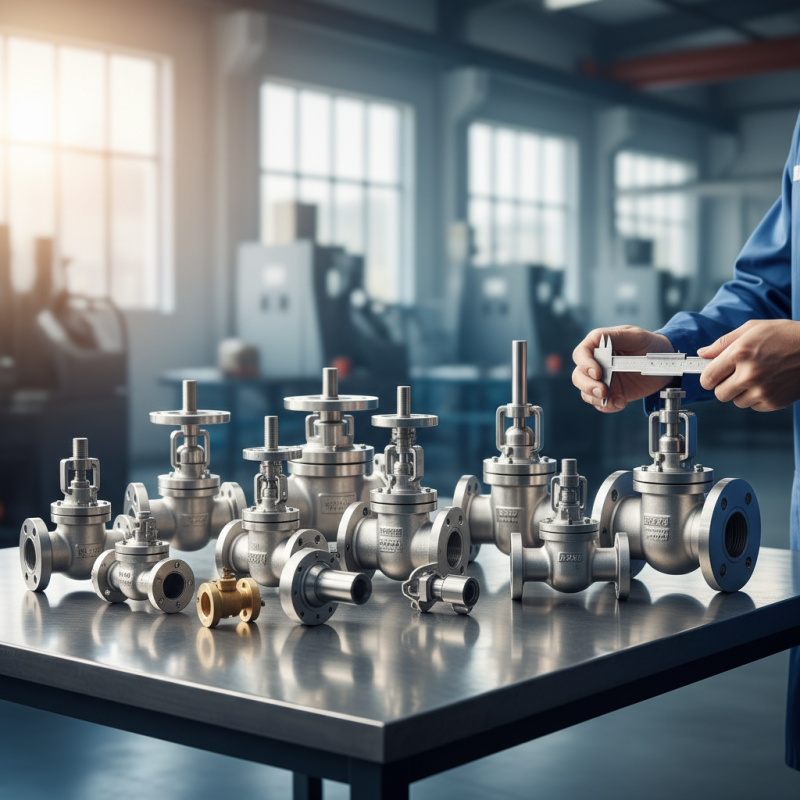
Understanding Ball Valves: A Comprehensive Overview
Ball valves play an essential role in various industries. They are widely used for controlling the flow of liquids and gases. According to a market research report by Fortune Business Insights, the global ball valve market is expected to reach USD 10.39 billion by 2028, with a CAGR of 5.6%. This growth is driven by the rising demand in the oil and gas sector, as well as water treatment applications.
In practical terms, ball valves are favored for their quick operation and reliability. They provide a tight seal when closed, offering minimal leakage. The design allows for a straight-through flow, which reduces pressure drop. However, the choice of materials can be tricky. Not all materials are compatible with every fluid. Proper selection is crucial to avoid leaks and potential failures.
The manufacturing process for ball valves varies widely. Some companies prioritize cost over quality, leading to inconsistent performance. In some cases, the valves do not meet industry standards. This inconsistency can impact safety and efficiency in operations. Understanding these nuances is vital for procurement professionals. Investing in high-quality valves can lead to long-term savings and prevent costly downtime.
Quality Ratings of Ball Valves by Type
Key Features and Benefits of High-Quality Ball Valves
In today's global market, high-quality ball valves are essential for various industries. Their durability and reliability make them an ideal choice for fluid control applications. The global ball valve market is projected to grow significantly, estimated at over $12 billion by 2026, according to a market research report. This growth emphasizes the increasing demand for efficient and effective valve solutions.
Key features of high-quality ball valves include their ability to provide a tight seal and minimize pressure drops in pipelines. These valves are typically made from robust materials such as stainless steel, ensuring long-lasting performance even under extreme conditions. Studies reveal that proper valve maintenance can enhance lifespan by 20-30%. Ball valves also offer lower torque requirements, making them easier to operate, which is crucial in environments where safety and efficiency are paramount.
However, potential buyers should recognize that not all ball valves are equal. Variability in manufacturing standards can lead to inconsistencies in quality. It’s important to consider the technical specifications carefully. A reliable supplier should provide clear data on valve performance, backed by third-party testing. An informed approach not only enhances procurement decisions but also ensures optimal operational performance in crucial applications.
Global Standards and Certifications for Ball Valves
When it comes to ball valves, understanding global standards and certifications is crucial for procurement. Ball valves must adhere to various international standards. These standards ensure quality, safety, and reliability. Compliance with these criteria can be challenging but essential.
Manufacturers often face hurdles in meeting multiple certifications. For example, standards like ISO 9001 and ASME can vary in their requirements. Adopting these guidelines helps assure clients of product integrity, yet it demands constant attention to detail. Oversight can lead to significant issues in production and supply chains.
Additionally, navigating certification processes can be daunting. Not all manufacturers have the expertise or resources for these demands. Ensuring proper documentation and validation is often overlooked, leading to potential delays. The complexity of these standards requires ongoing education and adaptation. Companies should reflect on their certification practices to improve compliance.
Factors to Consider in Ball Valve Procurement
When considering ball valve procurement, several key factors play a crucial role. Begin with understanding the application requirements. Different industries have unique needs regarding pressure, temperature, and fluid compatibility. For example, a chemical processing plant may require valves that withstand corrosive substances. Knowing these specifications is essential for making informed choices.
Quality assurance is another critical aspect. Evaluate the manufacturing process. Look for certifications that indicate compliance with industry standards. Materials used in production influence the valve's durability. Stainless steel and carbon steel are popular choices, each offering distinct benefits. Proper validation of these materials can lead to a more reliable product.
Lastly, consider supplier reliability. A reputable supplier should demonstrate experience and knowledge in the field. Customer reviews can provide insights into their service quality. It’s also wise to maintain open communication for ongoing support. This engagement can reveal issues that arise after purchase, which is often when the true test of quality occurs. Balancing these factors can significantly enhance the decision-making process in ball valve procurement.
Top Manufacturers and Suppliers in the Ball Valve Industry
The ball valve industry is vital for various sectors, ensuring fluid control and management. Numerous manufacturers and suppliers prioritize quality and reliability. These entities focus on innovative designs, advanced materials, and rigorous testing approaches. This commitment enhances performance and durability.
Leading manufacturers often invest in state-of-the-art technology. This allows them to produce valves that meet high industry standards. Reliability is key in applications such as oil and gas, water treatment, and chemical processing. Regular audits and evaluations drive improvement but may overlook certain emerging challenges.
Some suppliers promise rapid delivery and custom solutions. However, balancing speed with quality can be a struggle. Stakeholders must find manufacturers who can provide both without compromising on performance. Selecting the right partner involves careful consideration and a thorough understanding of individual project requirements. This process may take time and requires ongoing evaluation.
 +49 (0) 3722 59863-0
 sale@acutekcnc.com