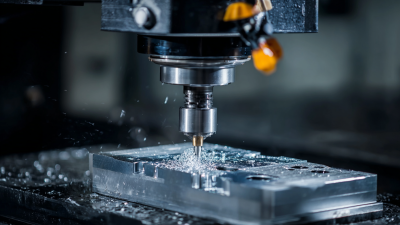
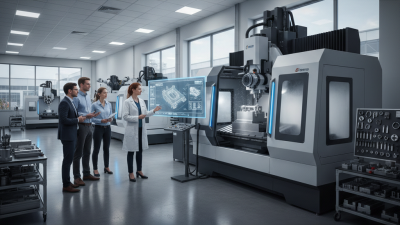
Top CNC Milling Machines in 2026 What to Consider?
When exploring the landscape of CNC milling machines in 2026, several pivotal factors emerge. The advancements in technology are reshaping the milling process. Users now seek machines that provide precision, reliability, and advanced features. Similarly, understanding the material compatibility is essential for maximizing output.
Manufacturers are continually innovating, yet not all brands meet expectations. Buyers should consider the machine's ease of use. A complicated interface can hinder productivity. Moreover, evaluating customer service and support is crucial. What happens when a machine malfunctions? A reliable company stands out in crisis.
Ultimately, investing in a CNC milling machine is a significant decision. It's fundamental to balance cost and quality. Achieving this requires thorough research and realistic assessments. Do the new features justify the price? Reflecting on these questions leads to better choices in the ever-evolving milling sector.
Key Features to Look for in CNC Milling Machines in 2026
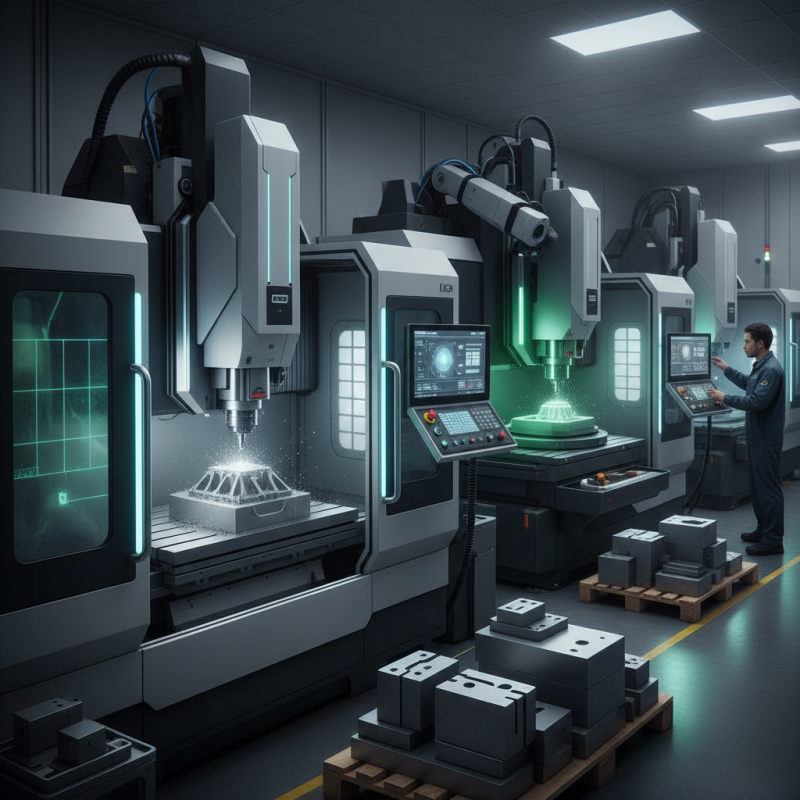
In 2026, CNC milling machines will likely feature advanced automation capabilities. This shift is driven by the increasing demand for precision and efficiency in manufacturing. According to industry reports, automation can enhance productivity by as much as 30%. Machine operators will need skills to manage these automated systems effectively.
Another essential feature to consider is the adaptability of CNC machines. Models that can work with diverse materials will be crucial. Research indicates that the ability to switch between metals, plastics, and composites can increase a shop's versatility significantly. Users should assess the machine's compatibility with various materials before investing.
Furthermore, software integration is increasingly essential. Modern CNC milling machines come with user-friendly interfaces. Improved programming tools can reduce setup time by 20%, leading to faster project turnaround. However, the learning curve can be steep. Effective training programs will be necessary to maximize these new features, highlighting the importance of ongoing education in this evolving landscape.
Emerging Technologies Impacting CNC Milling Machine Performance
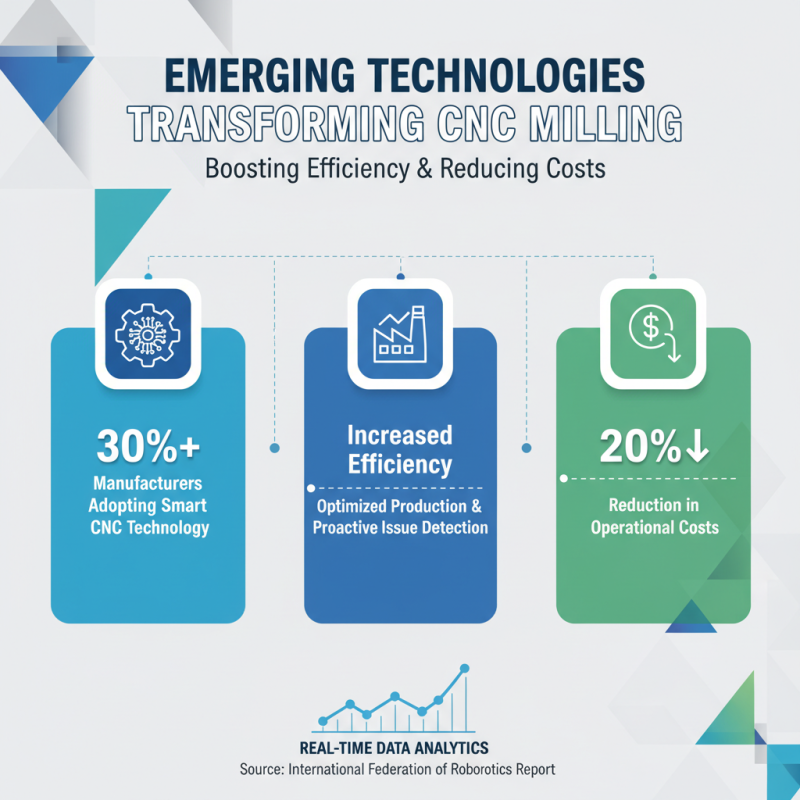
Emerging technologies are reshaping the performance of CNC milling machines. According to a recent report from the International Federation of Robotics, over 30% of manufacturers are adopting smart CNC technology. This shift not only enhances efficiency but also reduces operational costs by an estimated 20%. Smart machines utilize real-time data analytics to optimize production processes and identify potential issues before they escalate.
Another significant factor is the integration of artificial intelligence (AI) in CNC milling. According to a study by McKinsey, AI can improve production speed by up to 25% and increase precision by nearly 15%. This technology enables predictive maintenance, which minimizes downtime and enhances machine lifespan. However, the high initial investment can be a barrier for smaller manufacturers.
Furthermore, advancements in materials science are driving the evolution of milling machines. Researchers from MIT have developed new alloys that withstand extreme conditions. This innovation allows CNC machines to work with tougher materials. As a result, users need to consider their material specifications carefully. The benefits of using advanced materials must be balanced against the costs and potential complexity in machining processes.
Comparative Analysis of Top CNC Milling Machine Brands in 2026
In 2026, the CNC milling machine market continues to evolve rapidly. A comparative analysis reveals significant differences among the leading brands. Key factors such as precision, speed, and durability play crucial roles in determining the best fit for various applications. According to industry reports, the demand for high-speed CNC machines has surged by 15% over the past year. Manufacturers are investing heavily in advanced technology to meet customer needs.
For potential buyers, understanding specifications can be daunting. It's vital to evaluate features like spindle speed and axis capabilities. Data indicates that machines with high torque output improve productivity significantly. Tips from experts suggest visiting trade shows to experience machine demonstrations firsthand. This can provide insights into how specific models perform in real-world tasks.
Still, not all machines are perfect. Some users report maintenance challenges with advanced models. It's essential to weigh long-term costs against performance. Reliable reviews from reputable sources can guide purchase decisions. Balancing your needs with realistic expectations is key in making an informed choice. Always consider the support services available from manufacturers, which can greatly impact your overall experience.
Cost Considerations and Budgeting for CNC Milling Machines
When budgeting for CNC milling machines in 2026, various factors must be evaluated. The initial cost of the machine is significant. According to a report by Technavio, the global CNC machining market is anticipated to grow by $4.77 billion between 2021 and 2025, reflecting a huge investment trend. Even so, buyers often overlook additional expenses.
Maintenance and operational costs can accumulate quickly. The average annual maintenance cost for CNC machines is about 12-15% of the purchase price. Annual software updates and training for staff add financial weight. The decision to invest in higher-end models can pay off in terms of durability and efficiency. However, these models come with a higher initial price tag.
Additionally, fluctuations in the supply chain may impact costs. A recent survey indicated that 76% of manufacturers faced challenges in sourcing materials. This unpredictability can increase operational expenses over time. It’s crucial to consider these aspects when determining the total cost of ownership. An informed decision involves balancing upfront investments with long-term operational efficiency and maintenance needs.
Future Trends in CNC Milling Machine Design and Functionality
The future of CNC milling machines in 2026 will showcase significant advancements driven by technology and market demands. Reports indicate that the global CNC machining market is projected to reach $100 billion by 2026, a clear indicator of its growing importance in manufacturing. The rise of automation and AI will require machines to be smarter and more efficient.
One of the key trends is the integration of IoT capabilities. By 2026, around 40% of CNC machines are expected to be connected to the Internet. This connectivity will allow for real-time data monitoring and predictive maintenance, reducing downtime and improving productivity. Additionally, advancements in software and user interfaces will enhance the user experience.
However, with these changes come challenges. Many operators may struggle to adapt to new technologies. Training programs will be crucial, yet often underdeveloped. As machines become more automated, the skill gap may widen, leaving some industries behind. Balancing innovation with user expertise will be essential for maximizing the benefits of this technological evolution in CNC milling.
 +49 (0) 3722 59863-0
 sale@acutekcnc.com