Top Tips for Choosing the Right Polishing Machine?
Choosing the right Polishing Machine can be overwhelming. With so many options available, it’s crucial to make an informed decision. The right machine influences the quality of your work and the longevity of your tools. An effective polishing machine can enhance the finish of various surfaces, from metal to wood.
When selecting a polishing machine, consider your specific needs. Different projects require different machines. You might prioritize durability, power, or ease of use. Knowing your materials will guide your choice. Research brands with a good reputation. Seek recommendations from professionals in the field.
Remember, it’s okay to ask questions. Not all machines are created equal. Some may excel in specific applications but fall short in others. Analyze your unique tasks and reflect on past experiences. This thoughtful approach will lead you to the polishing machine that best suits your needs and enhances your craftsmanship.
Understanding Different Types of Polishing Machines Available on the Market
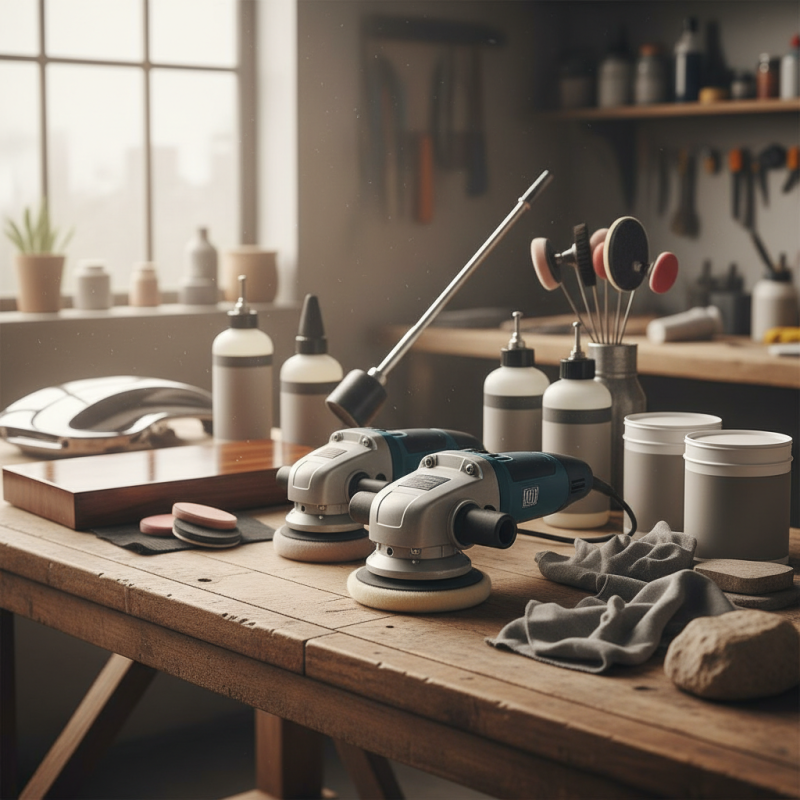
When selecting the right polishing machine, it’s essential to understand the various types available on the market. There are rotary, dual-action, and orbital polishers. Each has unique features suitable for different tasks. For instance, rotary polishers can produce deep shine, but they may require more skill. Conversely, dual-action polishers are user-friendly, making them great for beginners.
Tips for choosing the best polisher include evaluating your specific needs. Think about what surfaces you’ll work on. Hard surfaces may benefit from a heavier machine. Consider tackling refining and restoration tasks, which might necessitate a more aggressive approach.
Pay attention to the machine’s speed settings. Some users prefer adjustable speeds for versatility. A polisher with good ergonomics will make the job easier. Comfort is crucial for lengthy projects. Always research each type thoroughly before committing. It's vital to match your experience level with the machine's capabilities for the best results.
Factors to Consider When Choosing a Polishing Machine for Your Needs
Choosing the right polishing machine involves several key factors that are often overlooked. Power is one of the main considerations. A machine’s power rating significantly influences its efficiency. According to industry reports, a polishing machine with a power output of 700 watts is ideal for most residential uses. Higher wattage typically indicates better performance, especially for tough jobs.
Another vital aspect is the type of pads or attachments it uses. Different materials require specific pads. For example, foam pads work well on soft materials, while wool pads are better for harder surfaces. A study by the International Society of Abrasives found that using the wrong pad can decrease effectiveness by over 30%. This knowledge can be essential for achieving a high-quality finish.
The machine’s versatility is equally important. A model that offers adjustable speeds can cater to various tasks. Many professionals recommend machines with a speed range from 1,500 to 3,000 RPM. However, it's crucial to keep in mind that higher speeds can sometimes lead to swirl marks, especially on dark surfaces. Understanding these nuances helps in making informed choices tailored to specific needs and materials.
Comparing Features: Speed, Power, and Pad Compatibility in Polishing Machines
When choosing a polishing machine, understanding features is crucial. Speed is a key factor that impacts efficiency. Machines often have variable speeds, allowing operators to adapt to different surfaces. Opt for a model with a speed range. This flexibility helps achieve the desired finish.
Power is another critical aspect. A machine with higher wattage typically offers better performance. However, more power does not always mean better results. Striking a balance between power and control is essential. An overly powerful machine can lead to damage if not handled correctly. Always prioritize safety and ease of use.
Pad compatibility cannot be overlooked. Different pads serve various purposes, impacting the final outcome. Some machines only work with specific pad types, limiting versatility. Look for a machine that accommodates a range of pads. This consideration allows for various polishing techniques. Consider your needs carefully before making a decision.
Budgeting for Your Polishing Machine: Costs and Long-Term Investments
When budgeting for a polishing machine, it’s essential to consider both initial costs and long-term investments. A high-quality machine can seem pricey upfront. However, a robust model often pays off over time. Reliable machines require fewer repairs, reducing maintenance costs. Cheaper options may lead to recurring issues that could cost more in the long run.
Investing in a polishing machine is not just about the price tag. Think about the quality of work it produces. A good machine can significantly improve efficiency and finish quality. Think of what delays and repairs could cost your business. Calculate these potential losses when assessing your budget.
Evaluate the total cost of ownership. It includes energy consumption, spare parts, and maintenance. Cheaper machines may actually lead to higher expenses down the line. Take time to research the durability and performance ratings of different models. Make informed choices rather than rushing into a purchase. Balancing cost and quality is a thoughtful approach. Reflect on your needs and seek input from experienced users before deciding.
Maintaining Your Polishing Machine for Optimal Performance and Longevity
Maintaining your polishing machine is key to its performance. Regular maintenance ensures efficiency and extends the life of your equipment. A well-maintained machine can deliver a better finish on various surfaces, from metals to plastics.
One essential tip is to clean the machine after each use. Dirt and residue can accumulate, affecting functionality. Use a soft cloth to wipe down surfaces, and clear away debris from the motor and vents. Check for any wear and tear on components, as this can hinder performance.
Another important aspect is lubrication. Keep moving parts well-lubricated to prevent friction and overheating. It’s a good practice to refer to the user manual for specific lubrication intervals. Ignoring this can lead to significant issues over time.
Be attentive to how the machine operates. An unusual sound or vibration may indicate a problem. Regularly inspecting your polishing machine can catch these issues early. Remember, a little preventive care goes a long way.
 +49 (0) 3722 59863-0
 sale@acutekcnc.com