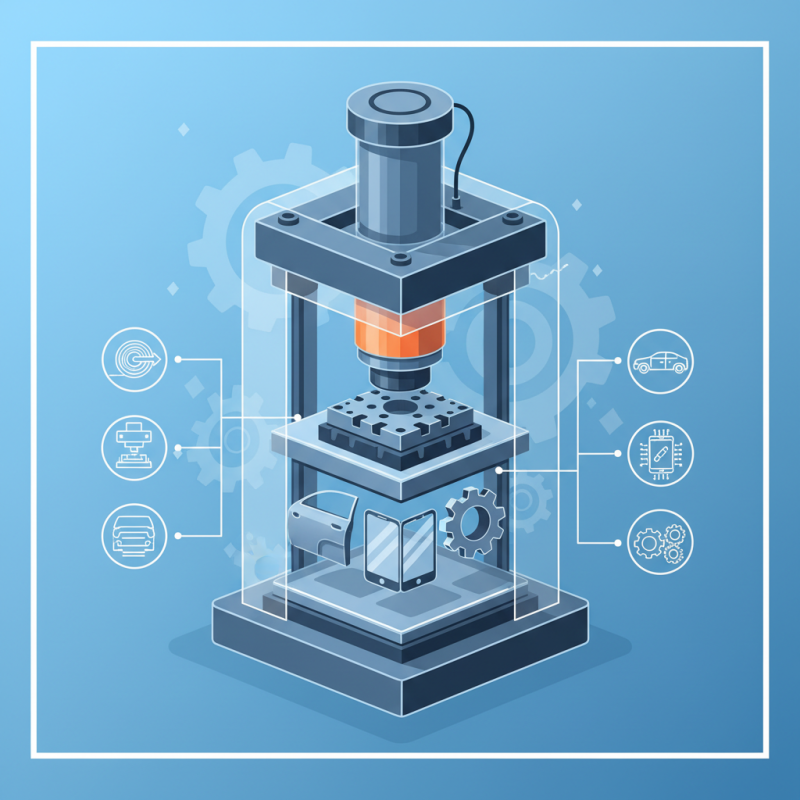
What is a Stamping Machine and How Does It Work?
A Stamping Machine is a vital tool in the manufacturing industry. It transforms flat sheets of metal into various shapes and sizes. This machine uses high pressure to cut, bend, or shape materials. The process is efficient and precise, making it essential for numerous applications.
In many factories, stamping machines are used daily. They produce everything from automotive parts to electronics casings. Their role cannot be understated. Knowledge of how a stamping machine operates is crucial for anyone in manufacturing or engineering.
Understanding the mechanics behind these machines is important for innovation and safety. While stamping machines are reliable, operators must be cautious. Misalignment or improper use can cause defects. Continuous learning about these machines can lead to better practices and improved outcomes.
What is a Stamping Machine? Definition and Overview
A stamping machine is a type of industrial equipment used to shape and cut materials, primarily metals. By applying force through a die, these machines can produce a variety of parts efficiently. Stamping is crucial in manufacturing, especially for automotive and electronics components. The machines can vary significantly in size and capacity, catering to different production needs.
Understanding the mechanism of a stamping machine is vital. It operates through processes such as punching, bending, and embossing. These processes require precision to ensure high-quality outcomes. Unfortunately, improper setup can lead to defects, which may result in material waste and increased costs. Operators need proper training and experience to minimize such issues.
Despite advancements, challenges remain in the stamping process. Material types, thicknesses, and design complexities can affect performance. Continuous improvement and learning are necessary. Sometimes, designs may not translate well into production, leading to revisions. Embracing feedback and refining techniques can significantly enhance efficiency over time.
What is a Stamping Machine and How Does It Work?
| Dimension | Description |
| Definition | A stamping machine is a device that uses pressure to shape or cut materials, typically metal, into desired forms. |
| Types | Common types include hydraulic, mechanical, and pneumatic stamping machines. |
| Working Principle | The machine exerts force through a punch and die set to cut or shape the material on the work surface. |
| Applications | Used in manufacturing parts for automotive, electronics, and appliance industries. |
| Key Benefits | High precision, repeatability, and efficiency in production processes. |
| Limitations | Initial setup costs can be high and not suitable for very thick materials. |
Types of Stamping Machines: Hydraulic, Mechanical, and Pneumatic
Stamping machines are essential tools in manufacturing. They come in various types, each suited for specific tasks. Understanding these types helps businesses choose the right equipment for their needs.
Hydraulic stamping machines utilize fluid power to generate force. They are known for their ability to handle heavy metals. This type makes precise cuts and shapes. However, they can take longer to set up. It is crucial to regularly maintain them to ensure efficiency.
Mechanical stamping machines rely on mechanical energy. They operate using a flywheel mechanism that stores energy. These machines are faster than hydraulic ones. However, they may not be suitable for very thick materials. Pneumatic stamping machines are another option. They use compressed air to function, making them lightweight. They are quick and often used for lighter tasks. Each type has its pros and cons. Businesses must assess their specific needs before making a decision.
Key Components of Stamping Machines: Press, Tooling, and Controls
Stamping machines play a crucial role in manufacturing. Understanding their key components helps in maximizing their efficiency. The press is the heart of the stamping machine, providing the force needed to shape materials. Presses vary in type, including mechanical and hydraulic systems. According to a report from the Fabricators & Manufacturers Association, over 75% of manufacturers use mechanical presses due to their precision and speed.
Tooling, the second major component, refers to the dies and molds used in the stamping process. High-quality tooling can enhance production accuracy and reduce waste. However, poor tooling design can lead to frequent downtimes. Industry studies show that 20% of production losses stem from tooling issues, highlighting the need for regular maintenance and review.
Controls are the final significant aspect of stamping machines. They govern the machine's operation and include programmable logic controllers (PLCs) and sensors. Effective control systems can improve safety and efficiency. Yet, the complexity of these systems may pose a challenge for operators, who need ongoing training and support. Reports indicate that 30% of operators struggle with advanced controls, underscoring the importance of continuous education in this field.
How Stamping Machines Operate: From Setup to Production
Stamping machines are critical in modern manufacturing. They convert raw materials into precise parts through deformation. These machines can handle various materials, including metals, plastics, and composites. In 2021, the global market for stamping machines was valued at approximately $25 billion and is expected to grow due to increased automation.
Setup is vital for optimal production. Operators must carefully align dies and adjust settings. A small mistake in alignment can lead to significant waste, both in materials and time. According to a report by the Manufacturing Institute, up to 30% of production downtime can be attributed to setup errors. Effective training can reduce this risk. Many companies invest heavily in skilled labor to improve efficiency.
Once set up, the production process begins. High-speed stamping machines can produce thousands of parts per hour. However, monitoring is essential. Machine wear can affect part quality. Regular maintenance and checks can extend a machine's lifespan. Statistics show that proactive maintenance can increase equipment uptime by 20%. Balancing speed and quality is an ongoing challenge in the industry.
Applications of Stamping Machines in Various Industries: Data and Trends
Stamping machines are widely used in many industries, thanks to their ability to produce precise metal shapes. They play a crucial role in manufacturing processes such as automotive production and electronics. In automotive manufacturing, stamping machines create components like chassis parts and brackets. Their efficiency and accuracy reduce waste, making production more sustainable.
The electronics industry also benefits from these machines. They produce intricate parts for devices like smartphones and computers. Stamping machines enable high-volume production, leading to cost reductions. However, these machines require skilled operators to ensure quality. Mistakes can lead to costly rework and delays in manufacturing timelines.
Trends indicate a growing demand for automation in stamping processes. While this increases productivity, companies must balance tech reliance with human oversight. As industries evolve, the need for innovation in stamping technology remains critical. Future developments may focus on enhancing speed and precision, but they must also consider the value of craftsmanship.
 +49 (0) 3722 59863-0
 sale@acutekcnc.com