What is a Single Arm Robot and Its Applications for Buyers?
The increasing demand for automation drives the evolution of robotics. One remarkable advancement is the Single Arm Robot. This type of robot is designed to perform tasks typically done by human hands. It offers versatility and efficiency in various industries.
Dr. James Lee, an expert in robotics, states, "The Single Arm Robot can revolutionize how we approach manufacturing and logistics." These robots excel in repetitive tasks, such as assembly and packaging. They streamline operations and reduce human error. Companies often see a return on investment through increased productivity.
Still, it's essential to understand the limitations. Single Arm Robots may struggle with complex tasks that require dexterity. Evaluating the specific needs of your processes is crucial. Selecting the right equipment can lead to effective improvements in efficiency and cost savings. As industries embrace automation, the potential of the Single Arm Robot remains vast yet complex.
Definition and Overview of Single Arm Robots
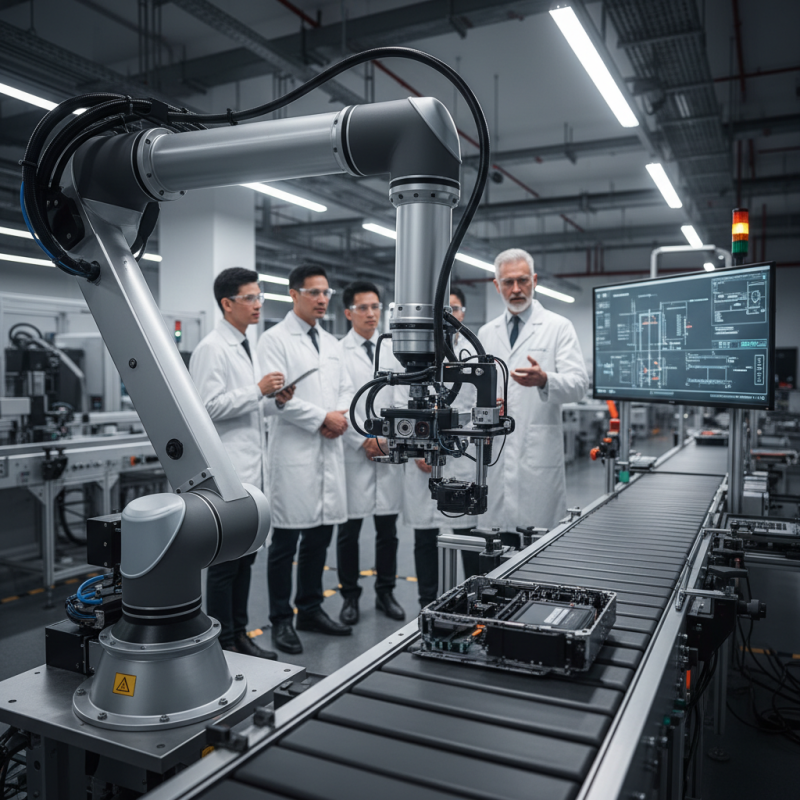
Single arm robots are versatile machines designed for a variety of tasks. Their structure typically includes a single articulated arm, allowing them to perform intricate movements with precision. These robots are especially valuable in environments where space is limited. They can manipulate objects, pick and place items, and even assist in assembly processes. Their compact design makes them suitable for use in small manufacturing facilities or laboratories.
The applications of single arm robots span many industries. In electronics manufacturing, they handle delicate components with care. In healthcare, they can assist in surgeries or manage medication distribution. Their speed and accuracy improve productivity, yet they also require careful programming and oversight. This reliance on technology can lead to potential drawbacks if not managed properly. Users must consistently evaluate the robot’s performance to ensure optimal efficiency. This ongoing assessment is crucial to prevent errors and maintain operational standards.
What is a Single Arm Robot and Its Applications for Buyers?
| Application Area | Description | Key Industries | Advantages |
| Manufacturing | Used for assembly, welding, and quality control tasks. | Automotive, Electronics | Increased efficiency and precision. |
| Healthcare | Assisting in surgical procedures and rehabilitation. | Medical Institutions, Rehabilitation Centers | Enhanced surgical precision and patient safety. |
| Logistics | Automating the sorting and packing processes. | Warehouses, E-commerce | Increased throughput and reduced labor costs. |
| Food Processing | Handling, packaging, and quality control of food items. | Food & Beverage Industry | Consistency, hygiene, and speed in processing. |
Key Features and Functions of Single Arm Robots
Single arm robots have become vital in various industries. These robots typically feature a multi-joint design, allowing for a range of motions. They are programmed for tasks requiring precision and speed. According to a recent report by the International Federation of Robotics, the market for industrial robots, particularly single arm types, is projected to grow by 10% annually through 2026.
In the assembly line, single arm robots excel in tasks like part handling and assembly. Their compact size allows them to work in limited spaces. They can operate alongside humans safely. Research indicates that integrating these robots can improve efficiency by up to 30%. However, some businesses may underestimate the initial setup costs or the need for ongoing training. Error rates during the initial phases can also be high. Continuous assessment and adaptation are necessary to optimize their performance.
Single arm robots also find applications in healthcare. They assist in surgeries and rehabilitation. Their ability to mimic human actions is crucial here. Reports show that robotic-assisted surgeries have shown a 20% reduction in recovery time. Yet, relying solely on technology can lead to challenges. Human oversight remains critical to ensure patient safety and equipment reliability. The path forward requires a balance of automation and human expertise.
Common Applications of Single Arm Robots in Various Industries
Single arm robots have gained traction in various industries due to their versatility and efficiency. These robots can handle tasks ranging from assembly to packaging. For instance, in the manufacturing sector, they streamline assembly lines, reducing labor costs by up to 30%. According to a report by the International Federation of Robotics, the demand for single arm robots is expected to grow by 15% annually. This surge highlights their integral role in modern operations.
In the healthcare industry, single arm robots assist in various applications. They support surgical procedures, providing precision that enhances patient outcomes. This technology can improve processing times in pharmacies by automating prescription filling. A report from Deloitte indicates that automation in healthcare can lead to a 20% increase in efficiency. This application also raises questions about reliability and the potential for technical failures, reminding us that human oversight remains essential.
Moreover, the food and beverage industry benefits significantly from these robots. They ensure consistency in tasks like packaging and quality control. A study from Research and Markets emphasized that automation can cut labor time by 25%. However, relying solely on automation can create challenges. Issues arise when machinery encounters unexpected problems, demanding human intervention. This underscores the importance of balancing automation and human skills.
Benefits of Using Single Arm Robots for Buyers
Single arm robots are revolutionizing various industries, offering numerous benefits to buyers. Data from industry reports indicate that the global market for single arm robots is expected to reach $6.8 billion by 2025. Their compact design makes them ideal for tasks in tight spaces. They excel in assembly, packaging, and quality control processes. This versatility helps companies streamline operations and minimize downtime.
One major benefit is cost efficiency. Implementing single arm robots can reduce labor costs by up to 30%. Additionally, they operate with high precision, which decreases the likelihood of errors. According to a recent study, manufacturers that adopted single arm robots reported a 15% increase in production rates. Buyers are increasingly recognizing the potential for return on investment. Investing in these robotic solutions can elevate productivity while maintaining product quality.
However, not every application is suitable for single arm robots. Some tasks require multiple arms or collaborative systems for optimal results. Understanding the limitations of single arm robots is crucial. Buyers need to assess their specific needs and potential challenges. An informed decision can lead to greater adaptability and management of workflows. As industries evolve, single arm robots hold the promise of enhancing operational efficiency.
Considerations for Purchasing a Single Arm Robot
When considering the purchase of a single arm robot, buyers must examine various factors. Understanding the functions and applications of such robots can guide your investment. According to a report from Allied Market Research, the global robotics market is projected to grow at a CAGR of 26.5% from 2020 to 2027. This data highlights the increasing relevance of automation in various industries.
Buyers should focus on the robot's payload capacity and reach. These specifications will determine the robot's usability in different applications, ranging from assembly to packaging. For instance, a robot with a limited payload may not be suitable for heavy lifting tasks. Additionally, consider the software flexibility of the robot. Compatibility with existing systems can significantly impact your integration process.
Tips: Always ask for demonstrations. Seeing the robot in action can provide insights not found in specifications. Evaluate the level of technical support offered by the manufacturer. Understanding after-sales service is crucial for long-term satisfaction. Be mindful of future upgrades as technology evolves. You might find that your needs grow quickly.
 +49 (0) 3722 59863-0
 sale@acutekcnc.com