METROM’s
Blog
METROM’s
Blog
What is Industrial 3D Printing Machines and How They Revolutionize Manufacturing?
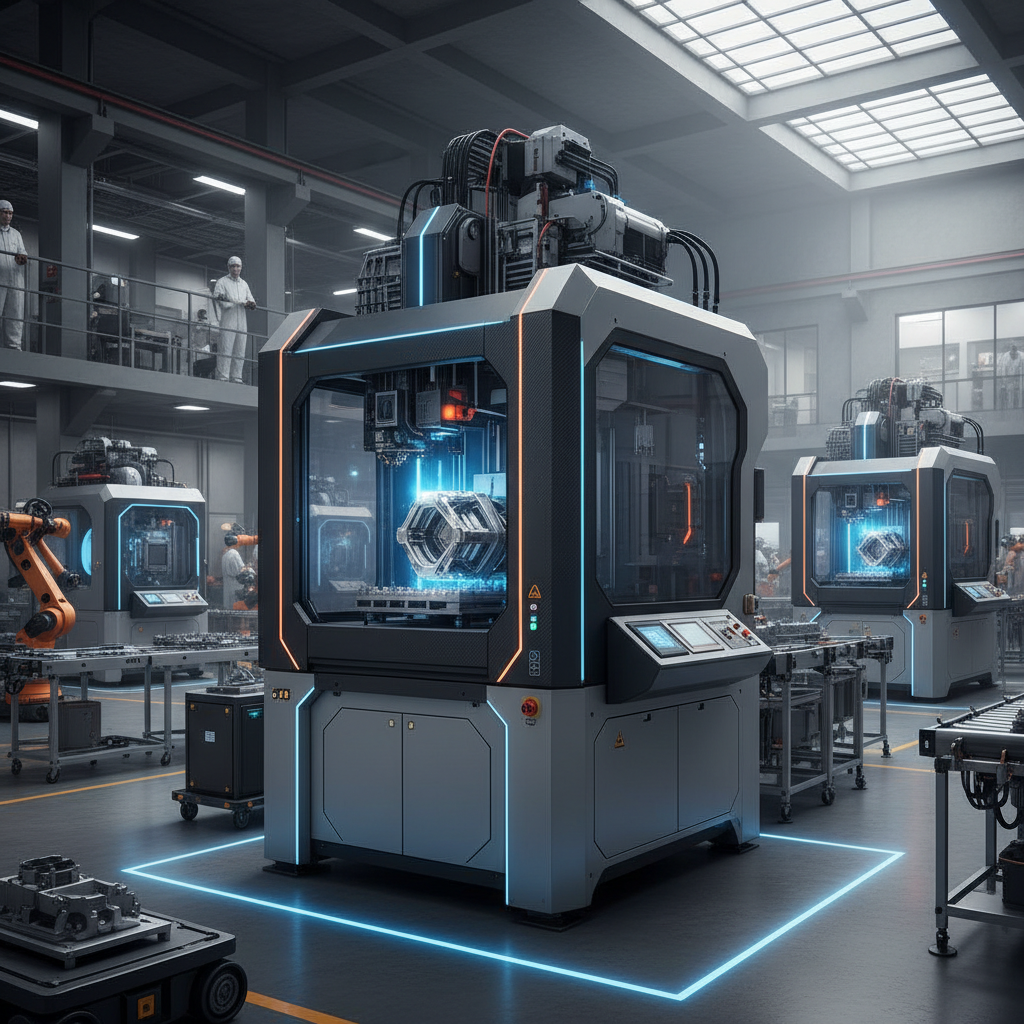
In recent years, industrial 3D printing machines have emerged as transformative tools within the manufacturing landscape. As traditional manufacturing methods face limitations in terms of speed, customization, and sustainability, these advanced machines provide innovative solutions that enhance production capabilities. Unlike conventional techniques, industrial 3D printing leverages additive manufacturing processes to create complex geometries and customized components with unprecedented accuracy and efficiency. This shift not only allows for the rapid prototyping of new designs but also significantly reduces material waste, making it a more environmentally friendly option.
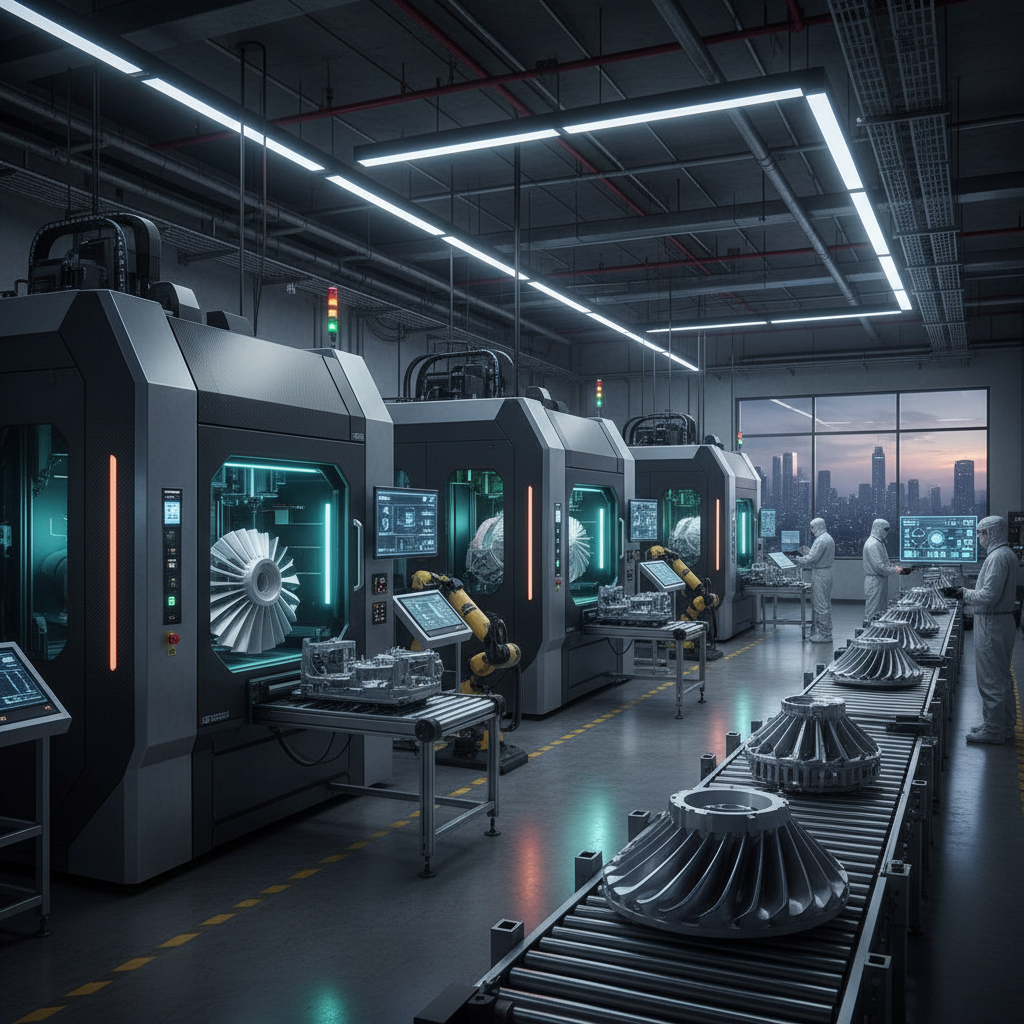
The impact of industrial 3D printing machines extends across various sectors, from aerospace to healthcare, where precision and customization play pivotal roles. By adopting this technology, manufacturers can streamline operations, shorten lead times, and respond to market demands more effectively. This article explores the top five ways in which industrial 3D printing machines are revolutionizing manufacturing, highlighting their benefits, challenges, and the future trajectory of this innovative industry. As we delve deeper into these advancements, it becomes clear that the future of manufacturing lies in the ability to integrate these cutting-edge technologies into existing production processes.
The Evolution of Industrial 3D Printing Machines in Manufacturing
The evolution of industrial 3D printing machines has significantly transformed the manufacturing landscape, especially within sectors like aerospace. Initially, 3D printing was primarily used for rapid prototyping, enabling designers to create models quickly and efficiently. However, as technological advancements have matured, the focus has shifted to implementing additive manufacturing as a means to produce intricate components with high precision and minimal waste. This strategic approach has led to increased efficiency and a reduction in time-to-market for various products, including critical aerospace components.
Additionally, the market for 3D printing powders is thriving, fueled by ongoing innovations and the adoption of new materials. These advancements not only enhance the capabilities of 3D printing technologies but also expand their applications across diverse industries. As manufacturers continue to embrace this transformative technology, it paves the way for a future where customized, complex designs can be produced at scale, thus revolutionizing traditional manufacturing processes. The continued growth and evolution of industrial 3D printing highlight the potential it holds for reshaping various production methodologies in the years to come.
What is Industrial 3D Printing Machines and How They Revolutionize Manufacturing?
| Feature | Description | Impact on Manufacturing |
|---|---|---|
| Material Variety | 3D printing allows the use of various materials including plastics, metals, and ceramics. | Enables production of complex parts with superior material properties. |
| Design Flexibility | Facilitates the creation of intricate and customized designs that are difficult to achieve with traditional methods. | Reduces design constraints and allows for innovative products. |
| Cost Efficiency | Minimizes waste and reduces the cost associated with tooling and inventory. | Improves overall production costs and profitability. |
| Speed of Production | Rapid prototyping and the ability to produce parts on demand significantly reduce lead times. | Enhances agility in production and reduces time to market. |
| Sustainability | 3D printing can enhance sustainability practices by using less material and enabling the recycling of materials. | Contributes to environmentally friendly manufacturing processes. |
| Customization | Easily enable personalized products tailored to individual customer needs. | Increases customer satisfaction and market competitiveness. |
Key Technologies Driving the Revolution in Industrial 3D Printing
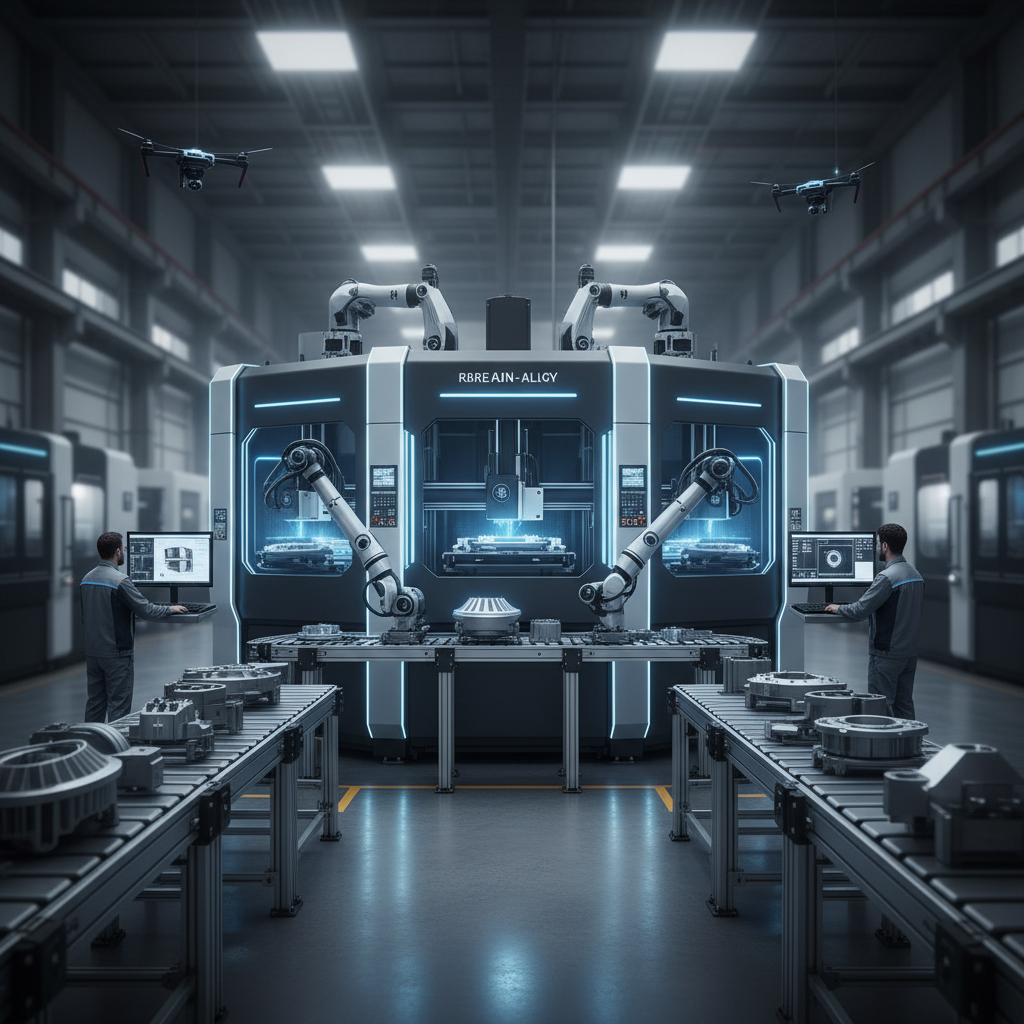
Industrial 3D printing, also known as additive manufacturing, is transforming the manufacturing landscape by enabling
faster production cycles, cost-effective prototyping, and the creation of complex geometries that were previously difficult to achieve. Key technologies driving this revolution include
selective laser sintering (SLS), fused deposition modeling (FDM), and digital light processing (DLP). According to a report by Wohlers Associates,
the global 3D printing market is expected to grow from $12.6 billion in 2020 to over $35 billion by 2024, showcasing the significant impact
these technologies have had on various industries.
SLS technology, for example, utilizes a laser to fuse powdered material layer by layer, allowing manufacturers to produce intricate parts with
high durability and precision. This method is particularly popular in industries like aerospace and automotive, where lightweight and strong components are essential. Furthermore,
DLP offers even faster production speeds by curing liquid resin with light, attracting users in sectors that prioritize rapid prototyping and low-volume production. As companies
continue to adopt these advanced manufacturing techniques, the ability to customize products efficiently and sustainably will become a hallmark of modern production practices.
Benefits of Implementing Industrial 3D Printing in Production Lines
Implementing industrial 3D printing in production lines brings numerous benefits that are transforming the manufacturing landscape. One significant advantage is the ability to produce complex geometries that traditional manufacturing methods struggle to accomplish. This capability not only leads to innovative product designs but also reduces material waste, as additive manufacturing builds objects layer by layer, utilizing only the necessary amount of material.
Another key benefit is the substantial reduction in lead times for production. With 3D printing, prototyping and production can occur in parallel, allowing companies to quickly iterate designs and bring products to market faster. Moreover, on-demand production reduces the need for large inventories, enabling manufacturers to respond swiftly to market demands and customize products for specific customer needs.
As industries embrace these advantages, the integration of industrial 3D printing in production lines is undeniably revolutionizing manufacturing practices worldwide.
Challenges and Solutions in Adopting 3D Printing for Manufacturing Industries
The adoption of industrial 3D printing presents several challenges that manufacturing industries must navigate effectively. One prominent issue is the initial investment required for advanced printers and materials, which can be prohibitive for smaller companies. Additionally, many businesses face a steep learning curve as they transition from traditional manufacturing processes to a more flexible and complex 3D printing approach. This shift often necessitates specialized training and the development of new skill sets among workers, which can further strain resources.
However, several solutions have emerged to mitigate these challenges. Collaborations with technology providers can help companies access cutting-edge equipment and expertise without the burden of full ownership. Moreover, adopting incremental changes allows businesses to gradually integrate 3D printing into their production lines, reducing the overall risk. Investment in employee training programs and partnerships with educational institutions can also equip the workforce with essential skills, ultimately facilitating a smoother transition. By addressing these challenges head-on, manufacturers can unlock the transformative potential of 3D printing technology.
Future Trends: The Role of Industrial 3D Printing by 2025 and Beyond
The role of industrial 3D printing is poised for significant transformation by 2025 and beyond, driven by advancements in technology and material innovation. As industries increasingly adopt additive manufacturing, the 3D printing powder market is witnessing accelerated growth, paving the way for new applications and efficiency improvements across various sectors. Particularly in areas such as mining and construction, innovative 3D printing solutions are reshaping processes, enhancing productivity, and enabling customized production tailored to specific project needs.
Looking toward the future, emerging technologies are expected to play a crucial role in the evolution of 3D printing. By 2026, the integration of AI and digital technologies within additive manufacturing is likely to foster smarter supply chains and more responsive manufacturing practices. As the industry anticipates a valuation surpassing $40 billion by 2030, the synergy between material advancements and industry collaboration will continue to drive the acceptance of 3D printing as a mainstream manufacturing method, marking a new era of production evolution.
Related Posts
-
What Makes the Best CNC Machine 3D Printer Stand Out in Global Markets
-
What is the Future of CNC Machine 3D Printer Technology
-
The Ultimate Guide to CNC Machine Tools Understanding Trends Technologies and Market Dynamics
-
5 Unexpected Reasons Why You Need the Best Industrial Machine Today
-
Exploring the Versatility and Innovations of CNC Machines in Modern Manufacturing
-
Exploring Innovative Examples of High Precision Milling Machines in Modern Manufacturing