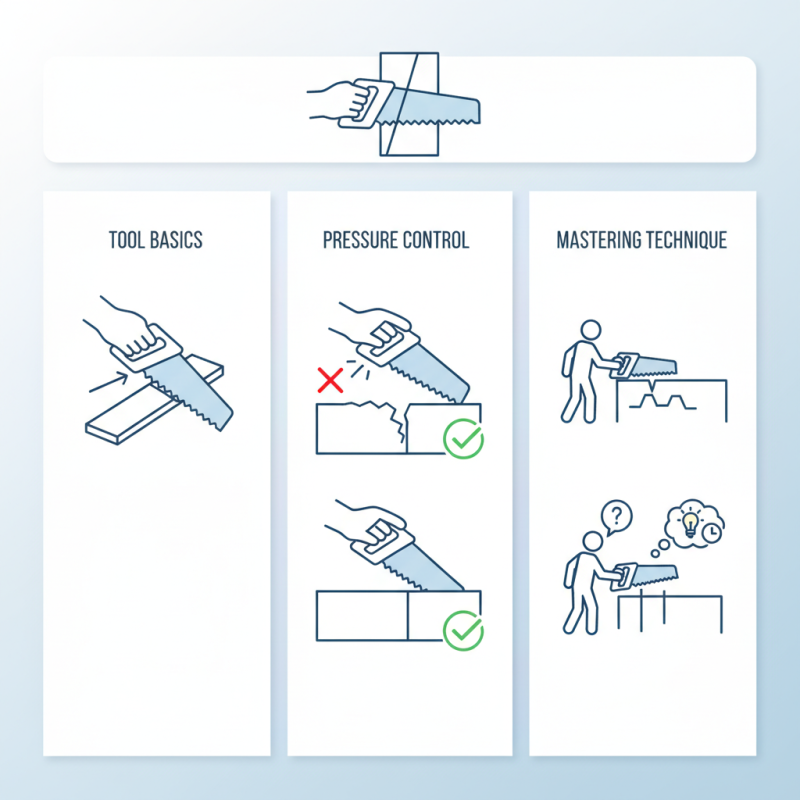
Top Tips for Using a Plaster Saw Effectively?
Using a Plaster Saw can be challenging yet rewarding. This tool is essential for cutting plasterboard with precision. However, many users struggle with its effective use. Understanding the nuances of a plaster saw makes a significant difference.
A plaster saw features a serrated blade. This design helps create clean cuts, vital for professional results. However, users often inhibit their progress by applying too much pressure. This can lead to rough edges or fractures in the material. It's crucial to find the right balance in pressure.
Moreover, using a plaster saw requires practice. Novice users may hesitate, creating uneven cuts. Observing experienced users can provide valuable insights. Learning to maneuver the saw effectively may take time, but the results are worth the effort. Embracing the learning curve is part of the process.
Understanding the Anatomy of a Plaster Saw
A plaster saw is a vital tool in construction and renovation. Understanding its anatomy can significantly improve your effectiveness. The blade is specifically designed for cutting plaster and drywall. Its serrated edges create cleaner cuts. The handle should feel comfortable in your grip. This comfort allows for better control during use.
The blade length varies between models. A longer blade can make deep cuts easier. However, it may be harder to control on smaller tasks. Pay attention to the saw's tension too. A loose blade won't cut accurately. Experimenting with different saws can help you find the right fit.
Some users find it challenging to cut straight lines consistently. Practice is key. Start with scrap materials before tackling your main project. Observe the angle of the cut. Adjust if necessary. Your technique may need refinement over time. A good grasp of the saw's anatomy helps, but experience plays a crucial role too.
Choosing the Right Plaster Saw for Your Project
Choosing the right plaster saw for your project is crucial.
Different projects require different saws with unique features. Consider the blade type. Some blades are finer, while others are coarser. A finer blade can help you achieve smooth edges on delicate work. For thicker materials, a coarser blade may cut through more efficiently.
Think about the length of the saw, too. A longer saw allows for deeper cuts, but may be harder to control. If you’re working in tight spaces, a shorter saw might be more practical. Heavy-duty saws are better for tougher jobs, while lighter alternatives can be easier to handle for smaller projects.
It's essential to reflect on what you really need based on the specific plaster job.
Don’t forget about the importance of comfort. How the handle feels during use is significant. If the saw is uncomfortable, mistakes could happen. Consider testing the saw before purchasing, if possible.
Remember to evaluate your own skill level as well.
A more complex saw might not be ideal for a novice. Balancing these factors ensures you can achieve the best results.
Preparation Steps Before Using a Plaster Saw
Using a plaster saw requires careful preparation. Start by assessing your workspace. Ensure it is well-lit and free from clutter. This not only enhances visibility but also minimizes distractions. It’s essential to have all necessary tools at hand, including safety gear. A dust mask and goggles protect against debris.
Before cutting, mark your plaster surface clearly. Use a straightedge for precise lines. This helps avoid mistakes that could waste material and time. Adjust the saw's blade height based on the thickness of the plaster. If you’re unsure, start with a shallower cut. This way, you can avoid damaging underlying structures.
When operating the saw, maintain steady pressure. Don't rush the process. It’s easy to make errors when you're in a hurry. If you feel resistance, pause and check. Ensure you are following your marked lines closely. Reflect on your technique afterward. Analyze what went well and what could improve next time. Taking these steps will lead to better results.
Top Tips for Using a Plaster Saw Effectively - Preparation Steps Before Using a Plaster Saw
| Preparation Step | Description | Importance |
| Wear Proper Safety Gear | Always wear safety goggles, gloves, and a mask to protect against dust. | High |
| Choose the Right Saw | Select a plaster saw that is suitable for the type of plaster you are working with. | Medium |
| Preparation of Workspace | Clear the area of any unnecessary items and ensure good lighting. | High |
| Mark Cutting Lines | Use a pencil to indicate where cuts will be made to ensure accuracy. | High |
| Check the Condition of the Saw | Inspect the saw for any damage or wear that could affect performance. | Medium |
Techniques for Effective Cutting with a Plaster Saw
When using a plaster saw, precision is key. The blade can easily wander off track if you're not careful. Start by marking your cutting line clearly with a pencil. This gives you a visual guide and helps maintain focus. A steady hand is crucial as you begin. Take your time, especially at the start of the cut, to avoid making mistakes.
Hold the saw with both hands for better control. Apply even pressure while cutting. It's easy to press too hard in the beginning, leading to jagged edges. Slow and steady wins the race. If you find yourself veering off, stop and reassess your grip. It's okay to pause and recalibrate.
Consider practicing on scrap material before tackling your main project. This helps you get a feel for the saw's movement and adjust your technique. Mistakes can happen, and learning from them is part of the process. If the cut isn’t perfect, that’s a chance to improve. Each attempt teaches you something new, making you more skilled for the next job.
Safety Tips While Operating a Plaster Saw
Operating a plaster saw requires attention to safety. Always wear protective gear. This includes goggles, gloves, and a mask. These items shield you from dust and debris. A simple slip can lead to serious injuries. Ensure you have a stable stance while cutting. Position yourself securely to maintain control over the saw.
Another important tip is to inspect your tool before use. Check for any damages or loose components. A faulty saw can cause accidents. Ensure the blade is properly tightened. If it looks worn out, replace it immediately. Your safety comes first.
While working, keep your workspace organized. Clutter can easily lead to mistakes. Also, be aware of your surroundings. Other workers might be present, posing potential risks. Occasionally, pause and reassess your approach. Reflect on your techniques. This practice can lead to better efficiency and safety in the long run.
Top Tips for Using a Plaster Saw Effectively
This chart illustrates the importance level of various safety tips for using a plaster saw effectively, rated from 1 to 10. Proper grip and wearing safety gear are the most crucial aspects, while workspace setup is relatively less critical.
 +49 (0) 3722 59863-0
 sale@acutekcnc.com