How to Choose the Right Stainless Steel Sheet for Your Project?
When embarking on a new project, selecting the right Stainless Steel Sheet is crucial. The versatility of stainless steel sheets makes them suitable for numerous applications. However, not all sheets are created equal. Knowing the specifics of your project will help simplify your decision.
Consider the grade of stainless steel sheet. Different grades have unique properties and are designed for various purposes. For example, 304 stainless steel is highly regarded for its corrosion resistance in many environments. On the other hand, 316 stainless steel offers superior resistance to harsh elements, making it a better choice for marine applications. It’s essential to understand these differences.
Moreover, thickness and finish can greatly impact your project’s success. A thicker sheet might be necessary for structural integrity, whereas a thinner sheet may suffice for aesthetic projects. Polished finishes can enhance appearance but may require more care. Reflect on the requirements of your specific needs. A small oversight in choice can lead to greater complications down the line.
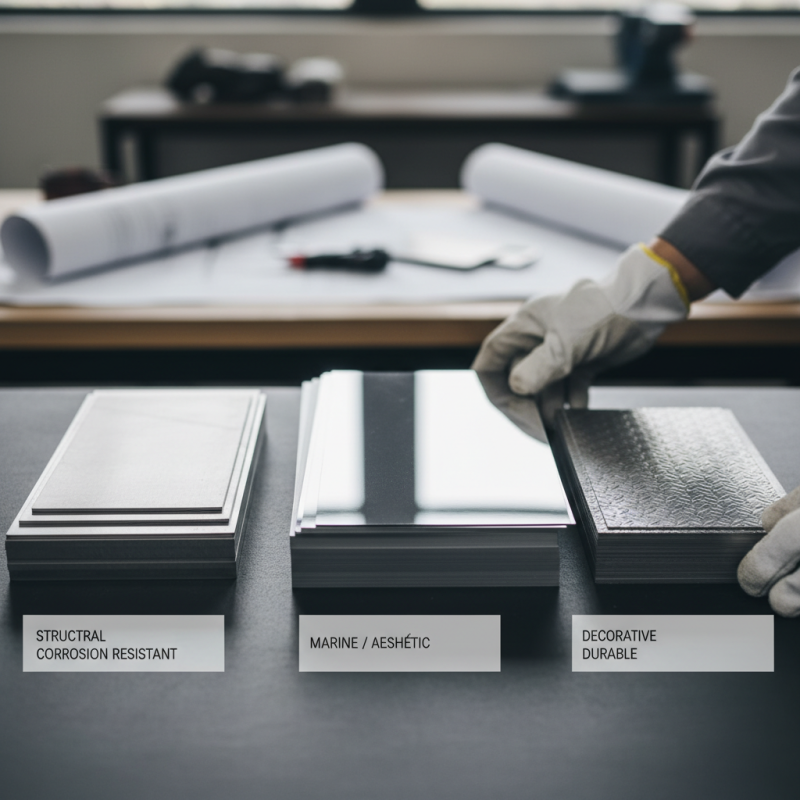
Understanding Stainless Steel Grades and Their Applications
When choosing a stainless steel sheet, understanding the different grades is crucial. Stainless steel comes in various grades, each with distinct properties and applications. For instance, grade 304 is highly versatile and commonly used in kitchen equipment and appliances. It has excellent corrosion resistance and is easy to weld. This makes it a favorite choice for both home and industrial settings.
On the other hand, grade 316 is more suitable for marine environments due to its enhanced resistance to saltwater. It often finds use in chemical processing equipment and medical devices. However, this grade tends to be more expensive. It's essential to weigh the benefits against your project's budget. Many people overlook the importance of these factors, leading to poor material choices.
Furthermore, some might choose a lower grade to cut costs, only to face long-term durability issues. It's crucial to analyze the specific environmental factors your project will face. Neglecting this can lead to corrosion and higher maintenance costs. Ultimately, taking the time to understand stainless steel grades will pay off in the reliability and longevity of your project.
Analyzing Key Properties: Corrosion Resistance, Strength, and Ductility
Choosing the right stainless steel sheet for your project involves understanding key properties like corrosion resistance, strength, and ductility. Corrosion resistance is vital for applications exposed to moisture or harsh chemicals. Stainless steel comes in various grades. Each grade has a unique formulation that impacts its resistance to rust and oxidation. For instance, higher chromium content generally enhances corrosion resistance.
Strength is another critical factor. Stainless steel sheets can vary significantly in strength. Consider the load they will bear and the environment they operate in. Some projects may require high-strength sheets. Others may do well with standard grades. Always assess if the strength meets your project's demands. Understanding your project's environment is key to making this choice.
Tip: Always consult with a materials expert. They can guide you in selecting the appropriate grade. Consider how the material interacts with other substances it may contact. Ensure it aligns with your project's specifications. Testing samples can provide insight into how the material will perform under real conditions. It's also wise to reflect on past projects and learn from any failures related to material choice.
Selecting the Right Thickness and Size for Your Project Needs
When selecting the right thickness and size for stainless steel sheets, understanding your project’s specific needs is crucial. Various thicknesses can serve different applications. For instance, sheets as thin as 0.5 mm are generally used for decorative facades. In contrast, thicker sheets, around 3-10 mm, are ideal for structural uses. According to a report by the International Stainless Steel Forum, the most common thickness for industrial applications is between 2 mm and 6 mm.
Size is equally important. Standard sheet sizes often range from 4x8 feet to 5x10 feet. However, custom sizes may be necessary depending on the project. A precise fit can reduce waste and costs. Some industry analyses show that wasted materials in stainless steel projects can reach up to 15% due to improper sizing. A careful assessment of both dimensions can mitigate this.
Reflect on the intended usage of your stainless steel sheet. Will it be exposed to harsh environments or heavy loads? Understanding these factors shapes your choice of both thickness and size. Ultimately, while there are standard practices, every project presents unique challenges that require thoughtful consideration.
Evaluating Surface Finishes: Aesthetic versus Functional Considerations
When selecting a stainless steel sheet, evaluating the surface finish is critical. Aesthetic appeal and functional performance often clash in decision-making. For instance, a polished surface may look stunning but can be prone to scratches and tarnishing. According to industry reports, polished finishes can show up to 30% higher scratches in real-world applications compared to brushed finishes.
Tip: Always consider your project's location. For high-traffic areas, a brushed or matte finish provides less visual wear and tear. It maintains a clean look while hiding minor blemishes.
Functional considerations should not be overlooked. Surface finishes can influence corrosion resistance. A higher-grit finish can enhance protection in certain environments. However, it may not be necessary if the application is indoors. A recent study found that some lower-grit finishes perform just as well in controlled settings.
Tip: Assess your environmental conditions. Creating a balance between aesthetics and function can save you money in the long run. Not every finish is suitable for all applications. Analyze the specific needs of your project before making a choice.
Cost Factors and Sourcing: Budgeting for Quality Stainless Steel Sheets
When budgeting for quality stainless steel sheets, several factors come into play. The type of grade you choose significantly impacts the cost. Higher grades may be more durable but also pricier. Understanding your project's requirements helps in making an informed decision. Sometimes, more affordable options may compromise durability. This can lead to future expenses if replacements are needed.
Sourcing is another critical aspect. Local suppliers might offer quicker delivery, but their prices may be higher. Online suppliers often have better deals, but shipping costs can add up. It's essential to balance cost with convenience. In addition, check the supplier's reputation. Reviews can expose potential pitfalls, like delays or poor quality.
When evaluating options, consider scrap rates. Some manufacturers may have hidden costs associated with waste. Make sure to review any policies regarding returns. This can save you from financial losses if the sheets do not meet your standards. Ultimately, thorough research and careful planning are necessary for staying within budget.
 +49 (0) 3722 59863-0
 sale@acutekcnc.com