How to Choose the Right Spindle Motor Shaft for Your Needs?
Selecting the appropriate Spindle Motor Shaft for your machinery is crucial. It can directly impact performance and efficiency. According to Dr. Alex Thompson, a respected engineer in the spindle industry, “The right spindle motor shaft can make or break your project.” This highlights the importance of making an informed decision.
Understanding your needs is vital. Different applications require specific configurations. Factors like diameter, length, and material can greatly vary. For instance, a heavy-duty application might need a robust stainless steel shaft, while lighter uses may fare well with aluminum. The risk of over-engineering or under-engineering remains, leading to costly mistakes.
Expert recommendations are invaluable in this process. Seek guidance and review options. Analyzing specifications and performance ratings helps clarify suitability. Remember that real-world use may differ from theoretical designs. Acknowledging this can prevent potential setbacks and enhance your project’s outcome. Taking the time to reflect on your choice is the first step toward success.
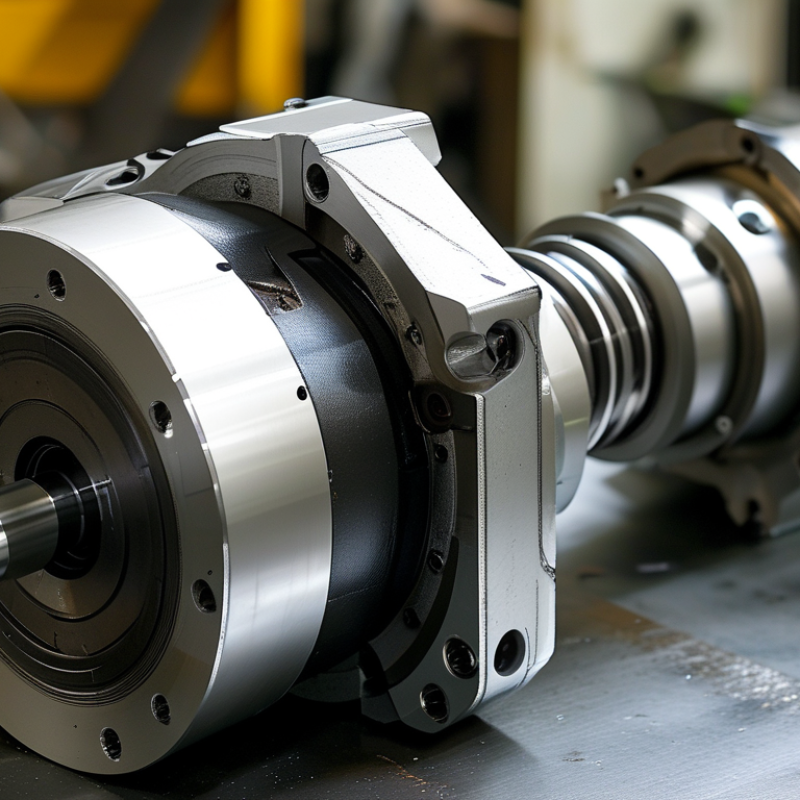
Understanding the Basics of Spindle Motors and Shafts
Spindle motors are crucial in various applications, from CNC machines to woodworking tools. They serve as the powerhouse, converting electrical energy into mechanical motion. Understanding spindle motors involves grasping how they work and their components. The spindle motor shaft plays a vital role in transferring that motion to the tool or workpiece. An ideal shaft must match the motor's specifications and the project's requirements.
When choosing a spindle motor shaft, pay attention to its dimensions, materials, and drive system. Different projects demand different levels of rigidity and flexibility in the shaft. For instance, a softer material may reduce vibration but could also lose precision over time. A well-balanced shaft ensures smoother operation and minimizes wear on bearings. Users should also consider the torque ratings and rotational speed to achieve optimal performance.
Many times, individuals may overlook the importance of precise measurements. This oversight can lead to compatibility issues and reduced efficiency. It's essential to evaluate the specific requirements of your project before making a decision. Sometimes, a little trial and error may be necessary to find the perfect fit. Understanding the basics of spindle motors and shafts can significantly influence your project's success.
Identifying Your Specific Application Requirements
When selecting a spindle motor shaft, understanding your specific application is critical. Different tasks require varied shaft characteristics. For instance, a high-speed application may demand a shaft with minimal vibration and precise tolerance. In cases where torque is crucial, choosing a shaft with appropriate strength becomes vital. Identifying these needs early helps prevent missteps.
Assessing the environment where the spindle motor will operate is also essential. Factors like temperature, humidity, and exposure to chemicals can impact motor performance. If not considered, these elements could lead to mechanical failure or reduced efficiency over time. Always analyze the load requirements as well. Knowing whether the load will be consistent or fluctuating can affect shaft selection.
Finally, consider the mounting and alignment of the motor shaft. Even minor misalignments can cause significant wear and tear. Seek expert advice if unsure about the needed specifications. A small oversight in this area could result in costly repairs down the line. Evaluating your application and its demands carefully can lead to better choices.
Evaluating Motor Power and Torque Specifications
When selecting a spindle motor shaft, understanding power and torque specifications is critical. Motor power, measured in watts or horsepower, dictates the maximum load a motor can handle. Higher power usually equals better performance, but it may come with higher energy costs. Evaluating your application's specific needs can prevent oversizing or undersizing the shaft.
Torque is equally essential. It is the force that rotates the spindle. A higher torque means more power to drive heavier loads. However, if you choose a motor with excessive torque for a lightweight application, it could lead to inefficiencies. This mismatch can also result in mechanical strain.
Consider the intended use and working environment. Will the motor run continuously or intermittently? Will it face variable loads? These factors influence your choices. An ideal spindle motor must balance power, torque, and application requirements. Misalignment in these specs can lead to performance issues. Engaging with industry experts can help refine your choices. Solving these dilemmas may lead to a more efficient and reliable setup.
How to Choose the Right Spindle Motor Shaft for Your Needs? - Evaluating Motor Power and Torque Specifications
| Motor Type | Power (kW) | Torque (Nm) | RPM | Efficiency (%) | Cooling Method |
| AC Induction Motor | 5 | 15 | 1500 | 85 | Air-Cooled |
| DC Permanent Magnet Motor | 3 | 10 | 3000 | 90 | Brushless |
| Stepper Motor | 1.2 | 0.5 | 200 | 80 | No Cooling |
| Servo Motor | 4 | 20 | 2000 | 95 | Liquid-Cooled |
Selecting the Right Material for Durability and Performance
Selecting the right material for spindle motor shafts is crucial for both durability and performance. The material directly influences the shaft's ability to withstand various operational stresses. For instance, high-carbon steel is often chosen for its strength and wear resistance. Reports indicate that materials like this can increase lifespan by up to 30% compared to lower-grade alternatives.
Another popular choice is stainless steel. It provides excellent corrosion resistance, making it suitable for environments exposed to moisture or chemicals. Independent studies show that the choice of material can affect the overall efficiency of the motor. A 2022 survey revealed that motors using high-quality materials saw a 15% improvement in energy consumption.
However, selecting the wrong material can lead to issues. Some users may prioritize cost over quality, unwittingly compromising their machinery's integrity. Inadequate material selection may result in frequent replacements and downtimes. Analyzing specific operational environments is essential. Use a material that matches the conditions it faces to avoid unnecessary repairs and maintain optimal performance.
Material Comparison for Spindle Motor Shafts
This chart presents a comparison of the durability ratings for various materials commonly used in spindle motor shafts. Steel tops the chart with the highest durability, while aluminum offers a lightweight alternative with a decent rating. Carbon fiber shows good performance, and titanium provides a strong yet lightweight option.
Considering Compatibility with Existing Equipment and Technologies
Choosing the right spindle motor shaft requires careful consideration of compatibility with your existing equipment. This step cannot be overlooked. A perfect fit ensures optimal performance and avoids unnecessary downtimes. Assessing dimensions and specifications is crucial. Measure your current setup before purchasing.
Compatibility also extends to the technology in use. Different systems may employ varying types of connections. Key aspects include shaft diameter, length, and keyway designs. Mismatched components can lead to operational inefficiencies. It’s worth pondering: do your older machines still meet today's standards? Evaluating their capability versus newer options is vital for future-proofing.
Compatibility issues can arise even with minor specification differences. It's common to discover such problems after installation. If components don’t integrate smoothly, repairs can be costly. Taking time to ensure precise alignment with your needs is essential. Simplifying your choices now can save you headaches later.
 +49 (0) 3722 59863-0
 sale@acutekcnc.com