How to Choose the Best Aluminum Ceiling Profile for Your Project?
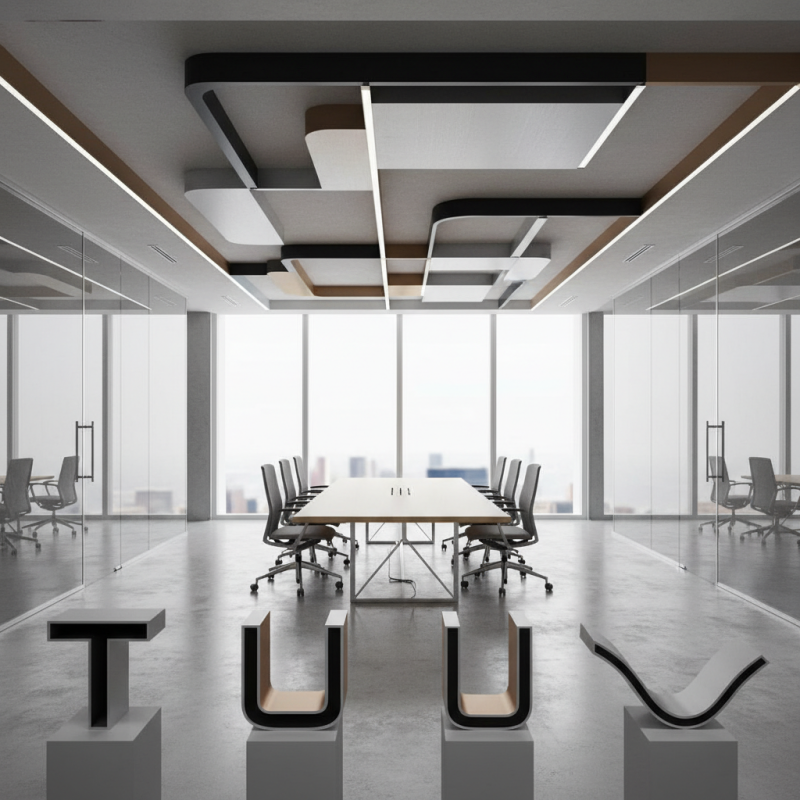
Choosing the right Aluminum Ceiling Profile for your project is crucial. The ceiling profile impacts the overall aesthetics and functionality of the space. A well-selected profile not only enhances visual appeal but also improves structural integrity.
When evaluating various Aluminum Ceiling Profiles, consider factors such as design, size, and material quality. Each choice carries its pros and cons. For instance, some profiles are easier to install, while others may offer design flexibility. Think about maintenance as well. Some materials require more care than others.
Reflecting on past experiences can guide your choice. Perhaps a previously chosen profile did not meet expectations. Learning from these moments can prevent future mistakes. Ultimately, ensuring the right fit for your unique needs will lead to a successful project.
Understanding Aluminum Ceiling Profiles and Their Benefits
When selecting aluminum ceiling profiles, understanding their benefits is crucial. Aluminum ceilings are known for their durability and aesthetic appeal. According to industry reports, aluminum components can last over 30 years with proper maintenance. This durability makes them a cost-effective choice for long-term projects.
One significant advantage of aluminum ceiling profiles is their lightweight nature. This aids in easy handling and installation, reducing labor costs. Research indicates that lighter ceiling materials can decrease overall structural load by nearly 15%. Alongside their strength, aluminum profiles are resistant to moisture, which is essential in humid environments. However, not all profiles provide the same level of performance.
Employing the wrong profile can lead to complications in installation or durability issues over time. It's beneficial to compare various profiles, assessing features like finish types and installation requirements. Industry surveys suggest that aesthetics remain a major decision factor, influencing about 40% of consumer choices. Selecting the right profile, therefore, hinges not only on physical properties but also on visual compatibility with the surrounding environment.
Aluminum Ceiling Profile Types and Their Popularity
This chart displays the popularity of different types of aluminum ceiling profiles based on their suitability for various projects. The data shows the preference level in percentage, helping you choose the best option for your needs.
Key Factors to Consider When Selecting Aluminum Ceiling Profiles
When selecting aluminum ceiling profiles, several key factors demand attention. The purpose of the ceiling is crucial. Are you aiming for aesthetics, acoustics, or durability? Understanding this will guide your choice. A high-quality ceiling profile enhances the overall design and functionality of the space.
Another important aspect is the profile's compatibility with your existing structures. Different profiles serve various installation methods, like grid systems or direct mounting. This can affect the final look of your project. Also, consider the finish. A matte finish may hide imperfections better, while a polished surface can enrich the visual appeal but requires more maintenance.
Keep in mind the environmental conditions of the installation area. Humidity and temperature fluctuations can impact the profile's performance. Ensure it can withstand these factors. It’s essential to consult with experts when in doubt. Every choice affects the project outcome, and careful consideration will lead to a successful finish.
Different Types of Aluminum Ceiling Profiles Available in the Market
When selecting aluminum ceiling profiles, understanding the types available is crucial. The market offers various profiles, including T-bar, grid systems, and custom shapes. T-bar profile systems are popular due to their ease of installation. They offer a clean and modern look, making them suitable for commercial spaces. Research indicates that 55% of interior designers prefer T-bar for its versatility.
Grid systems represent another choice. They allow for flexibility and can support a range of ceiling tiles. This makes them ideal for spaces requiring maintenance access. These systems can accommodate lighting fixtures, ventilation, and other utilities. Industry reports show that grid systems account for about 30% of ceiling installations in office buildings.
Custom profiles enable unique designs tailored to specific needs. This option appeals to high-end projects and artistic spaces. However, custom solutions can lead to increased costs and longer lead times. Some contractors may find this approach challenging due to the required precision in measurements and installation. Reflecting on these details can guide your choice of aluminum ceiling profiles effectively.
Tips for Measuring and Installing Aluminum Ceiling Profiles Successfully
When measuring for aluminum ceiling profiles, accuracy is key. Use a reliable measuring tape and ensure you take multiple measurements in different areas. Spaces can vary, and small discrepancies may lead to larger issues later. Think about how the profile will fit in relation to walls and light fixtures. It’s often helpful to jot down measurements clearly to avoid confusion during installation.
Installing aluminum profiles requires attention to detail. Start by securing the profiles at the corners first. This creates a stable framework. Use a level to maintain perfect alignment, as slight tilts may be noticeable. It’s common to underestimate how much precision matters. Each piece should fit snugly; if gaps appear, adjustments are necessary. Remember, your installation future relies on the initial setup.
During your project, be ready for unexpected challenges. Sometimes, pre-drilled holes might not align perfectly. Adapting is part of the process. Gather feedback from peers if you're unsure about your approach. Even experienced installers face hurdles that require reflection and adaptation. Embrace these learning moments.
Maintenance and Care for Aluminum Ceiling Profiles in Your Project
When considering aluminum ceiling profiles, maintenance is key. Regular care ensures longevity and performance. Studies show that properly maintained aluminum ceilings can last up to 50 years. Neglecting maintenance can result in unsightly discoloration and reduced structural integrity.
Cleaning aluminum ceilings requires gentle methods. Use a soft cloth and mild detergent. Avoid harsh chemicals, as they can damage the finish. According to industry data, regular cleaning every three to six months helps maintain appearance and prevents accumulations of dirt and grime. It’s important to check for scratches and dents that may occur during installation or everyday use.
Proper care extends beyond cleaning. Inspect the profiles at least twice a year. Look for any signs of corrosion, especially in high-humidity areas. Early detection can prevent costly repairs later. The American Society for Testing and Materials (ASTM) emphasizes the importance of this routine check-up. Failure to address issues can diminish the aesthetic appeal of your project. Consider investing time in maintenance; it can significantly extend the life of your aluminum ceiling profiles.
 +49 (0) 3722 59863-0
 sale@acutekcnc.com