How to Choose the Best Truck Bearing for Your Needs?
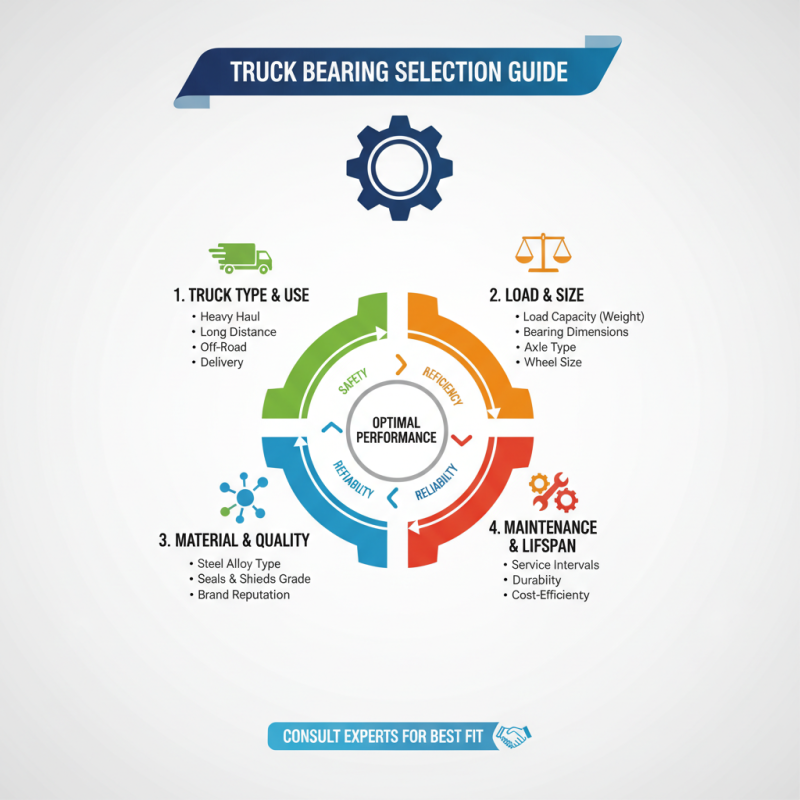
Choosing the right Truck Bearing can be challenging. The perfect bearing enhances performance and ensures safety. Factors such as load capacity, size, and material must be considered.
Many truck owners overlook the importance of quality. This choice can impact maintenance costs and vehicle efficiency. Not every bearing suits every truck.
Consulting experts can lead to better decisions. Understanding specifications helps you avoid mistakes. A reliable truck bearing can significantly improve your vehicle’s lifespan. Making a thoughtful choice is crucial for optimal performance.
Understanding the Role of Truck Bearings in Performance and Safety
Truck bearings play a vital role in both performance and safety. They allow wheels to spin freely while supporting the weight of the vehicle. Choosing the right bearing affects how smoothly a truck operates. Proper bearings can lead to better fuel efficiency. Poor choices can lead to unexpected breakdowns and safety hazards.
When selecting truck bearings, consider their load capacity. Different applications require different strength levels. Examine the environment, too. Dust, moisture, and heat can impact bearing performance. Even small factors can create significant issues. Regular inspections can help spot wear and tear early. Neglecting maintenance may lead to costly repairs.
Understand that not all bearings are created equal. The material and design matter greatly. Sometimes, the cheapest option may not be the best choice. Quality bearings might cost more upfront but save money in the long run. Always weigh initial costs against potential long-term benefits. Make informed decisions based on real-world data and experiences.
Types of Truck Bearings: Choosing the Right Style for Your Needs
When selecting truck bearings, understanding the various types available is crucial. Common styles include ball bearings, roller bearings, and tapered bearings. Each type offers unique benefits and drawbacks.
Ball bearings are often used for their versatility and ability to handle radial and axial loads. However, they may not be the best choice for heavy-duty applications. Roller bearings excel in load capacity and stability but can be more complex to install. Tapered bearings offer a combination of both, making them suitable for a range of trucks.
Tips: Always consider the weight and usage of your truck. Opt for bearings that match your typical load conditions. Regularly inspect bearings for wear and tear. This can prevent unexpected failures. Be mindful of maintenance, as neglect can lead to performance issues or expensive repairs down the line.
Key Factors to Consider When Selecting Truck Bearings
When selecting the best truck bearing, consider several key factors. The size and load capacity are crucial. Ensure the bearing fits your truck's specifications and can handle the weight. A mismatch can lead to early wear or failure. Pay attention to material quality as well. High-quality steel or ceramic bearings tend to last longer and perform better under stress.
Another important factor is the bearing type. There are various types such as roller or ball bearings. Each has unique benefits. Roller bearings are better for heavy loads, while ball bearings offer smoother rotations. Analyze your driving conditions. Rough terrains may demand more durable options.
Tips to keep in mind: Check the manufacturer’s specifications. A reliable manufacturer often indicates quality. Regular maintenance can extend the life of your bearings, ensuring they perform at their best. Look for signs of wear early, such as unusual noises or vibrations. Addressing issues promptly can save costs in the long run. Remember, the right choice impacts overall vehicle performance and safety.
Maintenance Tips to Prolong the Life of Your Truck Bearings
When it comes to maintaining truck bearings, proper care is essential for longevity. Regular inspections will help identify signs of wear. Look for unusual noises or vibrations. These are often early indicators that something might be wrong. A quick check can save you time and money in the long run.
Tips for extending the life of your truck bearings include keeping them clean. Dirt and debris can cause significant damage over time. Use a soft brush or compressed air to remove any buildup. Also, ensure proper lubrication. The right grease reduces friction and helps bearings function smoothly. Over time, even the best grease can break down. Regularly replace it to maintain optimal performance.
Another factor to consider is environmental conditions. Extreme temperatures can affect bearing materials. If your truck operates in harsh conditions, it may require more frequent maintenance. Pay attention to any changes in handling or performance. Addressing these issues promptly can prevent costly repairs down the line.
Common Mistakes to Avoid When Choosing Truck Bearings
Choosing the right truck bearing can be tricky. Many people underestimate the importance of specifications. They might focus solely on size or price. However, overlooking details can lead to performance issues. Proper focus on load capacity and material quality is crucial. Many components work together in a truck. One faulty bearing can disrupt the entire system.
Common mistakes can often stem from misinformation. Some believe all bearings are interchangeable. This is simply not true. Each type has unique traits designed for specific applications. For instance, not all bearings handle the same weather conditions. Choosing the wrong type can affect your truck's longevity. It's essential to consider the environment in which your truck operates.
Another mistake is ignoring maintenance needs. Some users forget that regular checks are vital. Over time, dirt and debris can degrade bearings. This can lead to premature failure. Delaying maintenance may save time initially but causes bigger problems later. Make periodic inspections a priority. It could save you from costly repairs down the line.
 +49 (0) 3722 59863-0
 sale@acutekcnc.com