How to Choose the Best Electro Permanent Magnetic Lifter?
Choosing the right Electro Permanent Magnetic Lifter can be a daunting task. Experts in the industry often emphasize the importance of understanding your specific needs. John Smith, a renowned specialist in material handling solutions, once said, "The key to effective lifting solutions lies in selecting the right equipment for your application."
When evaluating various models, consider factors like load capacity and lifting height. These elements play crucial roles in ensuring safety and efficiency during lifting operations. An inappropriate choice may result in operational delays or even accidents. It's essential to analyze the lifting environment, as it significantly impacts the performance of your Electro Permanent Magnetic Lifter.
Moreover, not every product on the market meets the highest standards. Some may lack durability or have subpar magnetic holding power. Engaging with industry experts and reviewing manufacturer specifications can reveal critical differences. Remember, selecting the ideal lifter requires ongoing consideration and a willingness to adapt to new technologies and insights.
Understanding Electro Permanent Magnetic Lifters: A Brief Overview
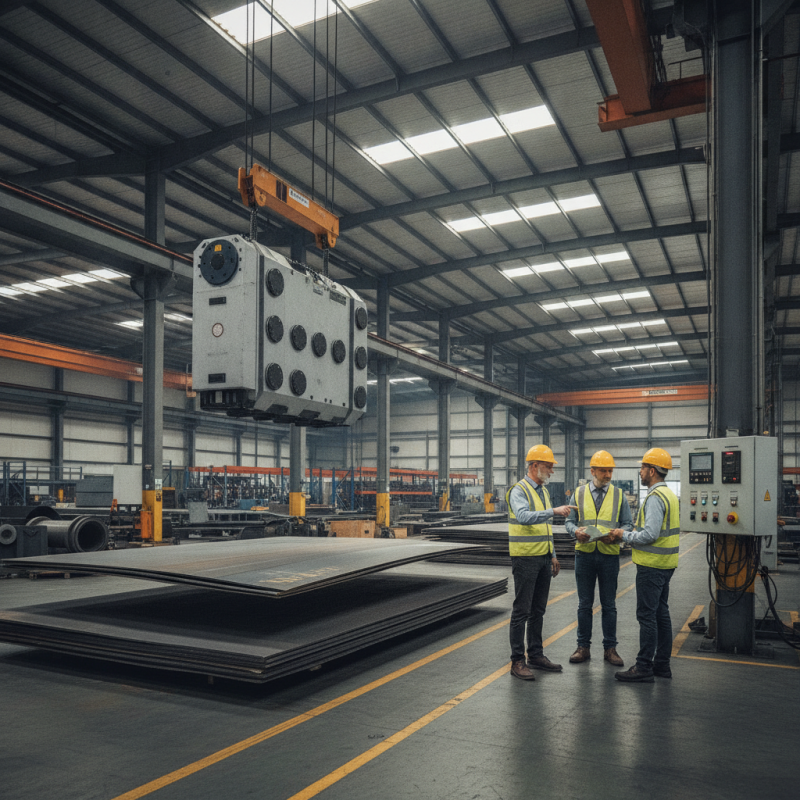
Electro permanent magnetic lifters are essential tools in industrial settings. They function using a combination of electric and permanent magnets. This unique design allows them to operate without a continuous power supply. They are particularly useful for lifting heavy steel objects with ease and safety.
When choosing an electro permanent magnetic lifter, consider the load capacity. Different models support different weights. It's important to match the lifter to your lifting needs. Examine the safety features as well. Reliable models offer fail-safe mechanisms in case of power loss. Look for certifications that indicate compliance with industry standards.
Tips: Always test the lifter before regular use. Place a weight slightly below the maximum capacity to evaluate its performance. Regularly inspect the device for wear and tear. This can help identify potential issues early on. Remember, a well-maintained lifter ensures better reliability and safety in operations.
Key Factors to Consider When Choosing a Magnetic Lifter
When selecting an electro permanent magnetic lifter, several key factors should guide your decision. The lifting capacity is paramount; it must align with the load you intend to lift. Many reports show that lifters should typically support at least 3-5 times the weight of the load for safety.
Another essential consideration is the material and design of the lifter. High-quality magnetic materials, such as neodymium or ferrite, can enhance performance significantly. Industry studies indicate that lifter efficiency can drop by up to 30% when inferior materials are used. It's crucial to assess the environment in which the lifter will operate. Factors like temperature, humidity, and contamination can affect its effectiveness.
Safety features should not be overlooked. A reliable magnetic lifter includes a manual release mechanism, ensuring that loads can be safely disengaged. Also, check for certifications and compliance with industry standards. Many lift failures occur due to neglecting these details. Reflecting on these factors can lead to better decisions when choosing a lifter, ultimately influencing workplace efficiency and safety.
Evaluating the Load Capacity and Safety Features
When evaluating electro permanent magnetic lifters, load capacity is paramount. A lifter should handle specific weights safely. Check the manufacturer's specifications for the maximum load. Take real-world scenarios into account. The lifter may perform differently based on the metal type. Heavy-duty use cases require careful selection.
Safety features deserve close attention. Look for designs with fail-safe systems or built-in indicators. These features can prevent accidents. Consider how the lifter operates under stress. Regular testing is crucial in real applications. Factors like temperature can affect performance. They may lead to unintended failures.
Using the right lifter can enhance productivity. However, one must reflect on the limitations. Testing under various conditions reveals insights. Practical experience can help prevent mishaps on the job. Relying solely on specifications may not suffice. Being aware of the real-world performance is key.
Assessing the Quality and Durability of Materials Used
When choosing an electro permanent magnetic lifter, material quality is crucial. The magnetic lifter's performance hinges on its components. Look for high-grade steel and reliable magnets. Such materials ensure better holding capacity and durability. Inferior materials may lead to safety hazards, resulting in accidents.
Evaluating the construction is equally important. Pay attention to welding quality and finish. Well-constructed lifters resist wear and tear. Regular inspections can reveal any possible weaknesses or flaws. Neglecting this step might compromise performance over time. How often do we question the materials in everyday tools? Reflect on their importance to overall functionality.
Consider user feedback and expert reviews for further insights. Real-world experiences can highlight potential issues with specific designs or materials. While data sheets provide some information, they may not capture every detail. It's wise to gather as much information as possible before making a decision. A deep dive into material specifications aids in making informed choices.
Quality and Durability Assessment of Electro Permanent Magnetic Lifters
Comparing Different Models and Manufacturers for Performance
When selecting an electro permanent magnetic lifter, performance varies widely across models and manufacturers. A recent industry report indicated that lifting capacity can range from 300 kg to over 10,000 kg. The efficiency of these lifters depends on several factors, including magnetic strength and the construction material. Best-in-class models can provide a comfortable safety factor, often exceeding 3:1.
Comparing features such as energy consumption and cycle time is essential. Lifters that quickly release and engage magnets can enhance productivity. Some models achieve energizing times of less than 10 seconds. Data also reveals that certain lifters can maintain their magnetic strength even after power loss. This reliability is crucial in preventing accidents on the job.
Evaluation techniques, such as load-testing and thermal imaging, can expose hidden issues. Some machines may overheat under continuous operation, leading to failures. Users often overlook the importance of regular maintenance. Not every manufacturer provides robust support, which can affect long-term performance. Balancing cost and features requires careful consideration and may lead to difficult choices.
 +49 (0) 3722 59863-0
 sale@acutekcnc.com