How to Choose the Best Door Handle for Your Needs?
Choosing the right Door Handle is crucial for both function and aesthetic appeal in any space. According to a recent industry report by the Home Improvement Research Institute, well-selected door hardware can enhance a home’s value by up to 10%. Factors such as material, design, and installation method influence both the practicality and longevity of door handles.
Different designs cater to varying needs, from classic styles to modern minimalism. For instance, a busy family may require durable handles that withstand daily use. In contrast, a designer may seek unique pieces for a statement entry. Not all door handles are created equal; some can be prone to wear or damage over time, raising questions of reliability.
Considering the right balance between aesthetics and functionality is essential. With myriad options available, the decision can feel overwhelming. Careful evaluation of your specific needs can lead to a satisfying choice. However, overlooking safety features or durability could lead to regrets. Invest time in understanding the various options available before making a decision.
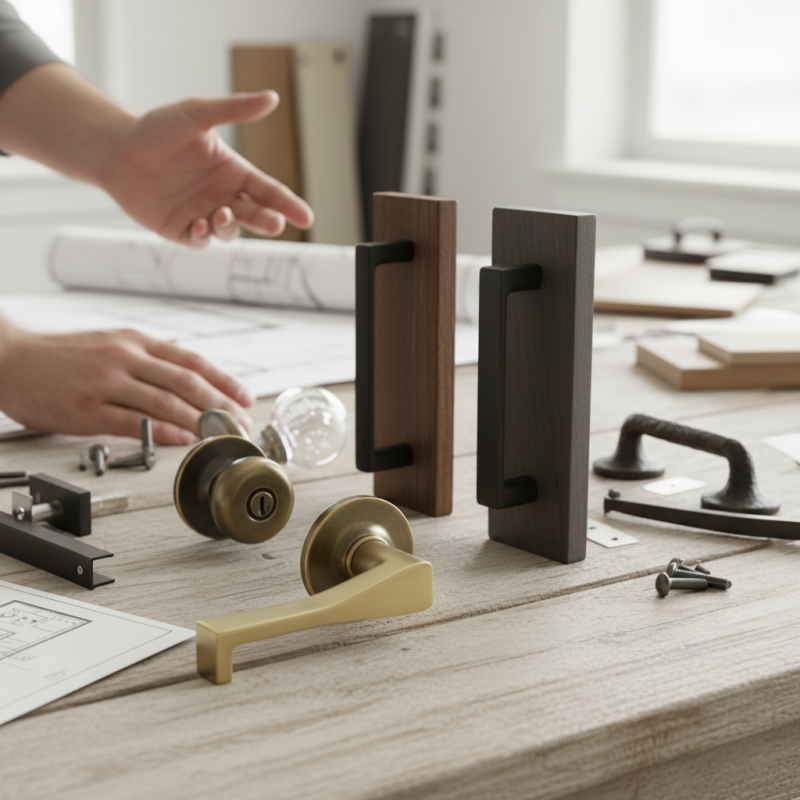
Understanding Door Handle Types: Lever, Knob, and Pull Designs
When selecting a door handle, understanding the different types available is crucial. Lever handles are a popular choice due to their ease of use. They require less grip strength, making them ideal for children and the elderly. These handles come in various designs, enhancing functionality without sacrificing style.
Knob designs are classic but can be less user-friendly. They might pose challenges for those with limited dexterity. However, knobs can offer a vintage feel to your home. Consider using knobs on interior doors where less frequent use occurs. The aesthetic appeal can outweigh the practical drawbacks.
Pull handles are another option worth exploring. They work best on sliding doors or heavy doors, providing a robust grasp. If style is your focus, consider the finish and design. A coordinated look can elevate your entryway.
**Tips:** Choose lever handles for high-traffic areas and family homes. Think about your family’s needs before making a selection. A door handle should be functional and complement your home décor.
How to Choose the Best Door Handle for Your Needs?
| Handle Type | Description | Best Use Case | Pros | Cons |
| Lever Handle | A handle that operates by pushing down or pulling up a lever. | Ideal for universal accessibility and ease of use. | Easy to operate with one hand; stylish and modern. | Can be accidentally bumped open; may require more durability. |
| Knob Handle | A round handle that turns to open a door. | Commonly used for interior doors and closets. | Variety of styles; cost-effective; secure closure. | Less accessible for individuals with limited hand strength; can be difficult to grip. |
| Pull Handle | A handle that requires pulling to open the door. | Used mainly for sliding doors or heavy entry doors. | Durable and robust; can be stylish and decorative. | May not be suitable for all door types; requires clear space for operation. |
Evaluating Material Options: Metal, Plastic, and Wood Durability
When choosing the right door handle, material plays a crucial role. Metal, plastic, and wood each offer unique benefits and drawbacks. According to a report from the American Institute of Architects, metal handles are favored for their durability and strength. They can resist wear and tear, often lasting over a decade in busy environments. However, they may be prone to rust if not treated properly.
On the other hand, plastic handles are lightweight and resistant to corrosion. They can be an appealing option for those seeking affordability. However, their longevity is often debated. Recent studies suggest that high-quality plastic can last up to five years, but cheaper variants may need replacement sooner. This points to a need for consumers to assess the quality closely.
Wooden handles provide an aesthetic warmth that neither metal nor plastic can replicate. Yet, they require regular maintenance to prevent splitting and warping. Data shows that untreated wooden handles may last only three years outdoors. Hence, evaluating the environment of use is vital. Reflecting on these factors could guide you in making a more informed choice.
Choosing the Right Finish: Aesthetic Appeal and Maintenance Factors
Choosing the right finish for your door handles is crucial. Aesthetic appeal matters but maintenance plays a significant role too. Consider how often you use the door. High-traffic areas require finishes that withstand wear and tear. Polished brass may look stunning, but it tarnishes quickly. A brushed finish offers a more forgiving option.
Think about the overall design of your space. Matte finishes can create a modern look, while shiny surfaces add elegance. However, shiny finishes show fingerprints easily. If your space feels chaotic, those marks may become a source of frustration. You might love chrome's glimmer now, but keep in mind the upkeep it demands.
Lastly, consider the climate where you live. Humidity can affect materials differently. Some finishes might rust or corrode in wet conditions. A resilient finish is a sound choice. Occasionally, people overlook how a door handle's finish can age over time. Reflecting on these details ensures your choice aligns with both beauty and practicality.
Choosing the Right Finish for Door Handles
Assessing Grip and Ergonomics: Comfort and Functionality in Use
Choosing the right door handle can greatly affect comfort and ease of use. When considering grip and ergonomics, the shape of the handle is crucial. A well-designed handle fits your fingers comfortably, allowing a secure grip. Look for contours that naturally align with your hand. Test the feel before making a choice; comfort is key.
The height and direction of the door handle can also impact functionality. Elevated handles may require different arm movement, which not everyone finds comfortable. Think about your daily needs: Do you often carry items? If so, a handle that allows easy maneuvering is essential. Consider the materials too. Some may feel cold or slippery, while others provide a warm touch and good grip.
Reflecting on these aspects will help in making an informed decision. Don't rush; evaluate different types. The right door handle should feel like a natural extension of your hand. Your daily interactions with it matter. Opt for options that combine aesthetic appeal with practical benefits. After all, a small detail can make a big difference in your everyday routine.
Security Features: Keyless Entry, Smart Handles, and Locking Mechanisms
When choosing a door handle, security features should be a top priority. Keyless entry systems are gaining popularity. They provide convenience and can enhance safety. Imagine never having to fumble for keys again. You simply enter a code or use a smartphone. However, what if the battery dies? Always consider backup options when opting for keyless designs.
Smart handles are also an innovative choice. They often integrate with home automation systems. This allows you to control access remotely. However, these devices can be vulnerable to hacking. Regular updates and strong passwords are essential to maintain security.
Locking mechanisms must not be overlooked. Deadbolts offer robust security but can be cumbersome. Meanwhile, lever handles are easier to use but may not provide the same level of protection. Assess your needs carefully. A balance between convenience and protection is crucial. Reflect on how often you need to access your entry points. Choose a handle that aligns with your lifestyle while ensuring safety.
 +49 (0) 3722 59863-0
 sale@acutekcnc.com