What is Brass Die Casting Benefits and Applications Explained?
Brass Die Casting is a vital process in manufacturing. It offers numerous advantages in various industries. John Smith, a leading expert in the field, once remarked, “Brass die casting combines durability with versatility.” This highlights its significant impact on production.
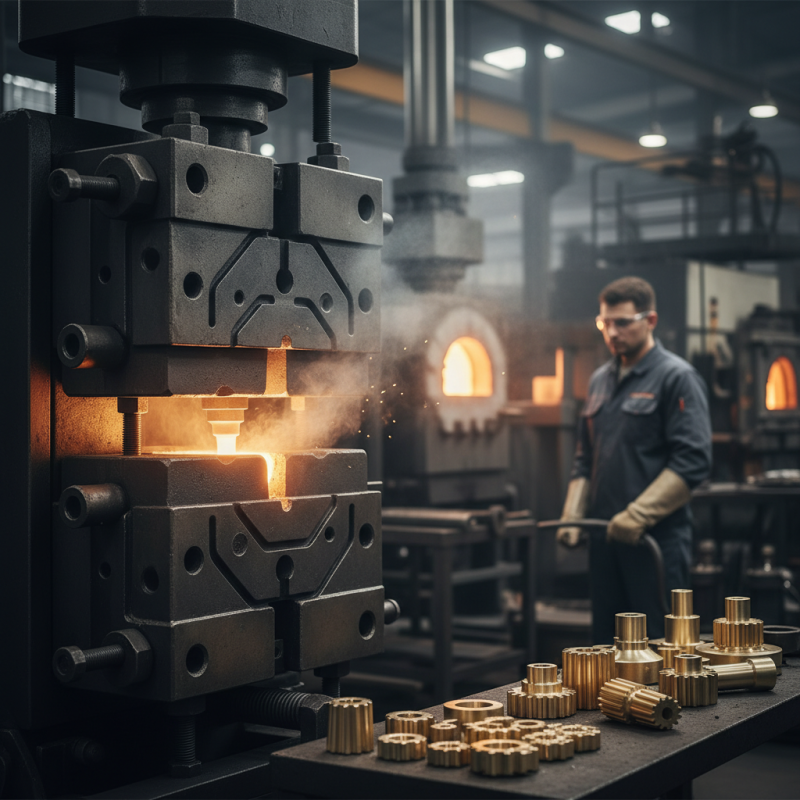
The process involves melting brass and injecting it into molds. This method allows for intricate designs and precise dimensions. Industries from automotive to electronics benefit greatly from brass die casting. The final products often exhibit superior strength and resistance to corrosion.
However, challenges exist. Not all designs can be efficiently produced through brass die casting. The initial tooling costs can also be high. Companies must weigh these factors carefully. Yet, the benefits often outweigh the drawbacks, making brass die casting a preferred choice for many manufacturers.
Overview of Brass Die Casting Process
Brass die casting is a highly efficient manufacturing process. It involves pouring molten brass into a mold to create precise components. This method offers numerous advantages, including reduced material waste and improved production rates. According to industry reports, the global die casting market is projected to grow at a CAGR of 5% from 2021 to 2026, highlighting the growing demand for efficient manufacturing solutions.
The process itself begins with the heating of brass alloys, which can include copper, zinc, and other metals. Once the alloy reaches its optimal temperature, it is injected into a steel mold. This allows for rapid cooling and solidification, creating strong and intricately detailed products. However, achieving the ideal mold temperature is critical. If not monitored properly, it can lead to defects, diminishing product quality.
Brass die casting applications are widespread, spanning automotive, electronics, and plumbing industries. Structures produced through this method exhibit corrosion resistance and durability. Some applications demand high precision, putting more pressure on manufacturers to perfect their techniques. As a result, challenges with tooling and process control may arise. Addressing these flaws is essential for optimizing output and maintaining competitive advantage in the marketplace.
Benefits of Brass Die Casting
The bar chart illustrates the key benefits of brass die casting, showcasing advantages such as precision, durability, and the ability to create complex shapes, all contributing to its effectiveness in various applications.
Advantages of Using Brass for Die Casting
Brass is a popular material for die casting due to its unique properties. Its excellent corrosion resistance makes it ideal for applications in wet environments. This feature extends the life of components significantly, reducing the need for frequent replacements. Brass also has good thermal and electrical conductivity, making it perfect for electrical and plumbing fittings.
Using brass for die casting offers other advantages too. The material is highly malleable, allowing it to be shaped easily into complex designs. This flexibility meets various design requirements, enhancing the aesthetic appeal of finished products. However, the high melting point of brass can present challenges in the casting process.
Despite these advantages, some drawbacks exist. Brass die casting can be more costly than aluminum or zinc options. Depending on the intended use, the initial investment may not justify the benefits. Additionally, achieving the perfect balance of properties during casting can require expert knowledge and precise conditions. This complexity sometimes leads to production delays and quality control issues.
Common Applications of Brass Die Cast Products
Brass die casting has a diverse range of applications, making it a staple in various industries. The automotive sector often utilizes brass components for connectors and fittings due to their excellent corrosion resistance and conductivity. According to industry reports, brass components in vehicles help reduce maintenance costs and improve performance efficiency.
Aerospace also relies on brass die cast products, particularly in creating reliable fasteners and structural components. Brass's strength and ability to withstand harsh environments make it ideal for these demanding applications. In fact, data shows that the aerospace industry values durability and lightweight materials, making brass suitable.
Moreover, electronics often use brass for connectors and housings because of its thermal and electrical conductivity. In a recent study, nearly 30% of manufacturers indicated that brass parts help increase device longevity and functionality. As industries continue to evolve, the demand for reliable brass die cast products remains evident, although challenges in sourcing raw materials persist.
What is Brass Die Casting Benefits and Applications Explained?
| Application Area | Benefits | Common Products |
| Automotive Industry | High durability and resistance to corrosion | Brass components, fittings, connectors |
| Consumer Electronics | Excellent electrical conductivity | Electronic housings, connectors, switches |
| Plumbing and Fixtures | Resistance to rust and wear | Valves, faucets, and plumbing fittings |
| Decoration and Art | Aesthetic appeal and recyclability | Statues, fixtures, and decorative items |
| Hardware and Tools | Strength and precision in design | Brass gears, knobs, and tool parts |
Comparison of Brass Die Casting with Other Materials
Brass die casting is gaining attention for its unique properties. However, how does it compare to other materials? Aluminum, for instance, is lighter and often cheaper. It is favored for its good thermal conductivity. Yet, brass stands out with its superior machinability and corrosion resistance. These characteristics make it ideal for precision components.
Zinc die casting is another alternative. Zinc is easier to cast and can provide excellent surface finishes. However, it lacks the aesthetic appeal of brass. The warm golden hue of brass can enhance product appearance, making it more desirable in certain applications. Additionally, brass has better strength under high-stress conditions, which is critical for components in demanding environments.
There are also limitations. Brass can be more expensive, and its weight can be a drawback in weight-sensitive designs. Each material has its context where it excels or falls short. Evaluating these trade-offs is key in material selection. Ultimately, the right choice depends on the specific requirements of the application at hand.
Future Trends in Brass Die Casting Industry
The brass die casting industry is steadily evolving. According to recent market analysis, it is projected to grow at a rate of 5% annually over the next decade. This growth is driven by increased demand in automotive and aerospace sectors. These industries value brass for its durability and corrosion resistance. They require components that meet stringent standards, making brass an ideal choice.
Sustainability is becoming a significant trend. Companies are focusing on eco-friendly practices. Reports show that over 30% of brass die cast manufacturers are investing in recycling technologies. This not only reduces waste but also enhances the lifecycle management of materials. However, challenges remain. Companies must balance between cutting-edge technology and cost-efficiency.
Moreover, automation is gradually reshaping production processes. Implementing smart technologies can lead to more precise casting. It increases efficiency but requires a skilled workforce. The industry faces a skills gap, which is a concern for many manufacturers. Adapting to these changes is crucial for maintaining competitiveness in a rapidly advancing market.
 +49 (0) 3722 59863-0
 sale@acutekcnc.com