How to Choose the Best Slipper Sole Sheet Making Machine?
Choosing the right Slipper Sole Sheet Making Machine is crucial for manufacturers. An efficient machine can significantly enhance production quality and output. However, selecting the best one is not always straightforward. The market offers various options, each with unique features and specifications.
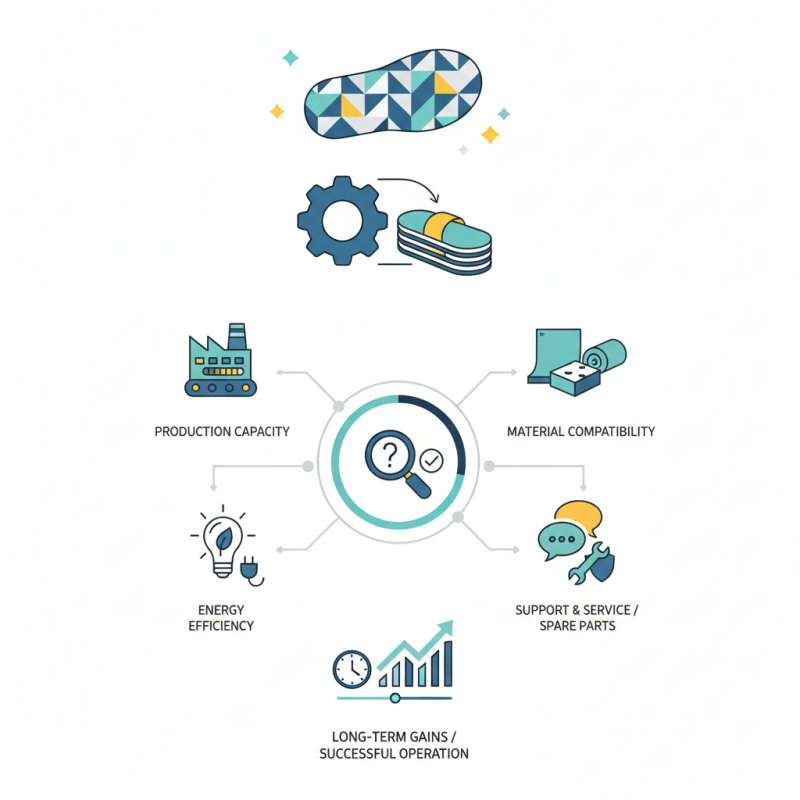
Understanding your specific needs is vital. Consider factors like production capacity, material compatibility, and energy efficiency. Researching different brands can provide insights into their reputations. Look for machines with proven track records and positive customer reviews. This information can guide you in making an informed choice.
Evaluate the support and service provided by the manufacturer. Reliable after-sales support can save time and reduce headaches. Ensure spare parts are readily available. Your investment in a Slipper Sole Sheet Making Machine should result in long-term gains. Thoughtful consideration will lead to a more productive and successful operation.
Understanding Different Types of Slipper Sole Sheet Making Machines
When selecting a slipper sole sheet making machine, understanding the types available is essential. There are primarily three categories: hydraulic, electric, and pneumatic machines. Hydraulic machines are known for their strong pressure capabilities, suitable for thicker materials. According to a 2022 industry report, over 50% of manufacturers prefer hydraulic models for their durability and efficiency.
Electric machines, on the other hand, are favored for their precision and lower energy consumption. They typically offer faster production rates and are ideal for smaller production runs. A recent market analysis revealed that the demand for electric machines has increased by 30%. This shift reflects a growing preference for efficiency in production processes.
Pneumatic machines can provide flexibility in production. They are often lighter and easier to operate. However, their performance can vary based on air pressure and maintenance. As the industry evolves, it’s crucial to weigh the advantages and challenges of each machine type. Consider your production needs and potential maintenance issues when making a choice.
How to Choose the Best Slipper Sole Sheet Making Machine?
| Machine Type | Production Speed (Sheets/Hour) | Power Consumption (kW) | Material Compatibility | Price Range (USD) |
| Automatic Slipper Sole Sheet Machine | 300 | 15 | EVA, Rubber | $20,000 - $25,000 |
| Semi-Automatic Slipper Sole Sheet Machine | 200 | 10 | EVA, PVC | $15,000 - $20,000 |
| Manual Slipper Sole Sheet Machine | 100 | 5 | EVA | $5,000 - $10,000 |
| Hydraulic Slipper Sole Sheet Machine | 250 | 12 | Rubber, PVC | $18,000 - $22,000 |
Key Features to Consider When Choosing a Slipper Sole Machine
When selecting a slipper sole sheet making machine, several key features should guide your decision. One vital aspect is the machine’s capacity. Look for a model that can handle your production volume. High efficiency in terms of speed can save valuable time. A faster machine reduces bottlenecks in the manufacturing process. Additionally, consider the machine’s user interface. A straightforward control panel can make operation smoother.
Another crucial consideration is the material compatibility. Ensure the machine suits various materials like rubber, foam, or EVA. This versatility allows you to adapt to changing market demands. Quality is paramount; select machines known for durability. A reliable machine minimizes downtime and enhances productivity.
Tips: Always review the manufacturer’s specifications. This ensures the machine can perform under your conditions. Consult industry professionals for insights on reputable machines. Seek out user reviews and feedback to learn about experiences. A well-researched decision can prevent costly mistakes down the line.
Evaluating Production Capacity and Efficiency of Machine Options
Choosing the right slipper sole sheet making machine requires a close evaluation of production capacity and efficiency. According to industry reports, an efficient machine can produce up to 1,500 pairs of slippers per day. However, it’s crucial to analyze not just the maximum output but also the machine's operational efficiency. Machines with higher energy consumption may seem faster but can inflate operational costs over time.
Efficiency can be measured through various metrics. A machine with a 90% efficiency rate will be able to utilize materials better, reducing waste. Reports suggest that minimizing waste can lead to cost savings of as much as 15%, significantly impacting overall profitability. On the flip side, machines that try to maximize output without adequate quality control often lead to higher rejection rates, which could offset any gains made through speed.
Tip: Always compare the features of different machines, focusing on energy consumption and operational efficiency. It’s essential to consider both initial costs and long-term savings.
In addition to production capacity, maintenance should not be overlooked. Machines that require frequent repairs can halt production. A reliable machine may have a higher upfront cost but will often pay off through sustained performance. Monitoring the average downtime of a machine can provide insights into its reliability and affect overall production goals.
Tip: Keep thorough records of machine performance to identify patterns and areas for improvement. Regular maintenance ensures efficiency is maintained over time.
Assessing Cost-Effectiveness and Budget for Slipper Sole Machines
When considering a slipper sole sheet making machine, cost-effectiveness is crucial. Analyze your budget carefully. Machines vary widely in price, and the cheapest option might not be the best. Look for features that align with your production needs. You may find that spending a little more upfront saves money in the long run. Reliability often correlates with price.
Consult industry experts to gain insight into what machines offer the best return on investment. They can provide valuable feedback about durability and maintenance costs. Think about the materials you will use. Some machines handle specific materials better than others. This can greatly affect both performance and cost.
Be prepared for unexpected expenses. Sometimes equipment needs upgrades or repairs earlier than anticipated. Additionally, energy consumption and operational efficiency can significantly impact your overall costs. Evaluating long-term costs is essential, even if initial numbers seem favorable. Balancing the upfront investment with potential savings is a complex task that requires careful consideration and ongoing reflection.
Exploring After-Sales Support and Maintenance Services Available
When selecting a slipper sole sheet making machine, after-sales support and maintenance services play a crucial role. You want to ensure a reliable partner for long-term operation. A responsive support team can answer technical questions quickly. This helps minimize downtime when issues arise.
Regular maintenance is essential. A machine with accessible spare parts ensures that you can perform repairs easily. Machines that require specialized tools may lead to challenges in maintenance. Establishing a relationship with your supplier for timely service is invaluable.
Tips: Look for machines with a user-friendly manual. Experienced operators can guide you through common problems. Make sure to analyze warranty options and service agreements. This could save you money in the long run. Investing in a machine with good after-sales support means you gain peace of mind. Remember, a small oversight in purchasing can lead to significant maintenance headaches later.
 +49 (0) 3722 59863-0
 sale@acutekcnc.com