10 Best Milling Machine Tools for Precision Engineering?
In the world of precision engineering, selecting the right milling machine tools is essential. These tools greatly influence the quality and accuracy of the final product. Whether you're a seasoned professional or a newcomer, understanding which tools can enhance your work is vital.
Milling machine tools come in various shapes and sizes. Each tool has unique functions catering to different materials. Some tools excel in speed, while others offer precision. Engineers often face challenges in finding the perfect balance between efficiency and accuracy. A tool that works well for one project may not be suitable for another. This variability necessitates a careful selection process.
Many professionals emphasize the importance of quality in milling tools. Poorly made tools can lead to defects and wasted materials. Investing time in researching and testing various options can lead to better outcomes. It’s crucial to reflect on past experiences to avoid repeating mistakes. Consideration of both innovative and traditional tools will enrich your toolbox. Ultimately, the best milling machine tools are those that align closely with your specific engineering needs.
Overview of Precision Engineering Milling Machines
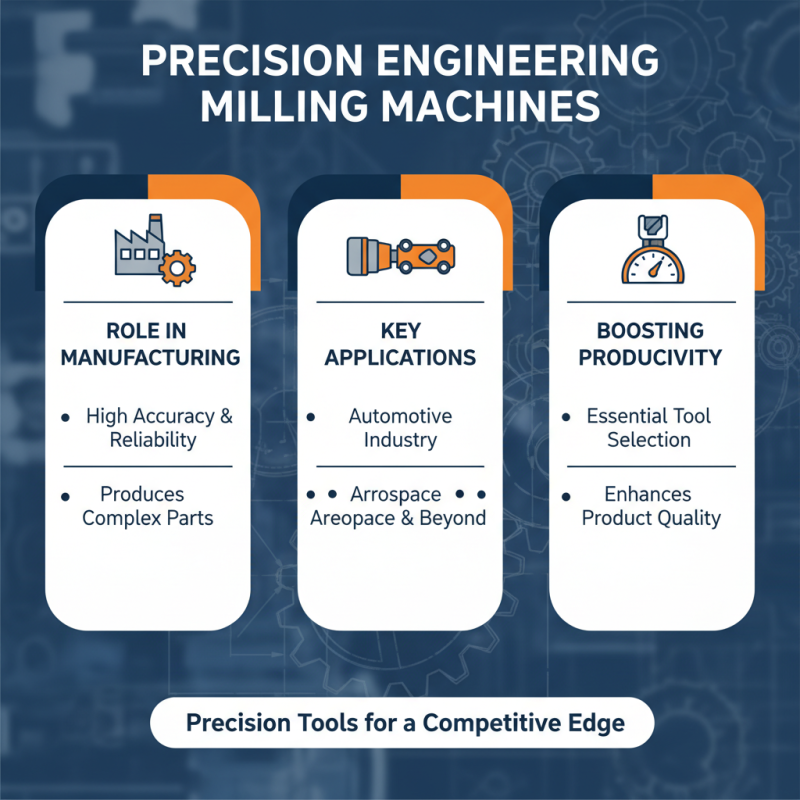
Precision engineering milling machines play a crucial role in the manufacturing sector. These machines are designed for high accuracy and reliability in producing complex parts. They are essential for various applications, from automotive to aerospace industries. Selecting the right milling tools can enhance productivity and the overall quality of the finished products.
When choosing milling machine tools, consider precision over price. Tools with tighter tolerances are often more effective in achieving desired specifications. Quality materials in tool construction can significantly impact performance and longevity. Ensure that your milling machine is compatible with these tools to maximize efficiency. Regular maintenance is also key; it can prevent costly downtime and potential errors.
Tips: Always calibrate your equipment before usage. A well-calibrated machine leads to more accurate results. Utilize high-speed steel or carbide tools for better durability. Regularly inspect and replace worn tools to maintain operational effectiveness. Remember, continuous education and training on new techniques can significantly enhance your engineering skills.
Key Features to Look for in Milling Machine Tools
When selecting milling machine tools, several key features stand out for precision engineering.
First, consider the rigidity of the machine. A rigid setup ensures stability during operation, reducing vibrations.
This leads to enhanced accuracy and a smoother finish. Additionally, a good milling machine should offer a range of spindle speeds.
Varying speeds enable versatility for different materials and techniques.
Tool holders are another critical aspect. They must securely grip cutting tools to prevent slippage.
Precision tool holders can significantly impact the quality of the final product.
Moreover, the ability to easily adjust the tool height is essential for achieving precise cuts.
Flexibility in programming options is also important.
Modern milling machines often feature user-friendly interfaces that enhance ease of use.
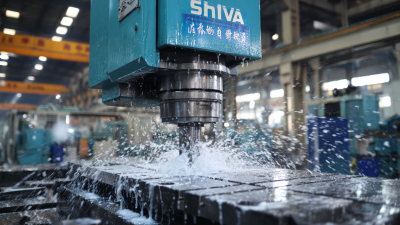
A less noticeable feature is the machine’s coolant system. Proper cooling can prevent overheating, maintaining the integrity of both the tool and the workpiece.
Attention to maintenance needs is vital as well. A machine requiring frequent upkeep may hinder productivity.
Balancing these factors is crucial for achieving optimal results in precision engineering.
Each decision affects overall performance and quality, making it essential to choose wisely.
Top 10 Milling Machine Tools for Precision Engineering
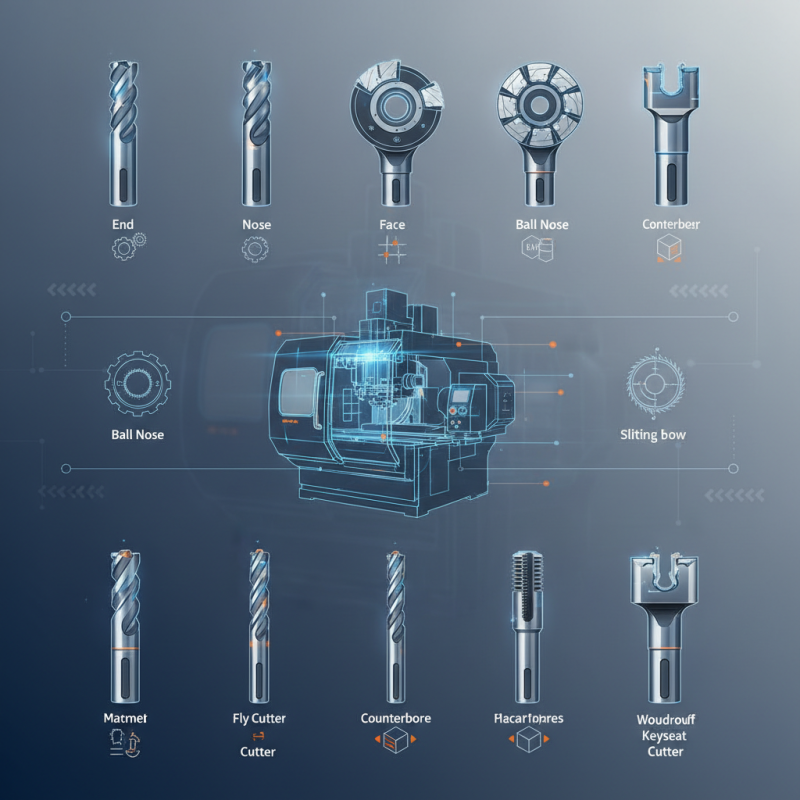
When it comes to precision engineering, choosing the right milling machine tools is crucial. High-quality tools enhance both the accuracy and efficiency of machining processes. Understanding the various types of milling tools can significantly impact the final product. Key options include end mills, face mills, and slab mills. Each serves unique purposes, offering a variety of cutting edges for different applications.
Precision becomes paramount when working with intricate designs. Not all tools perform the same under various conditions. For example, a tool might excel at cutting softer materials but struggle with harder metals. It's essential to test tools for specific projects. Sometimes, manufacturers fail to meet claimed tolerances. This can lead engineers to rethink their choices.
Quality also relies on proper maintenance. Dirty or worn tools affect performance and outcome. Regular inspection helps identify problems early. Engineers must prioritize routine checks and replacements. Investing time in tool management can lead to better machining results over time. Through careful selection and consistent maintenance, precision engineering can achieve its intended goals effectively.
10 Best Milling Machine Tools for Precision Engineering
| Tool Name |
Type |
Material Compatibility |
Max RPM |
Price Range |
| Vertical Milling Machine |
Vertical |
Metal, Plastic |
2000 RPM |
$2,000 - $4,000 |
| CNC Milling Machine |
CNC |
Metal, Wood |
4000 RPM |
$10,000 - $20,000 |
| Bed Type Milling Machine |
Bed Type |
Metal |
3000 RPM |
$5,000 - $10,000 |
| Horizontal Milling Machine |
Horizontal |
Metal, Plastics |
2500 RPM |
$3,000 - $7,000 |
| Mini Milling Machine |
Mini |
Wood, Plastic |
2800 RPM |
$300 - $600 |
| Universal Milling Machine |
Universal |
Metal, Composites |
3600 RPM |
$4,000 - $8,000 |
| CNC Router |
CNC |
Wood, Plastic |
6000 RPM |
$5,000 - $15,000 |
| Tapping Machine |
Tapping |
Metal |
1800 RPM |
$1,000 - $2,500 |
| Milling and Drilling Machine |
Combo |
Wood, Metal |
2200 RPM |
$800 - $1,500 |
| Machining Center |
Machining |
Metal |
5000 RPM |
$15,000 - $30,000 |
Comparison of Milling Machine Tool Brands and Models
In the world of precision engineering, selecting the right milling machine tools is crucial. A recent industry report highlighted that nearly 70% of engineering projects fail due to inadequate tool performance. Thus, understanding the different brands and models is essential for achieving high-quality results.
When comparing brands, consider factors such as accuracy, durability, and user-friendliness. A leading industry analysis revealed that tools with advanced CNC capabilities demonstrate 25% higher precision than traditional models. Users often report that certain brands have a steeper learning curve, which can delay project timelines. However, investing in well-engineered tools can significantly reduce errors.
It's also important to evaluate after-sales support. Some brands excel in providing extensive documentation and training resources, while others fall short. A survey of mechanics found that 40% of users prioritize reliable customer service over technical specifications. This disparity in support can affect long-term performance and satisfaction with milling machines. Ultimately, the right choice must balance performance, ease of use, and ongoing support.
Maintenance Tips for Prolonging the Life of Milling Machine Tools
Maintaining milling machine tools is crucial for precision engineering. Regular maintenance can extend tool life and improve performance. Clean tools after each use. Debris and chips can cause wear and tear. Use a soft brush or compressed air to remove particles. This simple act can significantly reduce damage.
Check the calibration of your machine frequently. Misalignment can lead to inaccurate cuts and tool wear. Regularly inspect tool holders and collets. Look for signs of damage or excessive wear. Replacing worn parts promptly helps maintain precision. Keep a maintenance log; it aids in tracking issues over time.
Lubrication is key. Use the recommended lubricant for your tools. Properly lubricated machines operate smoother and reduce friction. However, avoid over-lubricating, as this can attract more dust and debris. Consider environmental conditions too. Humidity and temperature can affect tools. Store them in a dry and cool place. Even with routine care, tools may still degrade. Reflect on your processes and identify areas for improvement over time.
10 Best Milling Machine Tools for Precision Engineering
This chart illustrates the precision ratings of various milling machine tools, providing insights into their performance capabilities. The ratings reflect the effectiveness of each tool in precision engineering applications.
 +49 (0) 3722 59863-0
 sale@acutekcnc.com