The Best Hex Flange Bolt Types for Reliable Fastening Solutions?
When it comes to fastening solutions, hex flange bolts are a critical component in various industries. John Smith, a renowned expert in fastening technologies, once noted, “Using the right hex flange bolt can make all the difference in industrial applications.” His insight underscores the importance of selecting suitable bolt types for ensuring reliability and performance.
hex flange bolts combine a hexagonal head with a flange underneath. This design enhances load-bearing capabilities. Their unique structure helps distribute pressure evenly. Consequently, they prevent loosening, making them suitable for high-vibration environments. Yet, an improper choice of bolt material can lead to failure. This is often overlooked in projects.
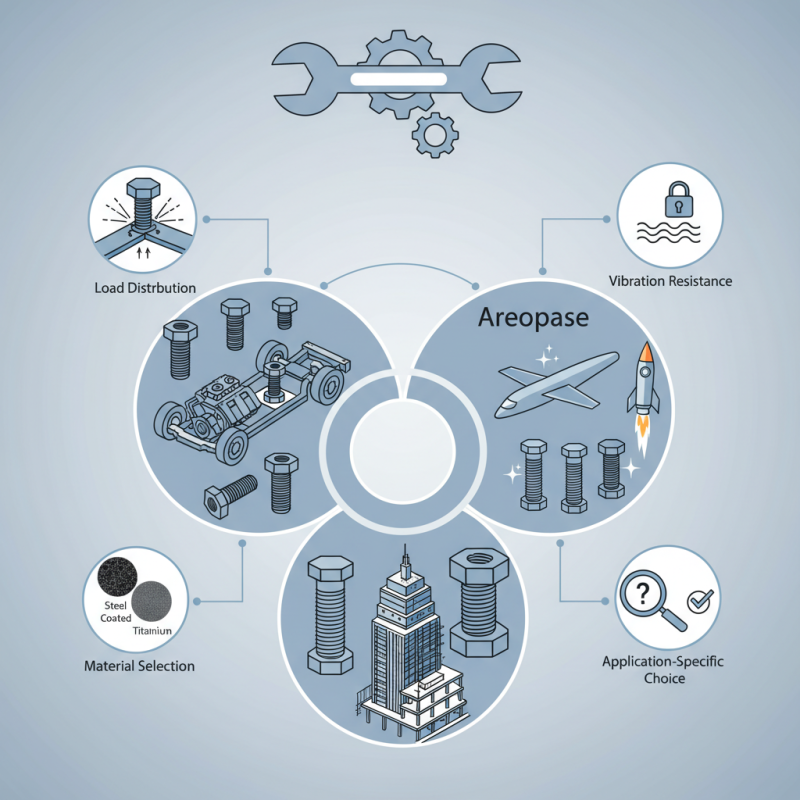
In high-stakes situations, the right hex flange bolt can mean success or failure. Construction, automotive, and aerospace sectors heavily rely on these fasteners. Every industry has its specific needs, and sometimes, a one-size-fits-all approach doesn't work. It’s essential to consider the environment and application when selecting bolts. Even experts can fall short in this area, highlighting the need for ongoing evaluation and improvement in fastening practices.
Understanding Hex Flange Bolts: Definition and Features
Hex flange bolts are essential components in many industrial applications. These bolts feature a wide flange that acts as a built-in washer. This design distributes the load over a larger area, reducing the risk of material damage. Their unique shape allows for greater stability, making them reliable for fastening purposes. Users appreciate the ease of installation, even in tight spaces.
Understanding the composition of hex flange bolts is vital. They are typically made of high-strength steel or stainless steel. Coating options like zinc plating enhance corrosion resistance. These features make them suitable for various environments, including outdoor settings. The hex head allows for easy tightening with standard tools. However, improper installation can lead to issues. Over-tightening may strip the threads or warp components. It’s crucial to follow specific torque settings according to guidelines.
When choosing the right type, consider the application. Factors like load requirements and environmental conditions play a vital role. Some users might overlook these details, leading to performance failures. Reliable fastening hinges on selecting appropriate hardware. Adapting to evolving standards in engineering is essential. It’s always good to assess your needs before making a decision.
Types of Hex Flange Bolts Available in the Market
Hex flange bolts are essential components in various fastening applications. Their design features a built-in flange that acts as a washer, providing greater load distribution. This helps prevent loosening over time. Many different types of hex flange bolts are available on the market today.
One common type is the serrated flange bolt. Its serrated edges help grip the material, reducing the risk of slippage. These bolts are ideal for dynamic loads, which can shift under pressure. Alternatively, non-serrated flange bolts are better suited for applications requiring a smoother surface. Knowing which type to use is crucial.
Material selection also varies. Steel, stainless steel, and even plastic are available. Steel offers strength, while stainless steel provides corrosion resistance. However, selecting the right material requires understanding the environment. Each option brings unique benefits and drawbacks worth considering for optimal performance.
Applications of Hex Flange Bolts in Various Industries
Hex flange bolts are essential components in various industries, providing robust fastening solutions. Their unique design combines a hexagonal head with a flange, distributing load over a larger surface area. This design proves advantageous in applications requiring vibration resistance and secure fastening. According to a report by the Industrial Fasteners Institute, nearly 30% of fastening failures are attributed to inadequate bolt selection, underscoring the importance of choosing the right type.
In the automotive industry, hex flange bolts are widely used in assembly lines for mounting engines and chassis components. Their reliability under high-stress conditions ensures safety and performance. A survey from the American Society of Mechanical Engineers indicates that using hex flange bolts can reduce assembly time by up to 20%, demonstrating their efficiency in manufacturing. The construction sector also benefits from hex flange bolts due to their capacity to endure heavy loads, making them suitable for structural applications. However, challenges arise when these bolts are exposed to corrosive environments, demanding careful material selection.
Hex flange bolts serve multifaceted roles in different sectors, from marine applications to electronics. The versatility is commendable, yet improper installation can lead to critical failures. Research shows that an estimated 15% of installed hex flange bolts exhibit issues like over-torquing or misalignment. Regular training and inspection can mitigate such risks, ensuring both safety and performance standards are upheld.
The Best Hex Flange Bolt Types for Reliable Fastening Solutions
| Bolt Type | Material | Coating | Strength Rating | Applications |
| Hex Flange Bolt | Carbon Steel | Zinc-Plated | Grade 5 | Automotive, Construction |
| Serrated Flange Bolt | Stainless Steel | Black Oxide | Grade 8 | Aerospace, Marine |
| Flange Bolt with Washer | Alloy Steel | Galvanized | Grade 10.9 | Heavy Machinery, Oil & Gas |
| Locking Flange Bolt | High-Strength Steel | None | Specialty | Construction, Robotics |
| Tapered Flange Bolt | Brass | None | Not Rated | Electronics, Furniture |
Advantages of Using Hex Flange Bolts for Fastening Solutions
Hex flange bolts stand out for their reliability in various fastening applications. Their unique design features a wider flange that acts as a built-in washer. This design reduces the risk of loosening over time. The flange distributes the load more evenly, minimizing the chance of damage to the material. Many industries rely on these bolts for durability and stability.
One essential advantage of hex flange bolts is their resistance to vibration. Regular bolts may loosen due to vibrations over time. However, the flange’s increased surface area provides better grip and stability. Using these bolts can lead to fewer maintenance checks, saving time and resources. The ease of installation is another practical benefit, as they can be driven quickly with standard tools.
Despite their many advantages, hex flange bolts are not flawless. The installation process requires attention to detail. Over-tightening can lead to stripping. This potential for human error reminds users to practice care during installation. Additionally, the choice of material affects overall performance. Selecting the wrong material can lead to premature failure. Thus, understanding specific needs is crucial when choosing hex flange bolts.
Choosing the Right Hex Flange Bolt for Your Project Needs
When selecting the right hex flange bolt for your project, understanding its application is crucial. These bolts serve as a reliable fastening solution, primarily used in automotive and construction industries. Their design minimizes the risk of loosening, making them ideal for high-vibration environments. They feature a wide flange that distributes the load, preventing damage to the surface. Make sure to consider the material, as this influences strength and corrosion resistance.
Determining the appropriate size and strength grade is vital. Hex flange bolts come in various sizes, suitable for different tasks. For lighter applications, a medium-strength bolt may suffice. For more demanding situations, opt for high-strength varieties. Paying close attention to these specifications can prevent future issues, such as bolts breaking under stress. Reviewing your project requirements is essential to avoid potential setbacks.
Some challenges arise when choosing the right bolt. Projects sometimes require adjustments, which can lead to miscalculations. It's beneficial to consult with professionals or utilize tools that help determine bolt specifications. Reliability is key, and a well-chosen bolt can significantly impact the durability of your project. Therefore, always prioritize quality and suitability over availability.
The Best Hex Flange Bolt Types for Reliable Fastening Solutions
 +49 (0) 3722 59863-0
 sale@acutekcnc.com