Top 10 Best Geomembrane Welding Machines for Your Projects?
geomembrane welding machines play a crucial role in various construction and environmental projects. These machines are essential for creating impermeable barriers, primarily used in landfill, mining, and water containment applications. The global geomembrane market is projected to reach $4.5 billion by 2026, reflecting a compound annual growth rate (CAGR) of over 10%. This growth emphasizes the importance of utilizing effective welding technology.
Selecting the right geomembrane welding machine is vital for ensuring project success. The efficiency, durability, and quality of welds can significantly impact project timelines and costs. According to recent industry reports, improper welding can lead to leaks and contamination, costing businesses millions. Stakeholders must invest in reliable machines that deliver consistent results.
Many machines available today come with advanced features, but not all meet the required standards. Additionally, some machines may have a steep learning curve, affecting productivity during initial usage. It is essential for project managers to conduct thorough research and consider user feedback to make informed choices. By doing so, they can ensure the long-term success of their geomembrane projects.
Overview of Geomembrane Welding Machines
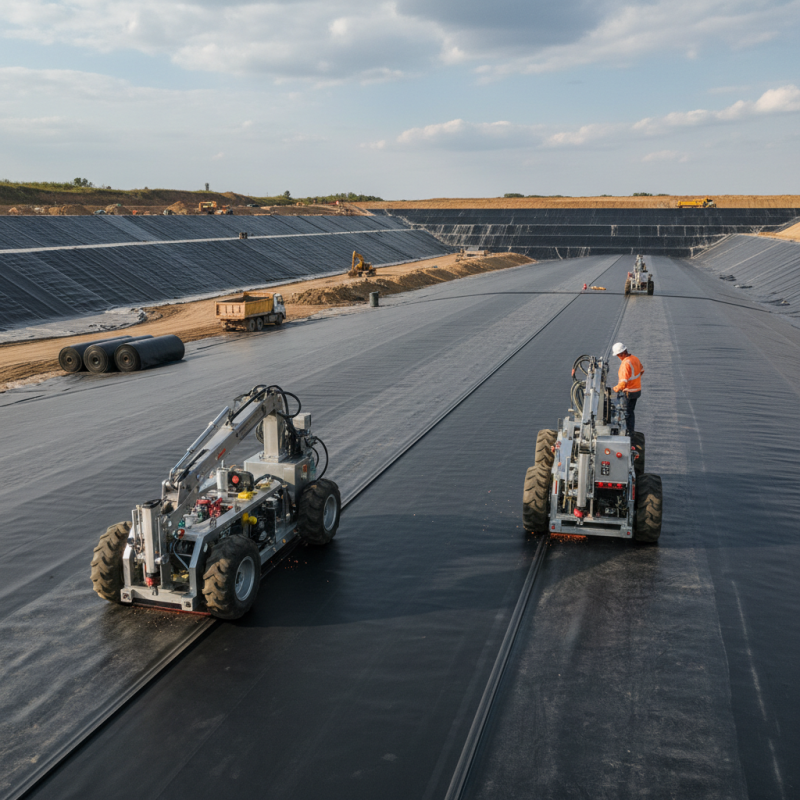
Geomembrane welding machines are essential for many projects involving waterproof liners or barriers. These machines are used in various applications, such as landfills, ponds, and reservoirs. They ensure that geomembranes are properly sealed, providing long-lasting durability and effectiveness. Understanding the features of these machines is crucial for making the right choice.
Tips: When selecting a welding machine, consider the thickness of the geomembrane. Different machines are suited for different material thicknesses. Make sure your equipment can handle the specific requirements of your project.
Welding quality is vital. Poor welds can lead to leaks and project failures. It’s important to conduct regular maintenance on your welding machine. Check the heating elements and ensure they are functioning well.
Tips: Always practice your welding technique. Perfecting the method before starting on actual projects can save time and materials. Analyze previous projects for areas of improvement. Collect feedback to enhance your skills.
Key Features to Consider in Geomembrane Welding Machines
When selecting a geomembrane welding machine, several key features are essential. The welding width is critical. Machines with adjustable welding widths offer flexibility for various projects. A width range between 8 to 45 mm is common and useful for different applications.
Another important aspect is the heating method. Hot-air welding machines provide quick results. However, they require skill to prevent damage to the membrane. Conversely, wedge welders are more forgiving but may be slower. Consider your team’s experience before making a choice.
Temperature control is also crucial. Machines that allow precise temperature adjustments can enhance weld quality. Operators should monitor temperatures closely during use. Durability is a factor too. Look for machines built with sturdy materials. This can lead to longer-lasting performance, even under tough conditions. Each project may highlight different needs, nudging you to reflect on what features matter most for your tasks.
Top 10 Best Geomembrane Welding Machines
Top 10 Geomembrane Welding Machines for Various Applications
When selecting geomembrane welding machines, consider their applications. Different projects require specific features. A portable machine is ideal for small site projects. It provides flexibility and ease of use. For larger, more complex jobs, a robust, stationary unit may be necessary.
Quality is crucial in geomembrane welding. A machine should offer consistent performance across various terrains. Look for options that can handle different temperatures and materials. Some machines might struggle with thick membranes. This can lead to weak seams and potential leaks.
Maintenance is another point to reflect upon. Regular checks can prevent breakdowns. However, not everyone prioritizes this. A neglected machine can cause delays and added costs. Investing in a reliable welding machine is key. Ensure it meets the demands of your specific projects to achieve success.
Comparison of Performance and Durability Among Leading Models
Choosing the right geomembrane welding machine is crucial for project success. Performance and durability are key factors. A recent industry report indicates that machines with higher operating temperatures enhance melt quality. Machines exceeding 500°F produce better seams. However, not all models maintain consistency at this level.
Durability varies widely among models. A survey revealed that nearly 30% of machines fail within the first year, especially those with plastic components. Metal parts tend to outperform, offering longer service life. Some users reported frequent overheating issues, affecting productivity. Many machines struggle to maintain pressure during continuous operation. Operators often find themselves adjusting settings frequently.
Another aspect to consider is weight. Heavier machines provide stability but can be cumbersome. Some users noted difficulties in maneuverability on challenging terrain. While lighter machines are convenient, they might compromise seam integrity. An ideal machine should strike a balance, ensuring ease of use without sacrificing performance. Potential buyers should evaluate their specific project needs carefully. Investing in a well-reviewed model that matches project requirements can mitigate future issues.
Tips for Maintaining and Operating Geomembrane Welding Machines
Maintaining geomembrane welding machines is crucial for achieving high-quality welds. Regular checks on temperature settings can make a difference. Ensure that the machine reaches the required temperature before starting any project. Overheating can damage materials, while insufficient heat may lead to weak seams. A digital display can help monitor temperatures accurately.
Cleaning the welding area is often overlooked. Dirt, debris, and moisture can compromise weld integrity. Wipe down surfaces regularly. Use a soft cloth and appropriate cleaning agents. Avoid abrasive tools that might scratch important components. Periodically inspect the welding nozzle for blockages or wear. A clogged nozzle can affect the flow of material and harm the final weld.
Practicing safety is essential when operating these machines. Always wear protective gear, such as gloves and goggles. Accidents can happen if proper precautions aren’t taken. It’s worth considering the ergonomic setup of the workspace. An awkward position can lead to discomfort or injury over time. Reflecting on your workflow may reveal areas for improvement.
Top 10 Best Geomembrane Welding Machines for Your Projects
| Model | Welding Type | Welding Speed (m/min) | Wattage (W) | Weight (kg) | Price Range ($) |
| Model A | Hot Air | 8 | 2000 | 15 | 1500 - 2000 |
| Model B | Extrusion | 6 | 2500 | 20 | 2000 - 2500 |
| Model C | Hot Air | 7 | 1800 | 12 | 1000 - 1500 |
| Model D | Extrusion | 5 | 3000 | 25 | 2500 - 3000 |
| Model E | Hot Air | 9 | 2200 | 14 | 1800 - 2300 |
| Model F | Extrusion | 4 | 1600 | 30 | 1200 - 1700 |
| Model G | Hot Air | 8.5 | 2100 | 19 | 1600 - 2100 |
| Model H | Extrusion | 6.5 | 2800 | 22 | 2200 - 2700 |
| Model I | Hot Air | 10 | 2300 | 18 | 1900 - 2400 |
| Model J | Extrusion | 5.5 | 2500 | 27 | 2100 - 2600 |
 +49 (0) 3722 59863-0
 sale@acutekcnc.com